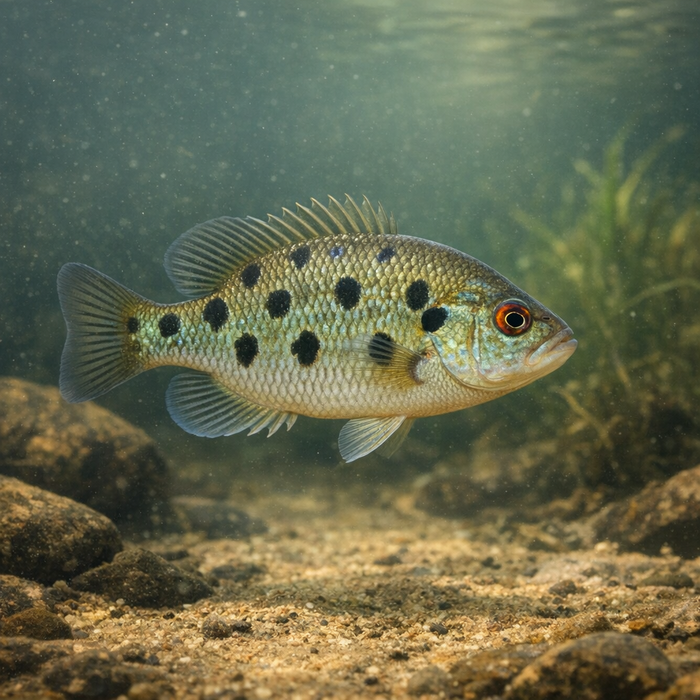
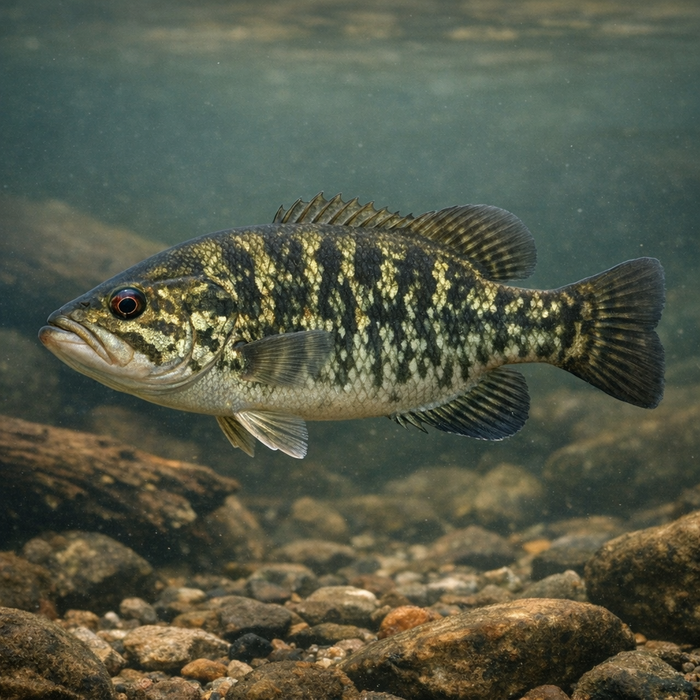
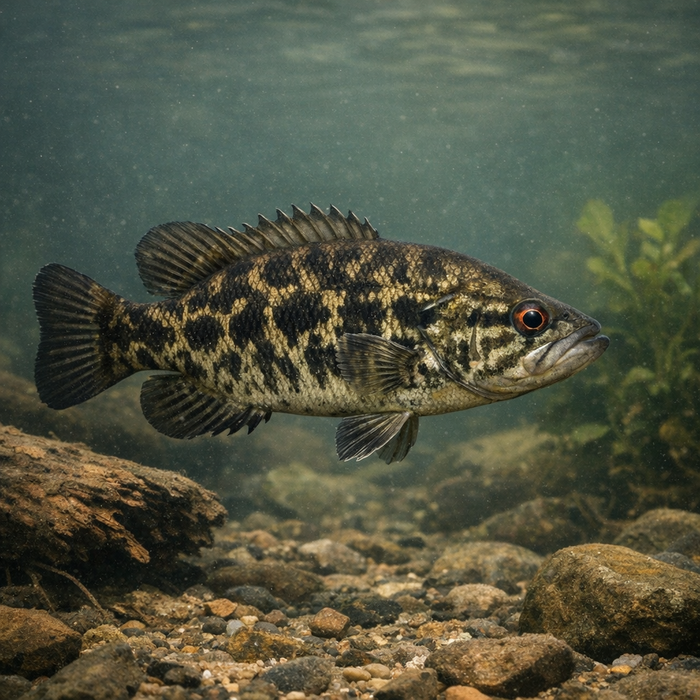
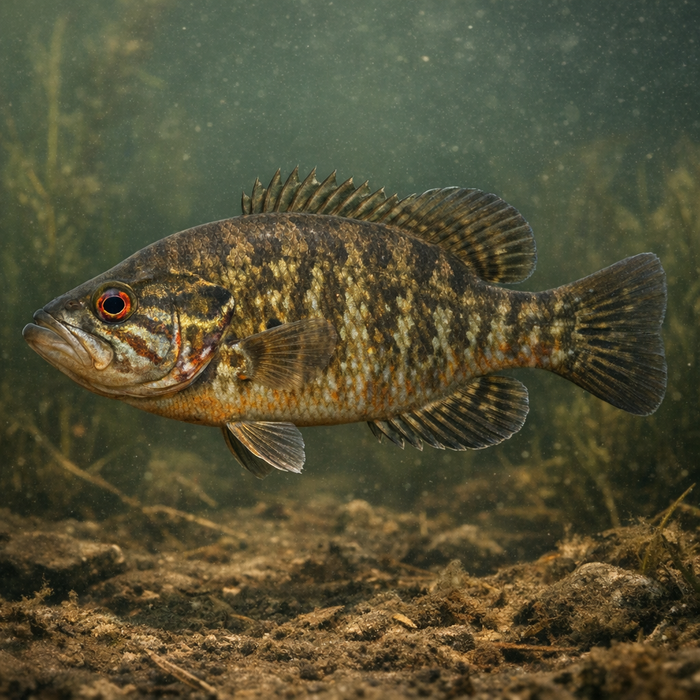
Ozark bass (ambloplites constellatus): Small Fish, Big Attitude In Blueprint-Clear Water Introduction The Ozark bass is proof that size and swagger rarely travel together. In those gin-clear Ozark creeks, this compact bruiser punches far above its weight, smacking craw imitations and guarding gravel like it owns the watershed. If you want a fish that rewards stealth, accuracy, and pocket-water reading, the Ozark bass delivers. Consider this your tight, practical guide to Ozark bass facts and the on-the-water decisions that actually matter. What Makes the Ozark bass Unique? First, the look. That constellatus name wasnt tossed in a hat. Pale, starry spots light the flanks like a mini galaxy, especially in good sunlight. Add red eyes and a thick, rock-bass build and youve got instant ID. Second, theyre structure junkies. Ozark bass live for boulders, ledges, root tangles, and undercut banks, preferring ambush lanes where current softens. Third, theyre feisty and honest. Present the right craw or minnow profile in the right seam and youll get the thump. Habitat & Global Range Theres nothing global about this fish. The Ozark bass is tightly tied to the Ozark Highlands of Missouri and Arkansas, with the clearest calling cards in spring-fed rivers and creeks. Think limestone, karst springs, emerald pools, and gravel riffles. It also inhabits reservoirs and lake coves attached to those systems, but the vibe is the same: clear water, rocky structure, and clean flow. If youre searching Ozark bass habitat, aim for pool heads, eddies beside car-sized rocks, and the downstream lips of riffles. They like flow, but not punishment; they sit just off the main jet where food funnels and effort is minimal. Behavior & Temperament Ozark bass are ambush predators with a homebody streak. Many fish haunt the same boulder or seam day after day, shifting a few yards as water levels and light change. They feed most confidently in low light and during light bumps in flow. Despite their bottom-hugging reputation, theyll rise and crack a tiny popper at dusk. Spawning happens in late spring into early summer. Males sweep gravel to make shallow nests in protected pockets, then fan and babysit the clutch like grumpy landlords. Post-spawn fish slide back into the first current breaks and quickly resume their love affair with crayfish. Ecological Importance Inside those postcard creeks, the Ozark bass helps balance the middle of the food web. It pressures young crayfish and large aquatic insects, keeping numbers from spiking, while serving as prey for larger bass, walleye, and piscivorous birds. Its need for cold, clear, well-oxygenated water also makes it a living report card for stream health. Where Ozark bass thrive, you typically find clean gravel, intact riparian cover, and steady, spring-fed flow. Conservation & Environmental Pressures The Ozark bass benefits from plenty of public land, scenic river protections, and a strong conservation culture in the Ozarks. But its not bulletproof. Siltation from poorly managed roads and development buries gravel and smothers nests. Warm, low summer flows shrink habitat and force fish into fewer refuge holes. Invasive species and bait-bucket transplants complicate community dynamics. The good news: this fish is resilient when water quality stays high. Keep banks vegetated, keep gravel clean, keep cold water flowing, and the Ozark bass does the rest. The FishyAF Take If trout-heads are poets and bass-heads are rock guitarists, Ozark bass are the drummers holding the pocket. They keep the beat in every bouldery pool and reward anyone who reads current better than they cast distance. Bring ultralight gear or a 3-weight, stalk quietly, and drop a little craw where the riffle dies and the green begins. Hit edges, then tighten the circle. When the thump happens, its decisive. The Ozark bass doesnt ask for much, just clear water, clean rocks, and a halfway convincing craw. Give it that, and youll wonder why you ever overthought creek fishing.