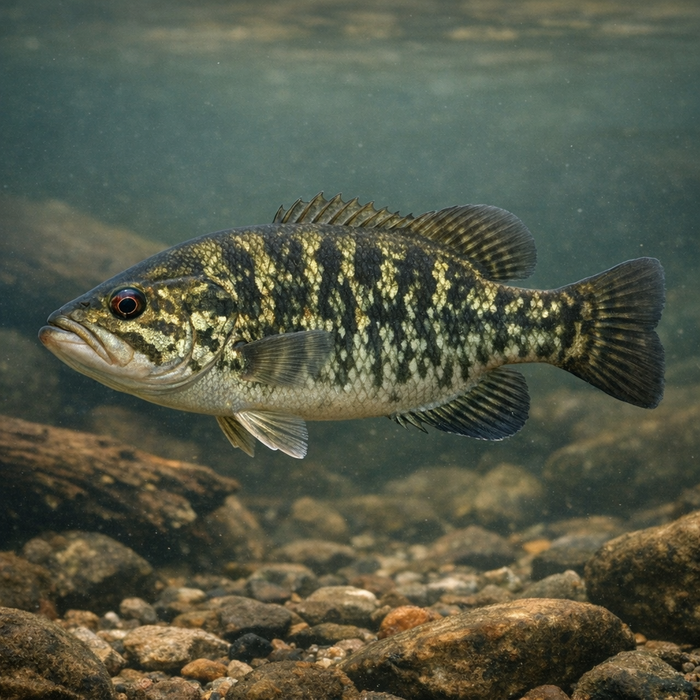
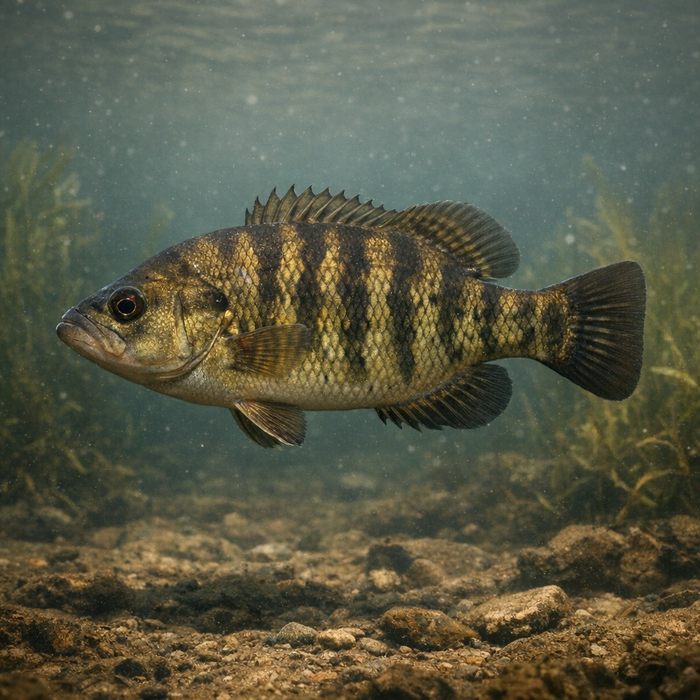
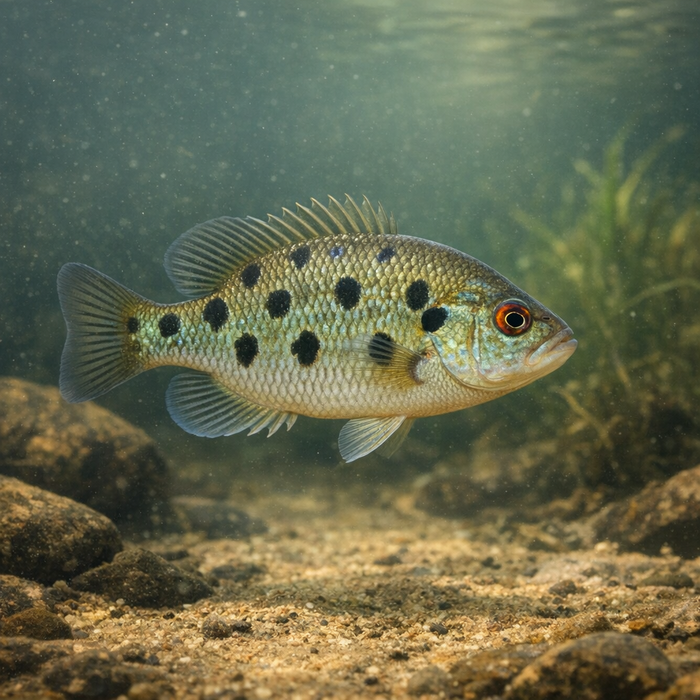
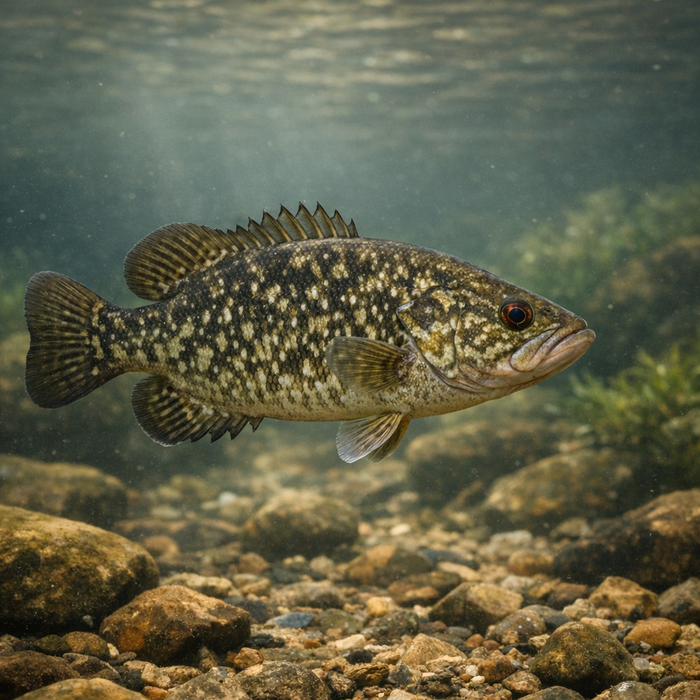
Shadow bass (ambloplites ariommus): The streamside brawler hiding in the dark Introduction Shadow bass are the creeks undercover enforcers. They dont cruise flats like largemouth or school like shad-chasers. They lurk. Put a root wad, a shade line, and a trickle of current together and this fish will turn the spot into an ambush point youll swear is haunted. Light line, short casts, and no room for mistakes. If youre tired of casting at empty water, the shadow bass is your reminder that the fish are there, just under your nose. What Makes the Shadow bass Unique? Start with the body plan: deep, compact, and muscular, a sunfish built like a rock bass but meaner around cover. The mouth is big for a panfish, perfectly sized to hoover small minnows and baby crayfish. And unlike open-water browsers, shadow bass live by angles. They love the seam where slow meets fast, sun meets shade, and wood meets rock. The strike is sudden, short, and authoritative, which is why anglers who figure them out get hooked just as hard. If you wanted quick-hit Shadow bass facts, heres the headliner: this fish rewards precision more than patience. Habitat & Global Range Think clear to tea-stained streams and small rivers across parts of the Southeast and nearby drainages, plus select ponds and backwaters connected to those systems. Add moderate current, a gravel or sand bottom with scattered chunk rock, and lots of wood. Thats classic Shadow bass habitat. You wont often see them roaming open water; they stick to cover and edges. In slower, tannic creeks, theyll tuck into cypress knees or lay under sweeping root mats. In brighter Ozark-style streams, they post up in undercut banks and boulder pockets. The common thread is shade and structure with an escape route. Behavior & Temperament The name fits. Theyre ambush predators that key on micro-positioning. Move your bait six inches too far from the log and you might as well be in a different zip code. They feed confidently in low light, cloud cover, and immediately ahead of storms. Spawning pulls males shallow to fan saucer nests over clean patches of gravel near current breaks; they guard eggs and fry like caffeinated bouncers. Most days, the fish are homebodies, rotating between a prime lie and the closest buffet line where small fish and invertebrates drift past. Theyre not marathon fighters, but in tight cover the first three seconds are chaos: hard thump, two angry head shakes, and a beeline back into the sticks. Ecological Importance Shadow bass play the middleweight role in creek food webs. They keep crayfish and small-fish populations honest, while everything bigger and toothier keeps them humble. In clear streams, their preference for structure concentrates predation around logjams and boulders, which shapes how forage species use the habitat. Their nesting behavior also sweeps and cleans small gravel patches, lightly aerating substrate that benefits more than just their own fry. Conservation & Environmental Pressures Overall, the species is doing fine where water stays clear, cool to warm, and cluttered with natural cover. The problems show up fast when silt loads spike, banks erode, or stormwater turns creeks into chocolate milk for weeks. Yank the wood out of a stream or over-stabilize the banks and you erase a lot of prime housing. Overharvest isnt usually the issue; habitat degradation is. While broad conservation status skews comfortable, local pockets can slide if sediment, low dissolved oxygen, or summer heat push the system too hard. The FishyAF Take The shadow bass is panfish with attitude, a target that punishes sloppy casts and rewards anyone who can thread a 1/16-ounce jig into a teacup-sized hole. If youre chasing numbers, look elsewhere. If you want short-range violence in beautiful water, this is your jam. Tight to wood, down in the shade, with a drift or twitch that looks inevitable. Keep it simple: small minnow or crayfish profile, light line, and casts that flirt with disaster. Stick to these and youll collect your own Shadow bass facts the fun wayone thump at a time.