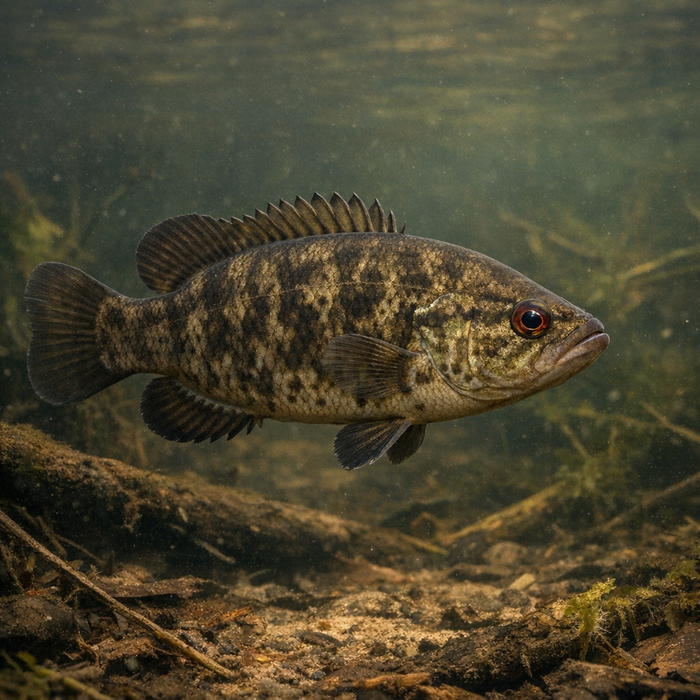
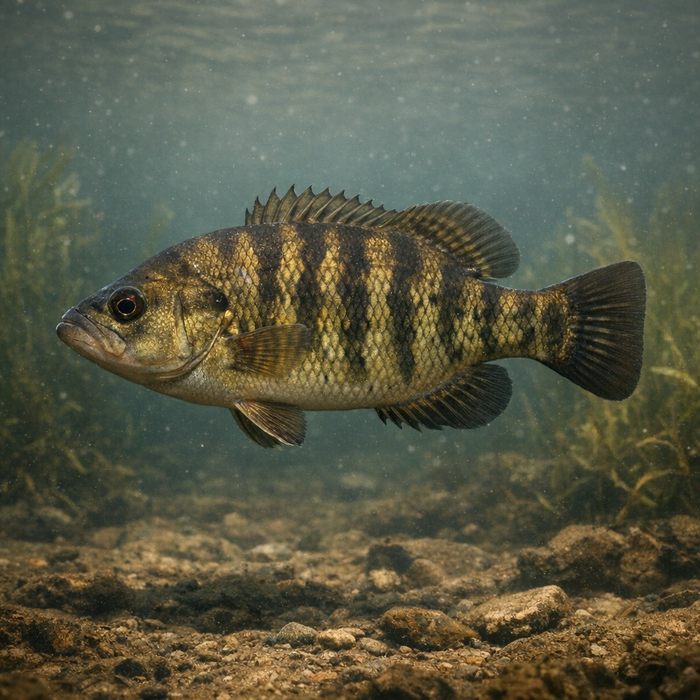
Warmouth (Lepomis gulosus): A Bold, Memorable Hook LineIntroductionThe warmouth is the swamp brawler of the sunfish clan: thick-shouldered, red-eyed, and absolutely fearless around cover. If bluegill are polite dinner guests, the warmouth is the cousin who rips the screen door off its hinges, then asks for seconds. For anglers prowling weedy ponds, cypress swamps, and backwater sloughs, this fish is a dependable hit-compact, aggressive, and surprisingly tough. Consider this your quick hit of Warmouth facts without the textbook yawns.What Makes the Warmouth Unique?First, that mouth. For a panfish, it's big, bassy, and built to vacuum anything careless near a stump. Second, the look: reddish eyes and dark, radiating cheek streaks make it appear permanently camouflaged. Third, the attitude. The warmouth doesn't spook easily in ugly water. It's a pocket predator that thrives where other sunfish gasp-muddy, hot, low-oxygen tangles that chew up finesse tackle and patience. If you're targeting mixed panfish and get smacked by something that bulldogs straight back into wood, odds are your warmouth has arrived.Habitat & Global RangeWhile the species shows up in parts of the Midwest and into some Great Lakes drainages, the warmouth's heartland is the Southeast and Gulf states. Think swamps, oxbows, beaver lodges, cypress knees, and rank vegetation. They also handle lightly brackish bayous better than most sunfish. The ideal Warmouth habitat is shallow and cluttered, with ambush points every few feet. They rarely roam far; instead, they set up shop in tight pockets where shade, wood, and food converge.Behavior & TemperamentWarmouth are ambush hunters, quick to strike and quick to retreat to cover. They love edges: the shady side of a stump, the undercut of a log, the slot between lily pad clumps. Bites often feel decisive, sometimes violent for a fish this size. They can be caught all day, but low-light feeding windows are special. During the spawn, males excavate small dish-shaped nests-often wedged into root tangles-and fiercely guard them. In warm climates, they may spawn multiple times per season. They don't school tightly like shad; instead, you'll pick them off one or two at a time from high-percentage spots.Ecological ImportanceDespite their brawler vibe, warmouth are key mid-level predators. They regulate insect larvae, crayfish, and small fish, converting swamp biomass into compact packets of sport for anglers and meals for larger predators. Their tolerance for heat and turbidity helps them persist when droughts shrink waterways, and they often recolonize marginal waters quickly. Hybridization with other sunfish, especially bluegill and green sunfish, can occur, adding genetic complexity to panfish communities and occasionally confusing anglers and record keepers alike.Conservation & Environmental PressuresClassified as Least Concern, the warmouth isn't on red-alert lists. Still, it is a creature of edges that lives where human impacts slam hardest: sedimentation, nutrient overloads, pesticide runoff, and shoreline clearing. While it tolerates rough conditions, there's a limit. Remove wood and vegetation, straighten a creek, or hammer a swamp with constant pressure, and even warmouth numbers can fade. Smart water management and leaving woody cover intact go a long way.The FishyAF TakeIf you like tight casts and instant answers, the warmouth is your fish. Skip the dissertations and throw something edible into gnarly cover. It's not a trophy-chasing species so much as a skill-polisher: reading shade lines, landing baits in tea-cup pockets, and wrestling fish out before they pinwheel the hook in wood. For anglers introducing kids or scratching that after-work itch, warmouth are confidence builders with just enough grit. And for the panfish aficionado, they're the swamp's little gladiators-short, mean, and more fun than they're given credit for. That's the Warmouth habitat play: ugly water, beautiful action.