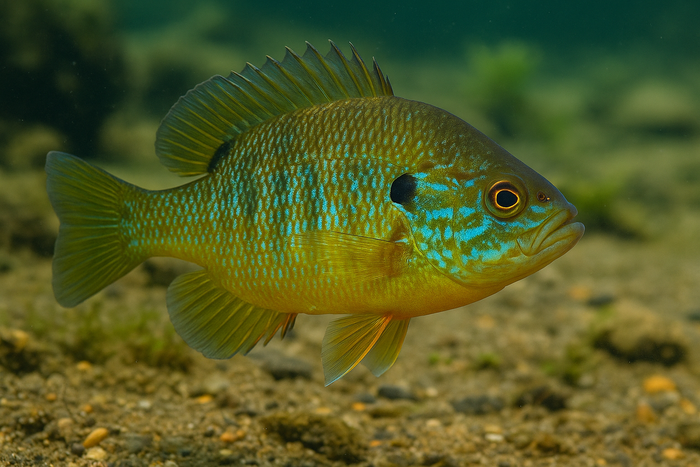
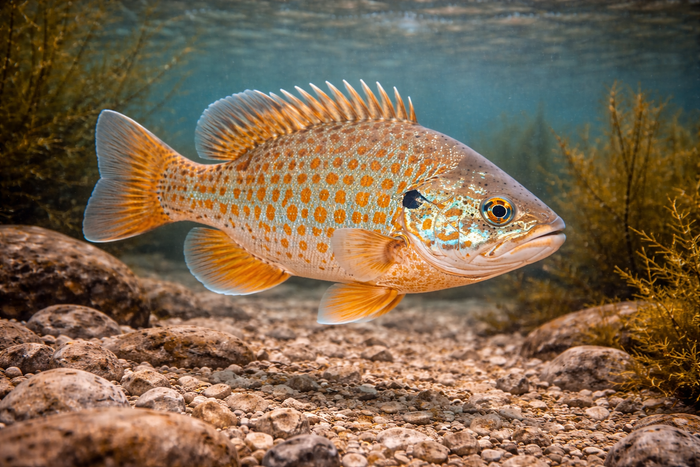
Longear Sunfish (Lepomis megalotis): The Vibrant Little Fighter with Ears You Can’t Miss
The Longear Sunfish is not your average pond dweller. Sporting a flashy, iridescent body and those unmistakable elongated opercular flaps that look like tiny ears, this fish commands attention. Native to North America, it’s a staple in freshwater ecosystems and a favorite among anglers who appreciate its feisty nature and striking appearance. If you want to know what makes this sunfish stand out in a crowded family, you’re in the right place.
What Makes the Longear Sunfish Unique?
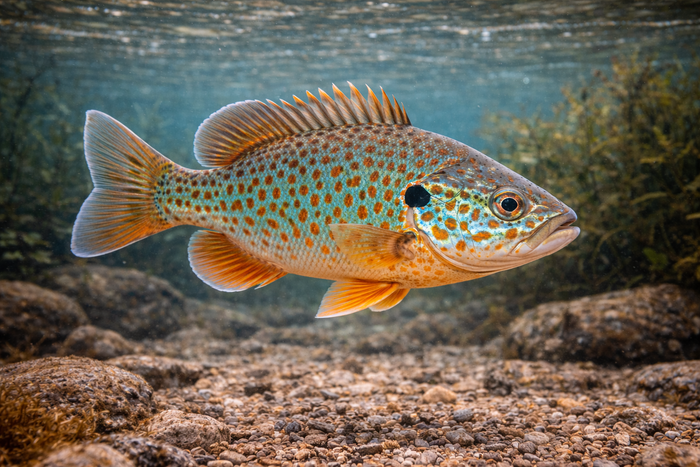
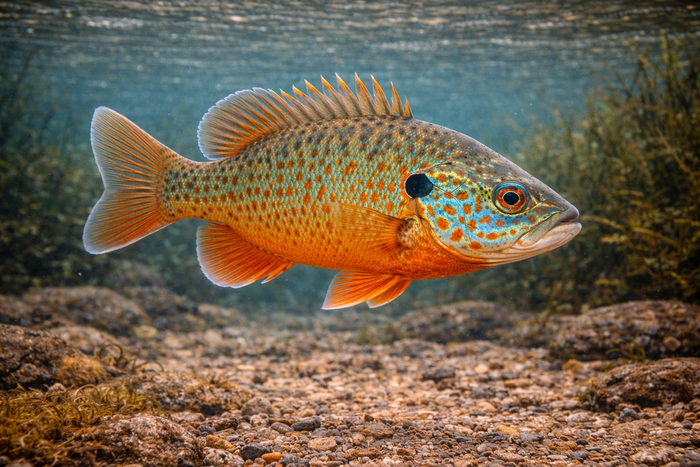
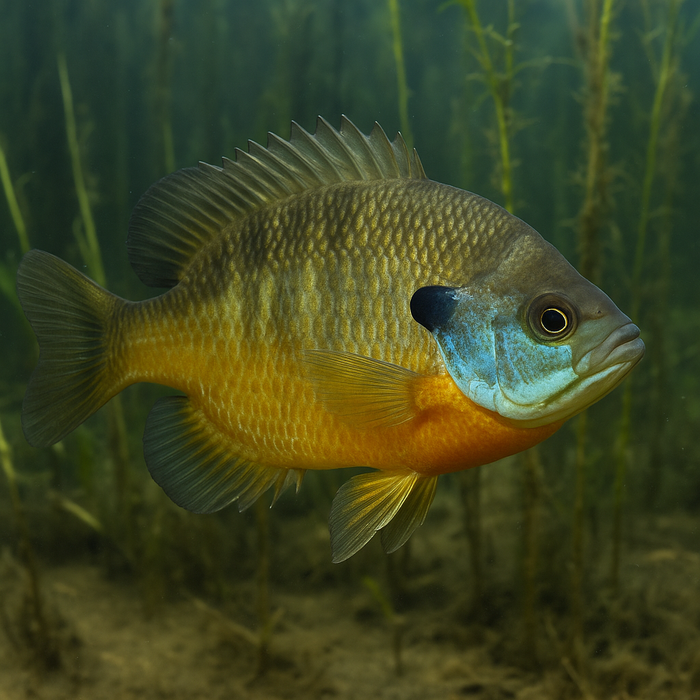
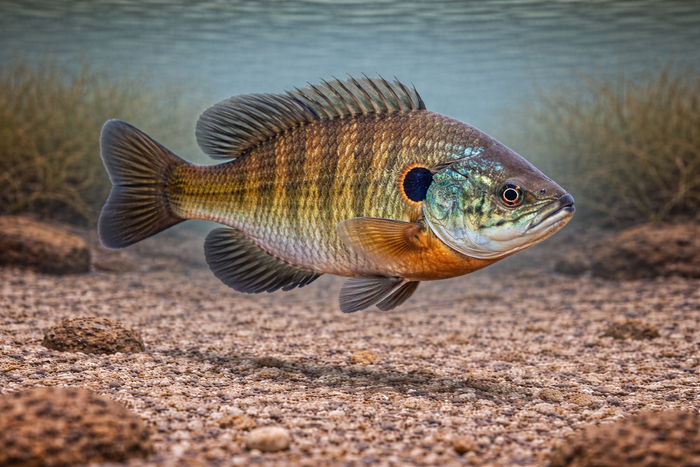
The Longear Sunfish’s signature feature is its “long ears”—those extended, pointed flaps on either side of its head. These aren’t just for show; they play a role in species recognition and territorial displays. Its body is a kaleidoscope of colors, ranging from deep blues and greens to fiery oranges and reds, often shimmering under sunlight. Unlike some of its relatives, the Longear Sunfish has a more slender, streamlined body, which helps it dart quickly through vegetation.
Another distinctive trait is its aggressive territorial behavior. Males stake out breeding grounds with fierce determination, defending nests against intruders with surprising tenacity for a fish this size. Its diet is opportunistic but leans heavily on aquatic insects and small crustaceans, making it a vital predator in controlling insect populations.
Habitat & Global Range
Longear Sunfish habitat is primarily shallow, clear waters with abundant vegetation. They prefer slow-moving streams, creeks, and small rivers, often with sandy or rocky bottoms. These environments provide both cover and ample food sources. Unlike some sunfish species that tolerate murky or heavily silted waters, Longear Sunfish thrive where visibility is good and aquatic plants flourish.
Geographically, they are native to the central and eastern United States, with populations stretching from the Mississippi River basin eastward to the Appalachian foothills. Their range includes states like Missouri, Arkansas, Tennessee, and parts of the Ohio Valley. While they have not been widely introduced outside their native range, their adaptability within these freshwater systems is impressive.
Behavior & Temperament
Longear Sunfish are small but mighty. Their behavior is marked by boldness and territoriality, especially during spawning season. Males build and guard nests in shallow gravel beds, often near submerged logs or rocks. They will aggressively chase away rivals and potential threats, including much larger fish.
Outside of breeding, they are opportunistic feeders, using quick bursts of speed to snatch insects, larvae, and small invertebrates. Their social structure is loosely organized, with individuals maintaining personal territories but tolerating neighbors at a distance.
They are also known for their curious nature, often investigating disturbances in their environment. This makes them a favorite among anglers who enjoy the challenge of catching a fish that fights hard despite its modest size.
Ecological Importance
The Longear Sunfish plays a crucial role in freshwater ecosystems. As insect predators, they help regulate populations of aquatic insects, some of which can be pests or vectors for disease. Their feeding habits contribute to the balance of invertebrate communities, indirectly supporting water quality and plant health.
They also serve as prey for larger fish, birds, and other wildlife, making them an integral link in the food web. Their nesting behavior influences sediment distribution and aquatic plant growth, subtly shaping their habitat.
In short, the Longear Sunfish is a keystone species in many freshwater environments, maintaining ecological balance through its dual role as predator and prey.
Conservation & Environmental Pressures
While not currently listed as endangered, the Longear Sunfish faces pressures from habitat degradation. Pollution, sedimentation, and the destruction of aquatic vegetation reduce the quality of their preferred habitats. Urban development and agricultural runoff contribute to water quality issues that can stress populations.
Invasive species also pose a threat by competing for food and space or introducing diseases. Climate change adds another layer of uncertainty, potentially altering water temperatures and flow patterns critical to their survival.
Conservation efforts focus on protecting and restoring clean, vegetated waterways. Maintaining riparian buffers, controlling runoff, and monitoring water quality are essential steps. Angler education and responsible fishing practices also help sustain healthy populations.
The FishyAF Take
The Longear Sunfish is a small fish with a big personality. Its striking appearance and tenacious behavior make it a standout in the sunfish family. Understanding Longear Sunfish facts reveals a species perfectly adapted to clear, vegetated freshwater habitats where it plays a vital ecological role.
For anglers and naturalists alike, this fish offers a glimpse into the complexity of freshwater ecosystems and the importance of preserving them. If you want a fish that’s as bold as it is beautiful, the Longear Sunfish deserves a spot on your radar. Keep an eye on its habitat, respect its role in the environment, and you’ll appreciate why this little fighter is more than just a pretty face in the water.