Redbreast Sunfish (Lepomis auritus): A Bold, Memorable Hook Line
The redbreast sunfish doesn’t just wear its name on its chest—it flaunts it with fiery colors and a personality that commands attention in any freshwater scene.
If you’re diving into the world of North American freshwater fish, the redbreast sunfish is a standout. Known scientifically as Lepomis auritus, this species combines vivid coloration with a feisty demeanor, making it a favorite among anglers and aquatic enthusiasts alike. It’s not just another sunfish; it’s a splash of red in a sea of green and brown, a fish that demands respect and curiosity. This guide digs deep into redbreast sunfish facts, exploring what sets this species apart, where it thrives, and why it matters in the bigger ecological picture.
What Makes the Redbreast Sunfish Unique?
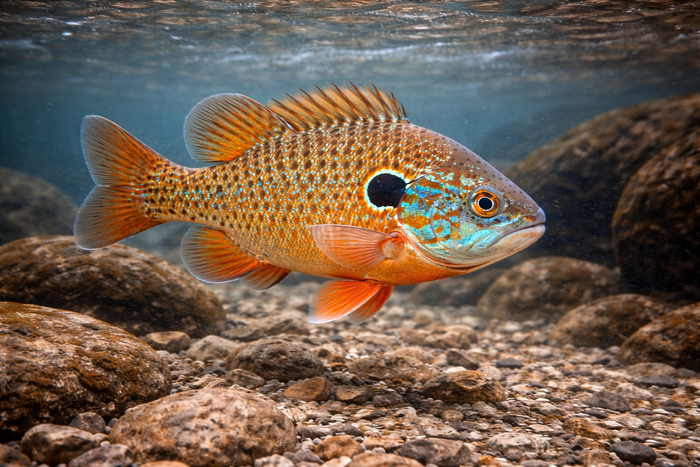
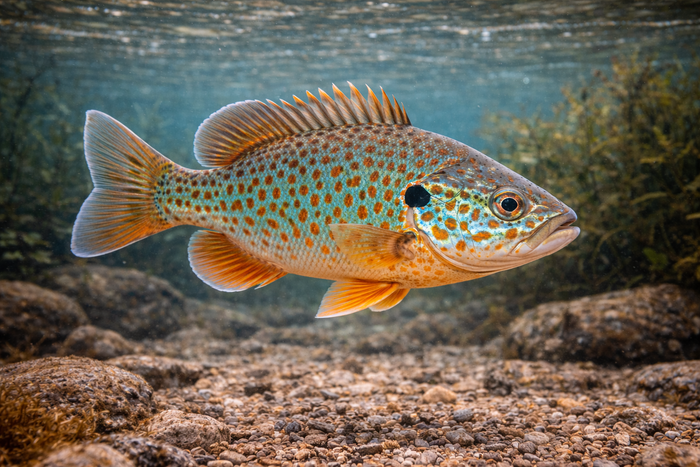
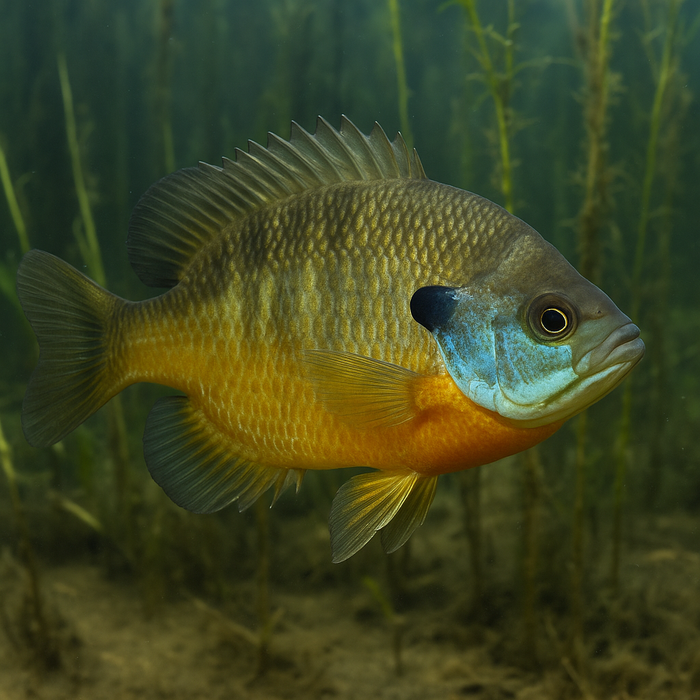
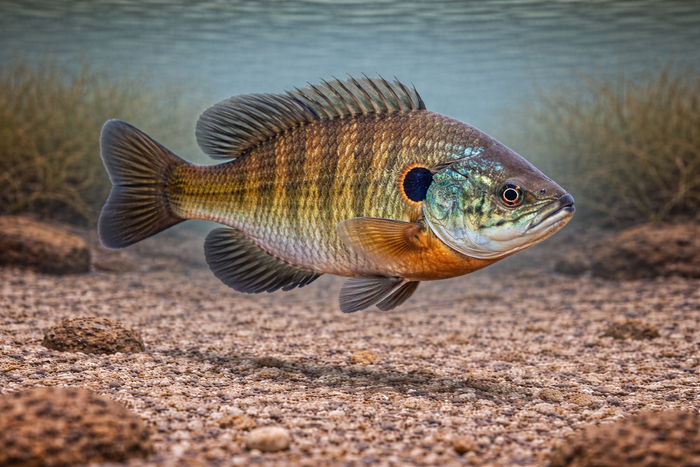
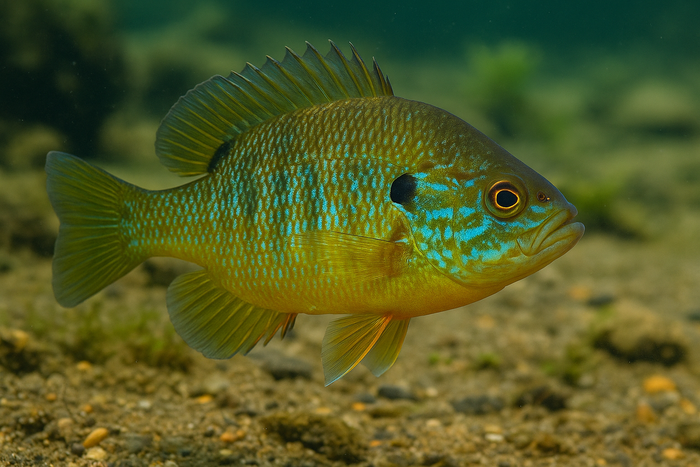
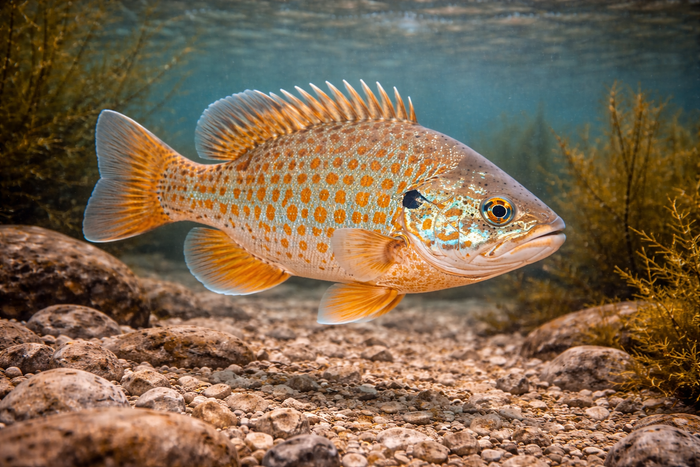
The redbreast sunfish is instantly recognizable thanks to its unmistakable rusty-red breast and vibrant orange to red fins. Unlike some of its more subdued sunfish cousins, this fish sports a bold color palette that serves as both a mating display and a territorial warning. Its body is laterally compressed, with a deep, rounded profile that’s built for maneuvering through dense aquatic vegetation.
Beyond looks, the redbreast sunfish stands out for its aggressive nature. It’s territorial and will defend its nesting sites vigorously, often engaging in dramatic displays to ward off intruders. This fish also has a relatively long lifespan for a sunfish, sometimes reaching up to eight years in the wild, which allows it to establish and maintain territories over multiple seasons.
Habitat & Global Range
Redbreast sunfish habitat is primarily freshwater environments along the eastern United States, stretching from the Great Lakes region down to Florida and westward to Texas. They favor slow-moving or still waters such as creeks, ponds, lakes, and reservoirs. What makes their habitat choice interesting is their preference for areas rich in submerged vegetation and woody debris, which provide cover and breeding grounds.
Unlike some sunfish that tolerate murky or heavily silted waters, redbreast sunfish thrive in clearer waters with moderate current. They’re often found in habitats where water temperatures range from cool to warm, adapting well to seasonal changes. This adaptability has helped them maintain stable populations across a broad geographic range.
Behavior & Temperament
The redbreast sunfish is a classic example of a small fish with a big attitude. Males establish nesting sites in shallow waters, often clearing out a circular area on the substrate to attract females. Once a female lays eggs, the male guards the nest with relentless vigilance, fending off anything that comes too close.
Their diet is opportunistic but leans heavily on aquatic insects, small crustaceans, and occasionally small fish or fish eggs. This feeding strategy makes them effective predators in their niche, controlling insect populations and competing with other sunfish species.
Socially, redbreast sunfish are less tolerant of conspecifics than some other sunfish, leading to more solitary or paired behavior during breeding season. Outside of breeding, they can be found schooling loosely but maintain clear personal space, especially in crowded habitats.
Ecological Importance
Redbreast sunfish play a crucial role in freshwater ecosystems. As mid-level predators, they help regulate populations of aquatic insects and smaller invertebrates, maintaining a balance that supports water quality and habitat health. Their nesting activities also influence sediment distribution and aquatic plant growth, subtly shaping their environment.
They serve as prey for larger fish, birds, and other wildlife, linking various trophic levels in the food web. Their presence is often an indicator of healthy aquatic systems, especially in terms of water clarity and vegetation density.
Conservation & Environmental Pressures
While the redbreast sunfish is not currently listed as threatened or endangered, it faces challenges from habitat degradation, pollution, and competition with invasive species. Urban development and agricultural runoff can reduce water quality in their habitats, affecting breeding success and juvenile survival.
In some areas, introduction of non-native fish species disrupts the delicate balance, leading to competition for food and nesting sites. Climate change also poses a long-term threat by altering water temperatures and flow patterns, potentially shifting the redbreast sunfish’s suitable habitat range.
Conservation efforts focus on protecting freshwater habitats, maintaining water quality, and monitoring populations to prevent declines. Anglers and aquatic managers play a role by promoting sustainable fishing practices and habitat restoration projects.
The FishyAF Take
The redbreast sunfish is a fish that commands attention not just for its fiery colors but for its bold personality and ecological role. It’s a species that thrives in the middle ground—neither a top predator nor a passive resident, but a dynamic player in freshwater ecosystems. Understanding redbreast sunfish facts and habitat preferences is key to appreciating their place in the aquatic world and ensuring they continue to flash that signature red breast for generations to come.
If you want a fish that’s as tough as it is beautiful, the redbreast sunfish is your go-to. It’s a reminder that in the world of freshwater fish, sometimes the most memorable characters are the ones that don’t just blend in but stand out with style and substance.