Red Spotted Sunfish (Lepomis miniatus): A Bold, Memorable Hook Line
Small but striking, the Red Spotted Sunfish commands attention with its vivid colors and tenacious spirit, proving that size doesn’t dictate presence in freshwater ecosystems.
The Red Spotted Sunfish, scientifically known as Lepomis miniatus, is a freshwater fish that stands out among its sunfish cousins. Native to the southeastern United States, this species is a compact powerhouse of color and character. While it may not be the largest or most famous sunfish, its distinctive red spots and aggressive behavior make it a fascinating subject for anglers, biologists, and aquarium enthusiasts alike. This guide dives deep into Red Spotted Sunfish facts, exploring what sets this species apart, where it thrives, and why it matters in the broader ecological picture.
What Makes the Red Spotted Sunfish Unique?
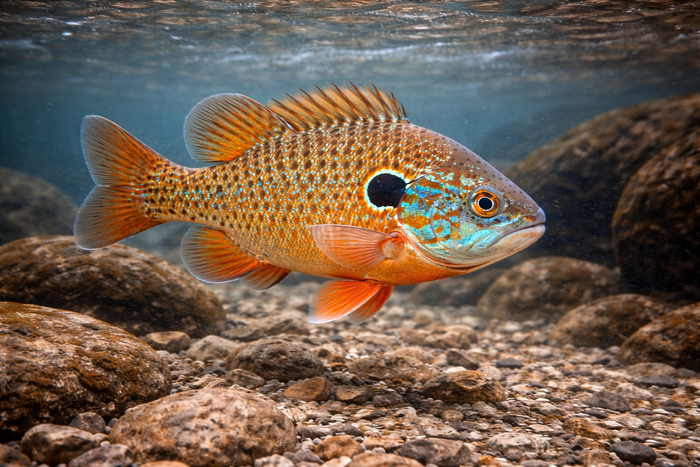
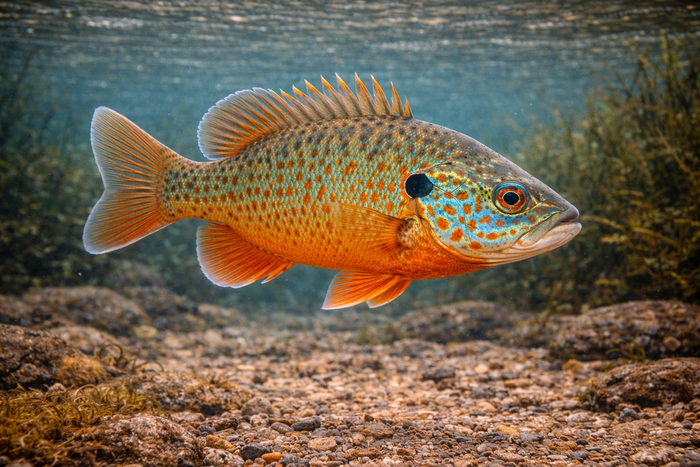
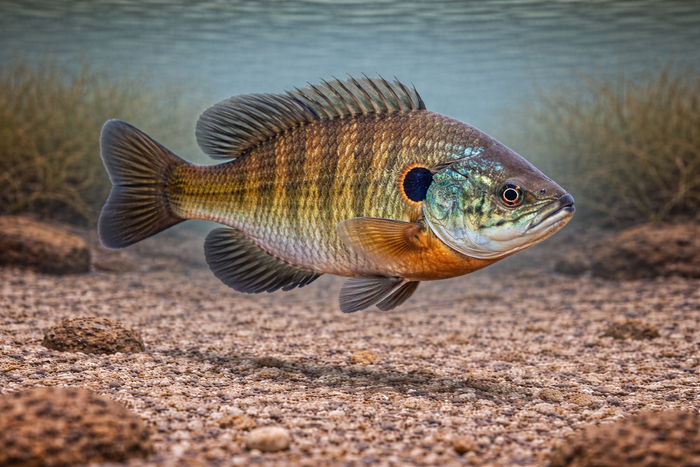
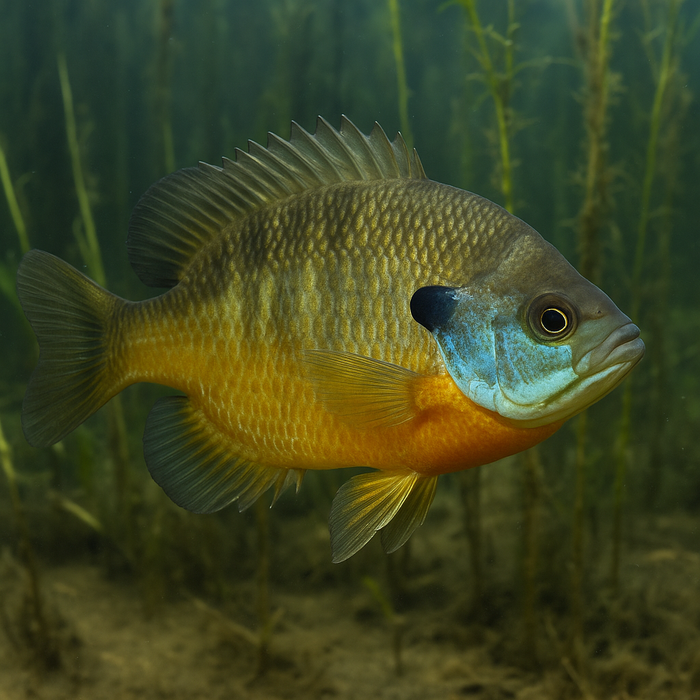
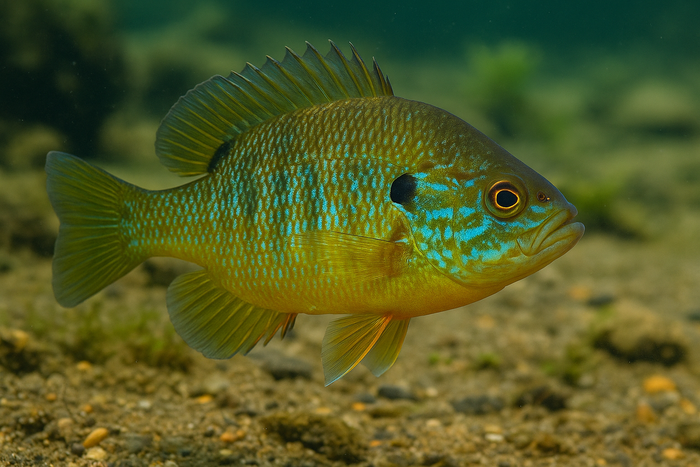
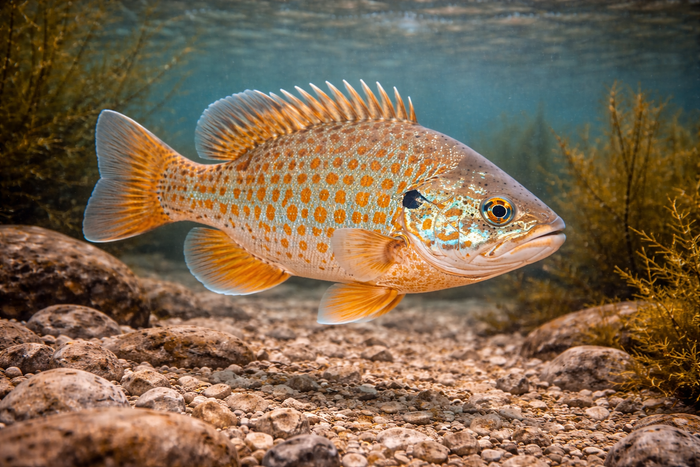
The Red Spotted Sunfish is a visual standout. Its body is adorned with bright red or orange spots scattered across a greenish to bluish base color, giving it a speckled, almost jewel-like appearance. Unlike many sunfish that rely on subtle patterns, the red spots are bold and unmistakable, making identification straightforward even for casual observers.
Beyond looks, this species is notable for its aggressive territorial behavior. Red Spotted Sunfish are fiercely protective of their nesting sites and will challenge intruders with surprising ferocity for their size. This tenacity is not just a quirk; it’s a survival strategy in the competitive freshwater environments they inhabit.
Another unique trait is their adaptability to a variety of freshwater habitats, from sluggish backwaters to clear streams. Their diet is opportunistic, feeding on insects, small crustaceans, and occasionally smaller fish, reflecting their role as both predator and prey in their ecosystems.
Habitat & Global Range
The Red Spotted Sunfish is endemic to the southeastern United States, primarily found in river systems draining into the Gulf of Mexico. Its range includes parts of Mississippi, Alabama, Louisiana, and Florida. This fish favors slow-moving or still waters with abundant vegetation, such as swamps, oxbow lakes, and backwaters.
Red Spotted Sunfish habitat is characterized by warm temperatures, soft substrates, and plenty of cover. Aquatic plants, submerged logs, and leaf litter provide essential shelter and breeding grounds. Unlike some sunfish species that prefer rocky or sandy bottoms, Lepomis miniatus thrives in murkier, more vegetated waters, which also offer ample feeding opportunities.
Their presence is often an indicator of healthy wetland ecosystems, though they can tolerate moderate environmental changes better than some other sunfish. However, their distribution is patchy, and they are rarely found in large schools, preferring to stake out and defend individual territories.
Behavior & Temperament
If you think sunfish are docile, think again. The Red Spotted Sunfish is a scrappy little fighter. Males become especially territorial during breeding season, aggressively defending nests from rivals and potential threats. This behavior ensures higher survival rates for their offspring but can lead to intense skirmishes that are a spectacle for anyone lucky enough to observe.
Outside of breeding, these fish are relatively solitary. They patrol their territories, hunting small invertebrates and occasionally nibbling on algae. Their feeding strategy is opportunistic and adaptable, allowing them to exploit whatever resources are available.
In captivity, Red Spotted Sunfish can be challenging due to their aggression and territoriality. They are not ideal for community tanks but can be fascinating for hobbyists who appreciate their bold personalities and striking appearance.
Ecological Importance
The Red Spotted Sunfish plays a crucial role in freshwater ecosystems. As both predator and prey, it helps maintain the balance of aquatic food webs. By feeding on insects and small crustaceans, it controls populations that might otherwise explode and disrupt the ecosystem.
Their nesting behavior also contributes to the health of aquatic habitats. By clearing and defending nesting sites, they influence the structure of the benthic environment, which can affect other species’ breeding success.
Moreover, as prey for larger fish, birds, and reptiles, Red Spotted Sunfish support higher trophic levels. Their presence indicates a functioning, biodiverse ecosystem, making them a valuable species for ecological monitoring.
Conservation & Environmental Pressures
Despite their adaptability, Red Spotted Sunfish face several environmental pressures. Habitat loss due to wetland drainage, river channelization, and urban development threatens their preferred environments. Pollution from agricultural runoff and industrial waste further degrades water quality, impacting their survival.
Invasive species also pose a risk by competing for resources and altering habitat conditions. While not currently listed as endangered, localized population declines have been reported, signaling the need for ongoing conservation efforts.
Protecting Red Spotted Sunfish habitat means preserving wetland ecosystems and maintaining water quality. Conservation programs focusing on habitat restoration and pollution control are essential to ensure this species continues to thrive in its native range.
The FishyAF Take
The Red Spotted Sunfish is a prime example of how even the smaller players in freshwater ecosystems pack a punch. Its vivid red spots are more than just eye candy—they’re a badge of resilience and adaptability. This fish’s aggressive temperament and ecological role make it a fascinating subject for anyone serious about freshwater biology or angling.
Understanding Red Spotted Sunfish facts and habitat helps us appreciate the complexity of aquatic ecosystems and the delicate balance required to maintain them. Protecting this species means protecting the wetlands and waterways that countless other organisms depend on.
If you want a fish that’s as bold in behavior as it is in appearance, the Red Spotted Sunfish deserves a spot on your radar. It’s a reminder that in the world of freshwater fish, sometimes the smallest species leave the biggest impression.