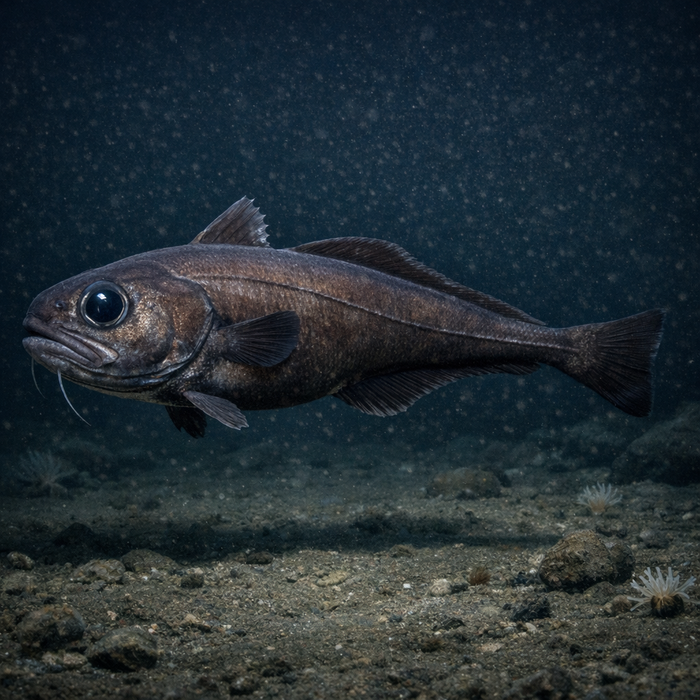
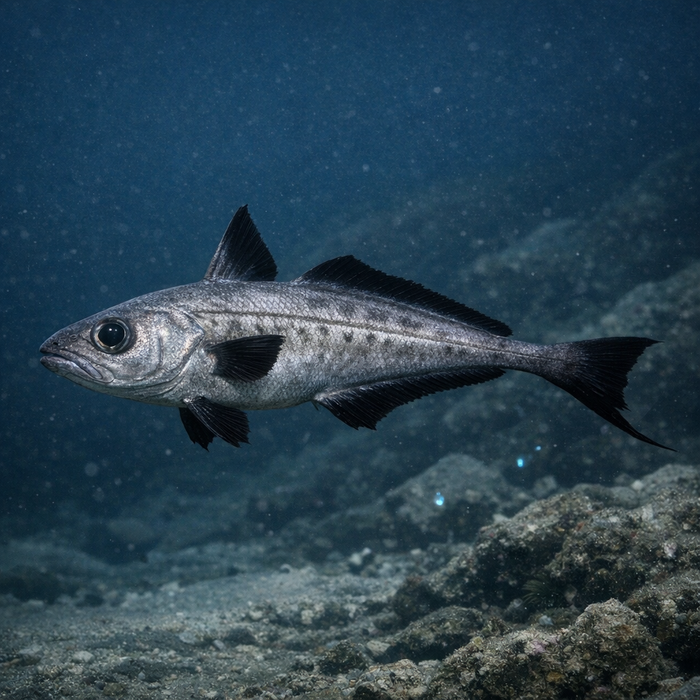
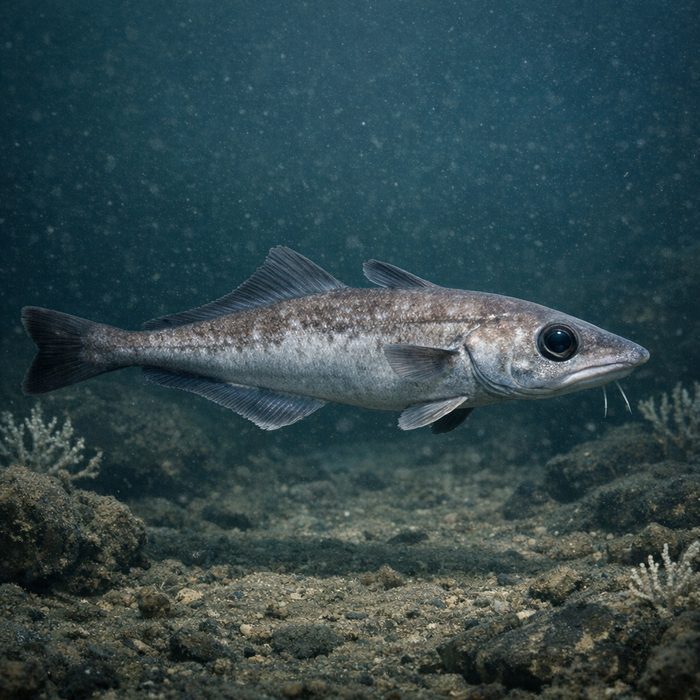
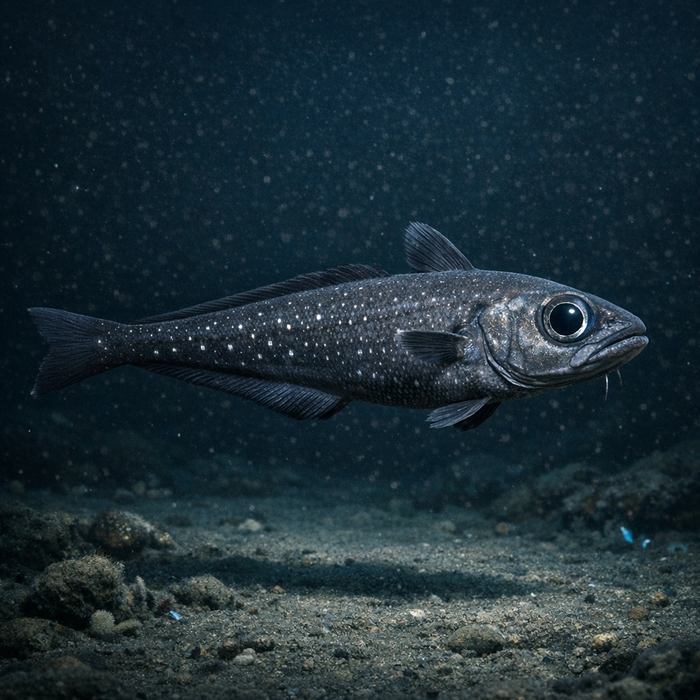
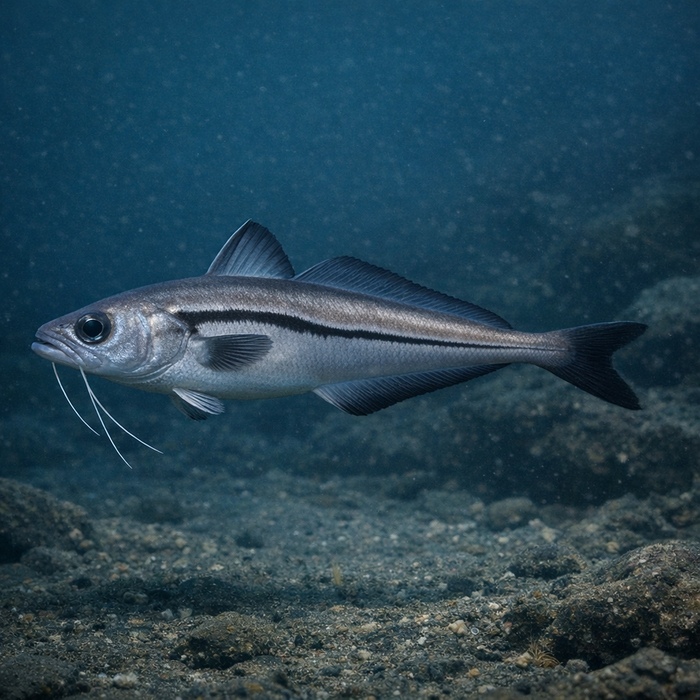
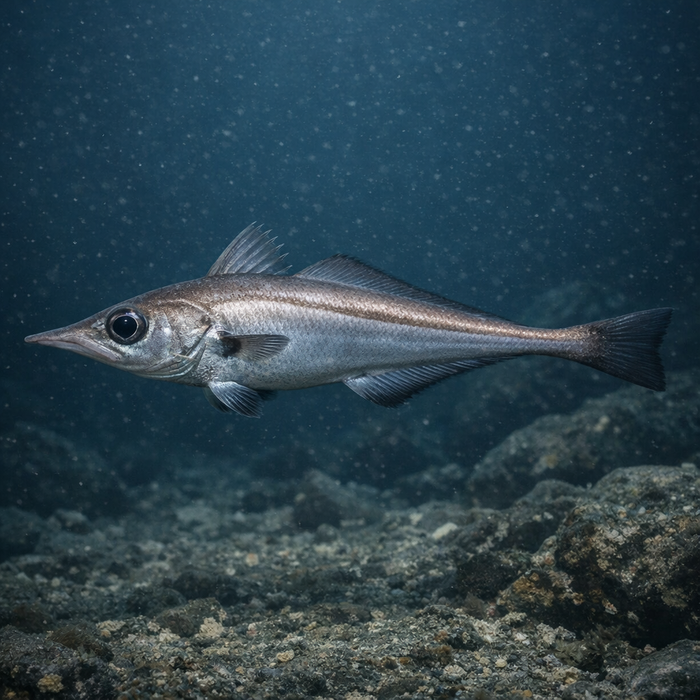
Peruvian Grenadier (Nezumia convergens): The slope-dwelling rattail that turns mud and darkness into home field advantageIntroductionThis isn't your beach-casting buddy. The Peruvian grenadier is a deep-slope specialist: small, spooky-looking, and incredibly at ease where light goes to die. If you're curious about weird-but-real deepwater denizens, stack some Peruvian grenadier facts on your brainpan and meet a fish that thrives in the Humboldt Current's oxygen-starved zones. It's not famous, flashy, or big. It's simply built to win in a brutal neighborhood.What Makes the Peruvian grenadier Unique?Start with the silhouette. Like most rattails, the Peruvian grenadier carries its weight up front and tapers into a whiplike tail that seems half thread, half fish. Those oversized eyes are tuned for gloom, eking every photon from the deep. Then there's the physiology piece: this species is astonishingly comfortable in low-oxygen layers that sideline less adapted fish, a nifty trick in one of Earth's most prominent oxygen minimum zones off Peru and northern Chile. Add sandpapery scales, a tough head, and you've got a low-drama survivor.Habitat & Global RangeThink "Peruvian grenadier habitat," and your mental map should lock on the upper to mid continental slope of the Southeast Pacific. We're talking several hundred meters down across soft mud and silt, with occasional use of canyon edges and current-swept lanes. The Humboldt Current funnels cool, nutrient-rich water along this coast, feeding an immense food web. Bits of that bounty slip downslope as detritus and prey, and the Peruvian grenadier is right there, cruising the bottom where light barely registers. It's a regional player, not a global tourist, with a sweet spot along Peru and into northern Chile.Behavior & TemperamentThis fish isn't a sprinter. It's an energy accountant. The Peruvian grenadier roams deliberately along the seafloor, keying on scent and subtle movement. It doesn't care about surface fuss and doesn't need structure like a reef; broad muddy plains do just fine. Bites come as taps or steady thumps rather than haymaker slams, and once hooked the fight is a slow, stubborn grind shaped more by depth and lead than raw power. If currents behave, small aggregations can work a patch of bottom like vacuum crews, then slide along when the meter dips.Ecological ImportanceThe Peruvian grenadier converts the ocean's secondhand groceries into protein, linking shallow upwelling to deep benthic food webs. Anchoveta, squid scraps, crustaceans, and other slope critters all cycle through this fish. In turn, mid-tier predators and larger deep-sea hunters recycle grenadier calories up the chain. Its knack for living in oxygen-poor layers also makes it an indicator: when that band thickens or thins with climate patterns, the grenadier's distribution and catch rates can whisper what's changing below.Conservation & Environmental PressuresYou won't see this fish on billboards or tournament weigh-ins, which helps. Still, deep-sea life pays taxes in a different currency. Shifting oxygen minimum zones, warming waters, and seafloor disturbance from trawling can reshape neighborhoods the Peruvian grenadier depends on. Data is patchy, and formal sport regulations may be sparse, but that doesn't mean the species is bulletproof. Deepwater species generally grow slow and juggle delicate energy budgets. Keep that in mind before counting them as endlessly replaceable background fish.The FishyAF TakeThe Peruvian grenadier isn't here to wow your Instagram. It's here to remind you that survival is style. If you're running deep-drop rigs off Peru or northern Chile, it's the quiet customer that taps your bait when the glam species ghost you. Respect the real estate: hundreds of meters down, nearly no light, and currents with attitude. The fish is modest, the setting is hardcore. And that's the hook. Master the deep, read the current, and you'll add the Peruvian grenadier to the list of species you didn't know you wanted until your reel started humming in the dark.