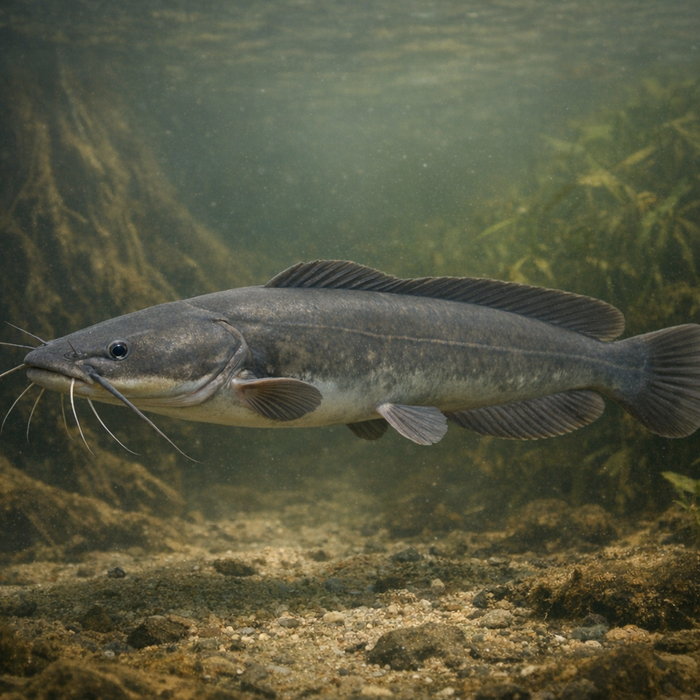
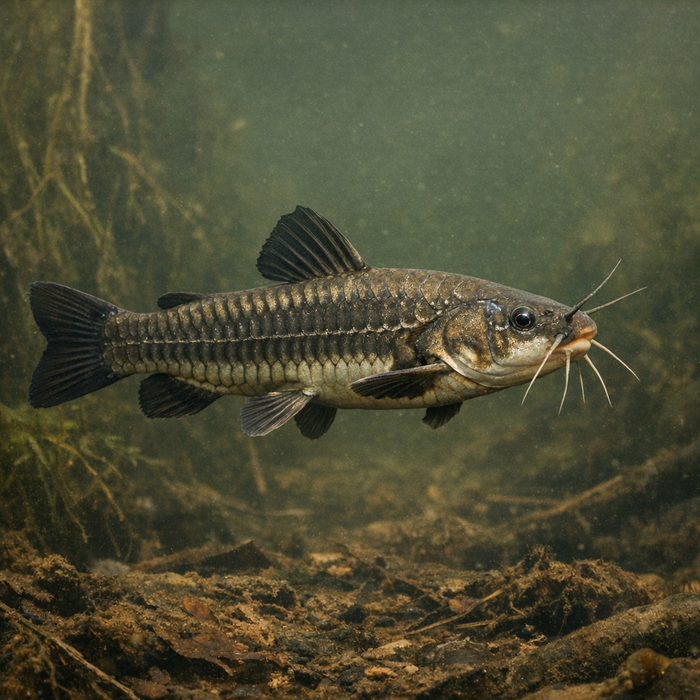
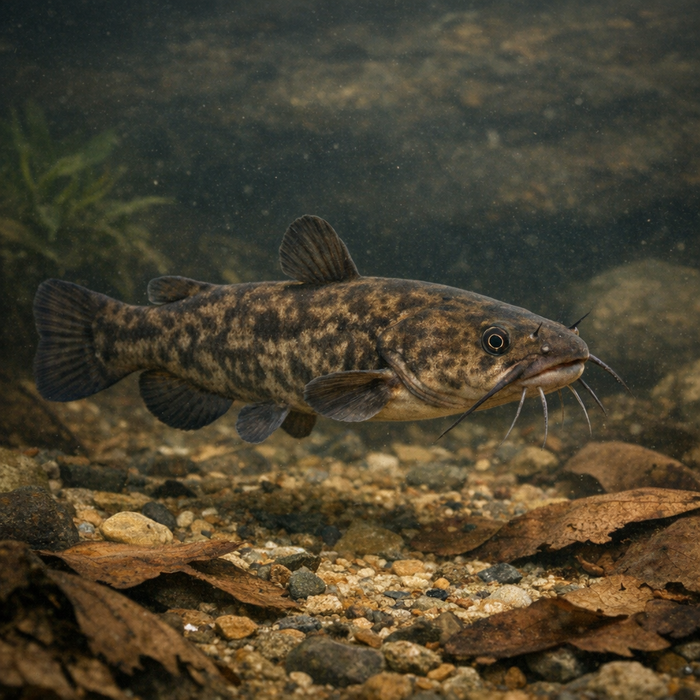
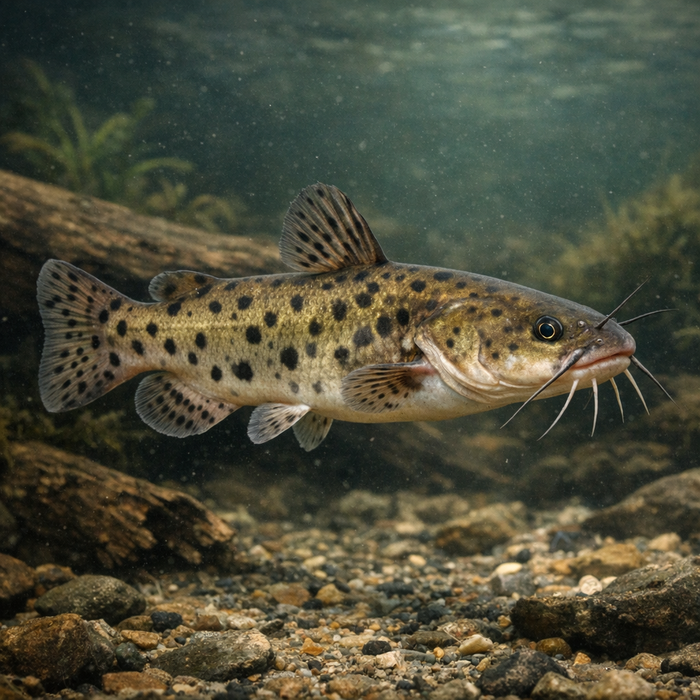
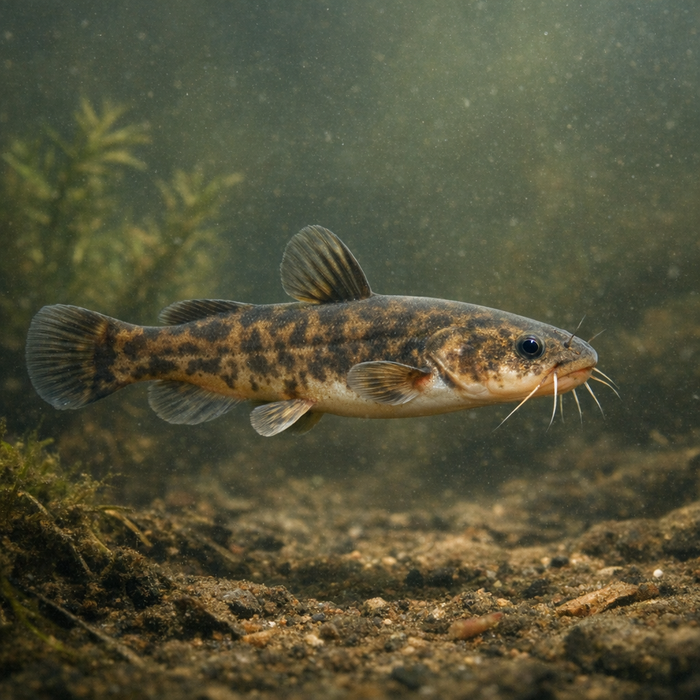
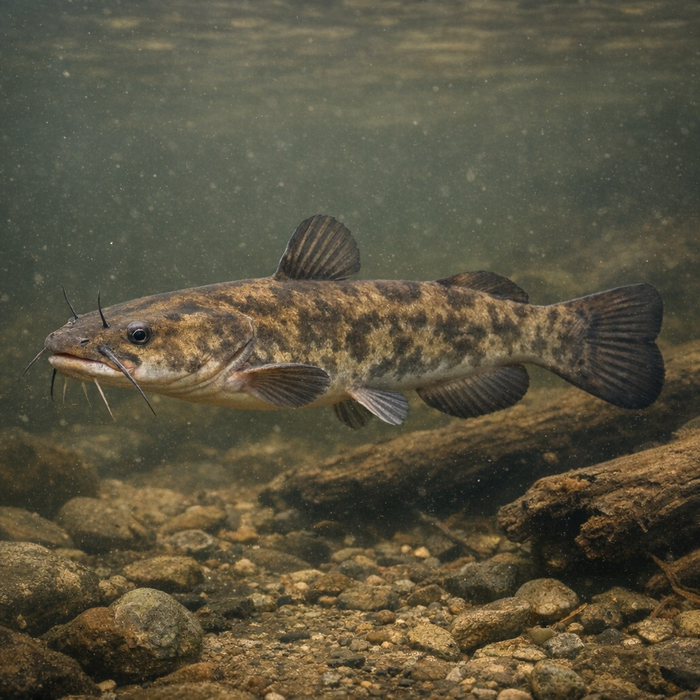
Philippine Catfish (Clarias batrachus): The air-breathing thug that might meet you halfway across a rice fieldIntroductionThe Philippine catfish carries a reputation bigger than its frame. It gulps air, survives sewage-grade water, and if the mood strikes, slithers overland to the next puddle like it owns the place. For anglers, it's a scrappy, accessible target that turns ditches and ponds into bite factories. If you're after real-world Philippine catfish facts and not fish-tale fluff, pull up a bank and let's talk hito.What Makes the Philippine catfish Unique?Two superpowers define Clarias batrachus. First, the air-breathing setup: a suprabranchial organ that lets it gulp atmospheric oxygen. That means low-oxygen slop ponds are more like lounges than danger zones. Second, mobility. Those stiff pectoral spines and eel-like bodies let them wriggle across wet ground to new water. For an angler, that translates to one highly adaptable fish that shows up in places you'd swear couldn't support life. The Philippine catfish also croaks audibly when handled and packs locking spines, so respect the hardware.Habitat & Global RangeIf you're scouting Philippine catfish habitat, think warm, weedy, and shallow. Rice paddies, canals, floodplain pools, backwaters, and still stretches of creeks are prime. During monsoon surges they roam, sometimes literally crossing land to colonize fresh water. While centered in Southeast and South Asia, they've been farmed widely and introduced in spots like South Florida, particularly in canals and urban drainage. Depth is usually knee-deep to a few feet, with soft mud bottoms, emergent vegetation, and tight cover where they can idle and ambush.Behavior & TemperamentThe Philippine catfish is a low-light, structure-loving opportunist. It feeds most confidently at night, dawn, and dusk, cruising edges and punching through vegetation. It's not picky-worms, small fish, snails, frogs, pellets-if it fits, it's food. Hook one and expect determined, twisting surges and an immediate beeline for cover. They're not freight trains, but they're stubborn, and those spines complicate unhooking. Air-breathing habits mean surface trips are normal; don't mistake that head pop for a roll-often it's just a quick gulp before business resumes.Ecological ImportanceIn native waters, the Philippine catfish fills the tough-as-nails scavenger-predator niche, converting flooded fields and seasonal ditches into functioning food webs. It tolerates droughts, monsoons, and agricultural runoff, bridging gaps where more delicate fish would vanish. That resilience supports local fisheries and food security. The flip side: in non-native systems, the same traits can pressure small native fish, amphibians, and invertebrates. In other words, a hero in one drainage, a headache in another.Conservation & Environmental PressuresGlobally, the species is often listed as Least Concern, thanks to its hardiness and aquaculture presence. But localized declines can happen where water is over-extracted, spawning grounds are silted, or pollution crosses the line from ugly to lethal. Regulations can be tight where it's invasive; for example, Florida prohibits live possession to prevent further spread. For anglers, the message is simple: know your local rules, handle spines with care, and don't bucket-biologist these fish into new waters.The FishyAF TakeThe Philippine catfish is the blue-collar champ of muddy water. It bites when fancy species sulk, laughs at low oxygen, and sometimes comes walking to you. If you want a pure, no-frills tug and a legit dinner option, this fish delivers. Learn the edges, fish after dark, and keep your fingers away from those switchblade spines. That's the real-deal Philippine catfish habitat approach and the kind of practical intel that fills coolers, not Instagram captions.