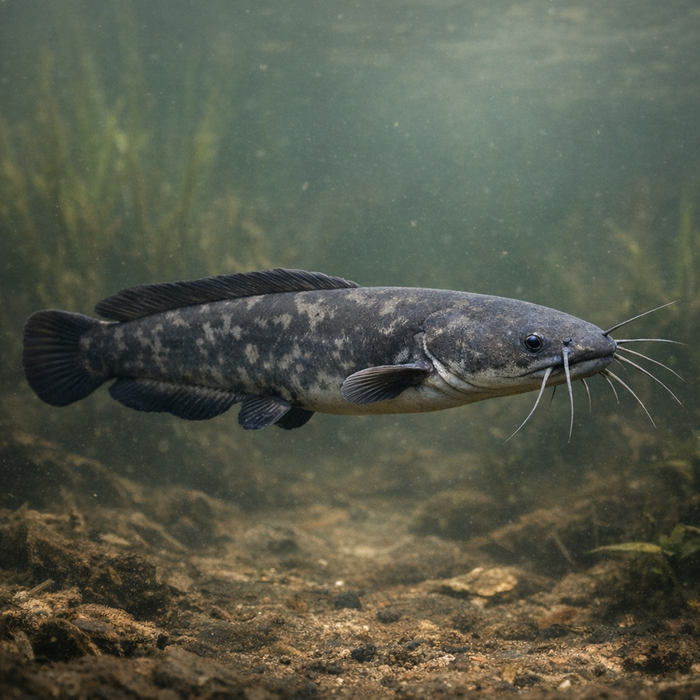
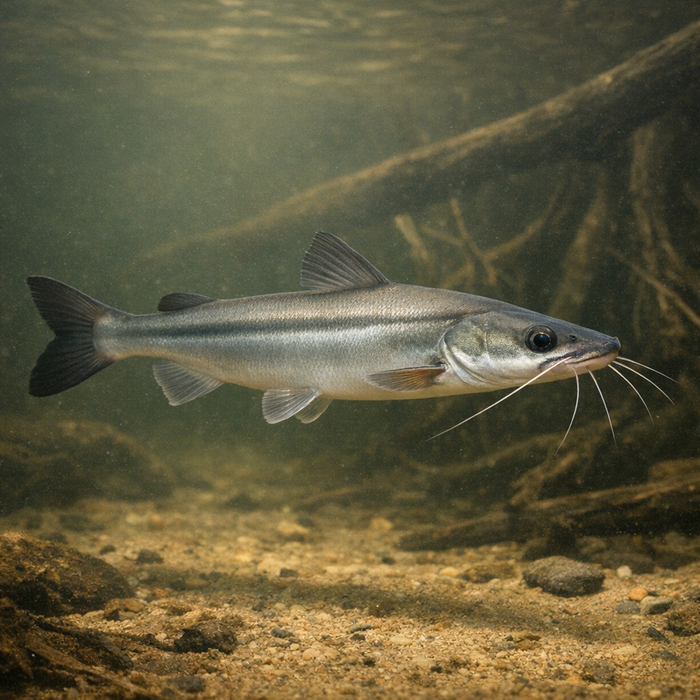
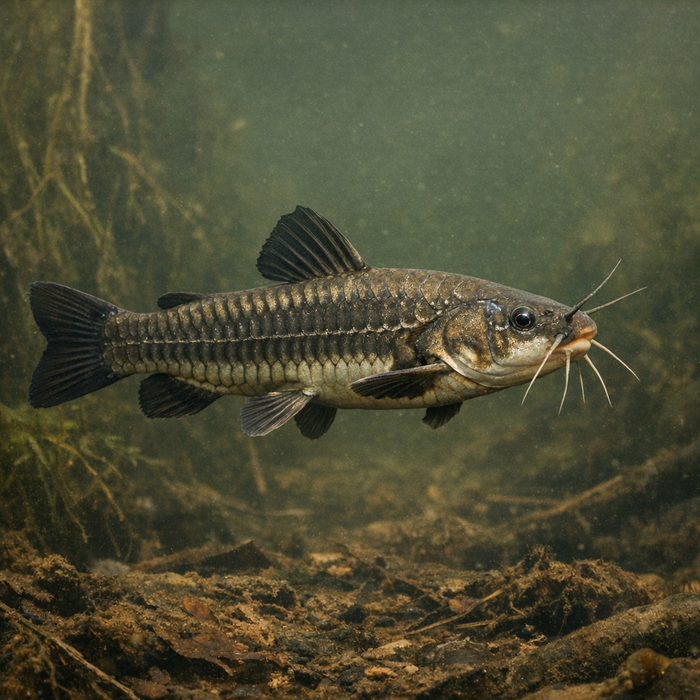
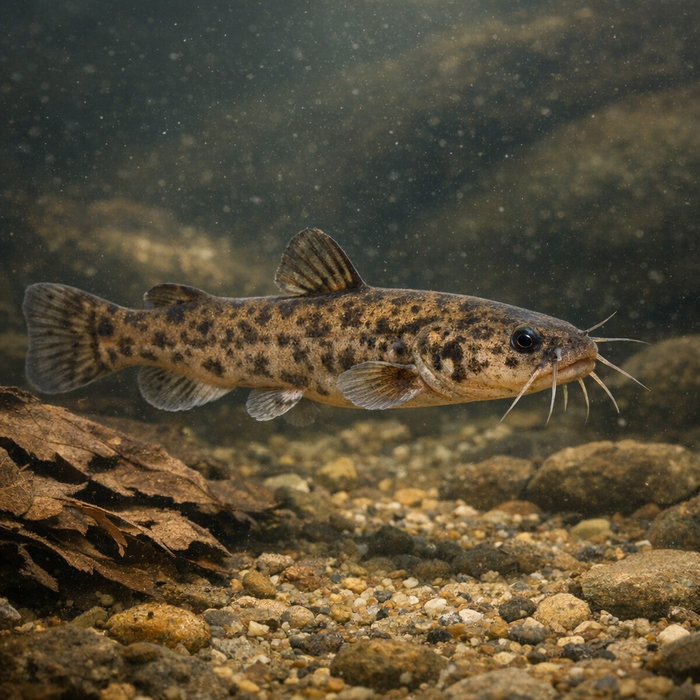
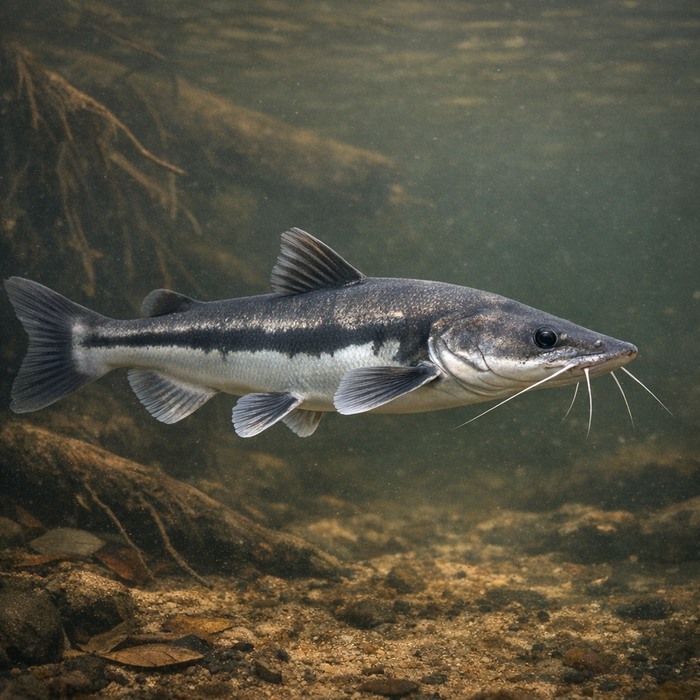
North African Catfish (Clarias gariepinus): A Bold, Memorable Hook LineIntroductionThe North African catfish is the tough kid on the floodplain who doesn't ask permission. It breathes air, endures nasty water, and still shows up hungry after dark. If you like fish with attitude and horsepower, this one delivers, whether you're fishing a Nile side channel, a Botswana oxbow, or an introduced European reservoir. Here are the North African catfish facts that actually matter when you're on the bank.What Makes the North African catfish Unique?Two things: lungs and legs. Not literal legs, but those locking pectoral spines and a muscular body let it wriggle across wet ground between pools, a party trick that keeps it feeding when other fish are stranded. Air gulping with a specialized suprabranchial organ turns low-oxygen slop into prime real estate. Add a dorsal fin that runs nearly the length of its back and a shovel head bristling with four pairs of barbels, and you've got a sensory tank built for murk and midnight.Habitat & Global RangeIf there's a better poster child for "opportunist," we haven't met it. The North African catfish thrives in warm, slow rivers, floodplains, canals, and man-made dams. It also tolerates light brackish water in deltas and back-bays, which broadens the practical North African catfish habitat. Native across most of Africa and the Middle East, it's farmed widely and introduced in parts of Europe and Asia. Wherever it goes, the playbook is the same: wait for warm water and rising levels, then ride the buffet into inundated grass and reedbeds.Behavior & TemperamentThis catfish is a nighttime problem-solver. It patrols edges, inlets, and flooded grasses like a burglar, using barbels to map the world and sandpaper teeth to hang onto anything edible. It will happily vacuum cut bait off the bottom, but big fish aren't lazy; they'll chase livebaits and even take crankbaits and soft plastics in turbid water. Fights are bulldog-heavy with short runs, deep circles, and last-minute thrashes, especially near snags. Don't underestimate how far a North African catfish will roam after dark. When the wind stacks bait against a floodplain edge, they show up.Ecological ImportanceAs a top mid-level predator and supreme scavenger, the North African catfish cleans up carrion, pressures overabundant prey fish, and converts floodplain energy into biomass fast. That speed fuels fisheries and puts affordable protein on tables via aquaculture. But the same superpowers can rattle non-native systems. In invaded waters, it can outcompete local species and hoover nests if it overlaps spawning timing. It's a case study in how a fish can be both vital and problematic depending on the zip code.Conservation & Environmental PressuresDespite heavy harvest and booming aquaculture, the species is listed as Least Concern. Its resilience to droughts, pollution spikes, and habitat fragmentation is legendary. Real threats are local: dam alterations that stall flood pulses, chronic contamination in urban canals, and genetic dilution from farmed stock. In non-native regions, controls can be strict, sometimes requiring harvest on capture. Either way, smart management means paying attention to floodplain connectivity and keeping escapes from farms on a short leash.The FishyAF TakeThe North African catfish is the ultimate backup generator of freshwater predators. When conditions get ugly, it keeps eating. For anglers, that means honest shots year-round and savage windows during the warm, rising-water months. It's not fancy. It's not picky. It's just brutally effective, and it will teach you more about water levels and edge habitat than a semester of lectures. If you're after a gateway drug into African freshwater, start here. Bring stout gear, keep your fingers clear of those pectoral spines, and embrace the mud. You'll come home with stories, and probably a slime-stained shirt.