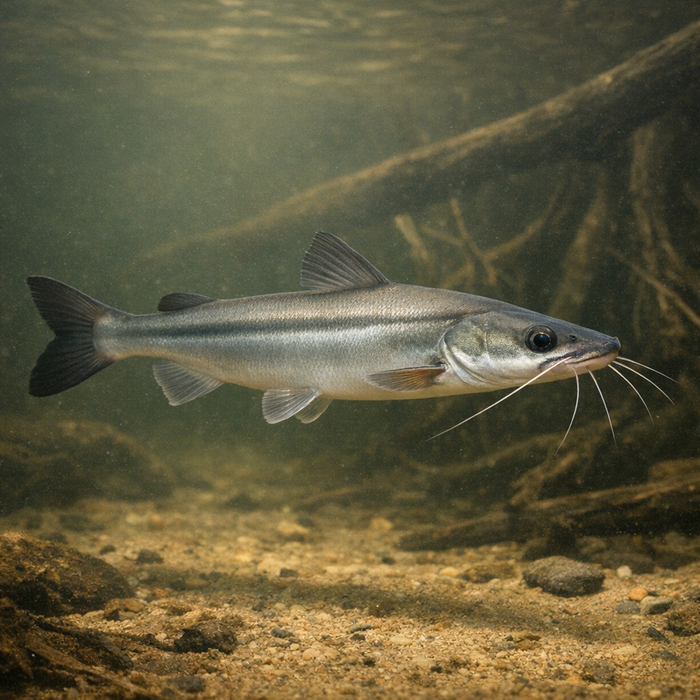
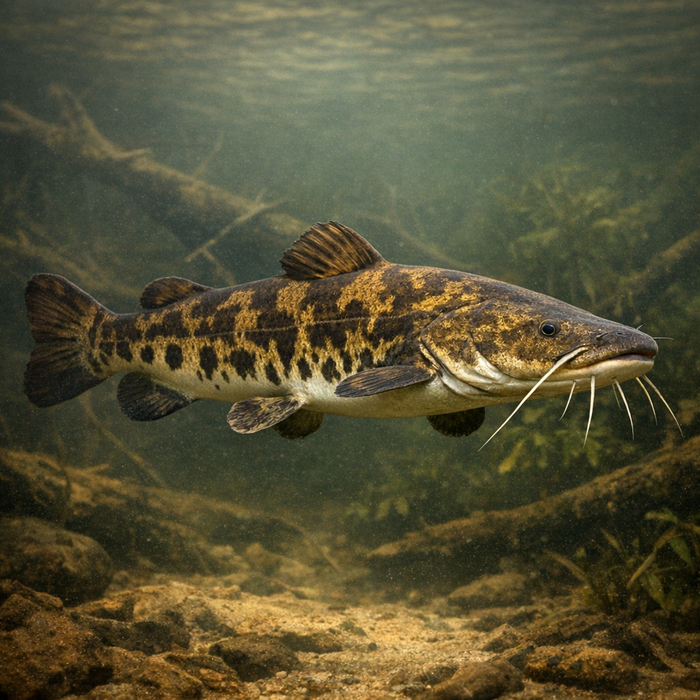
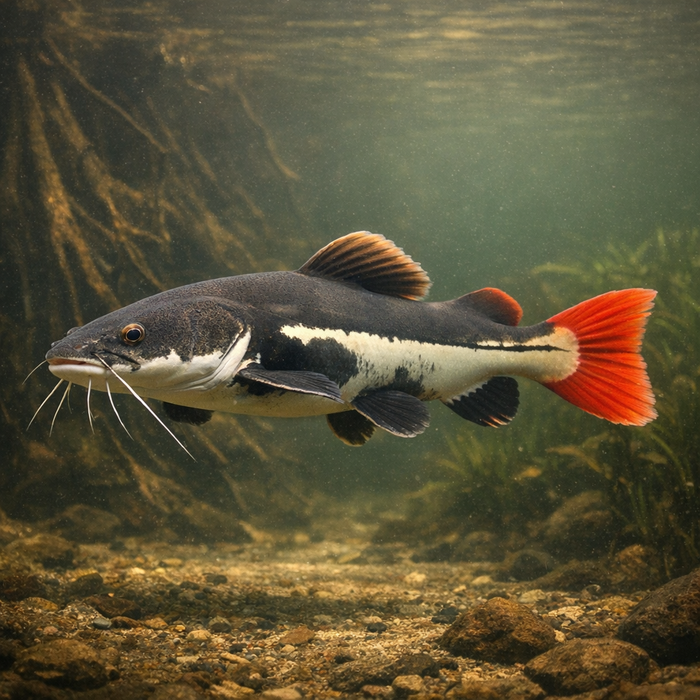
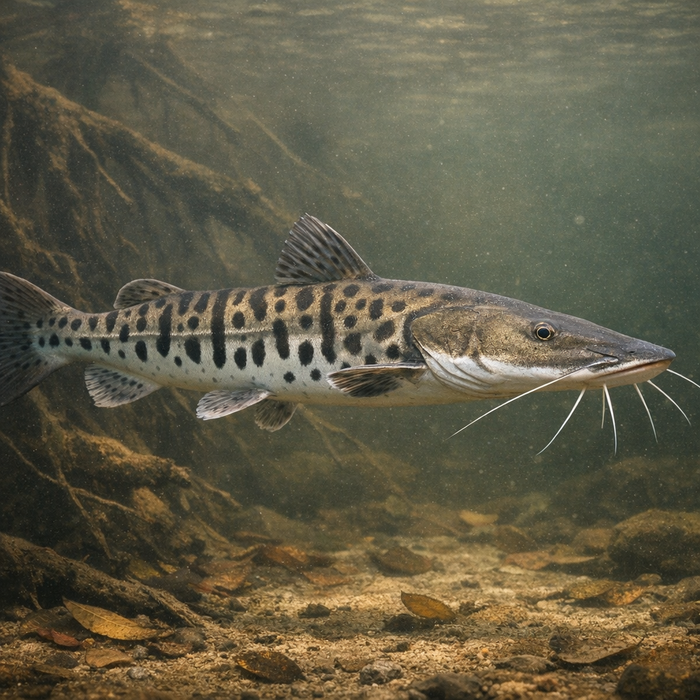
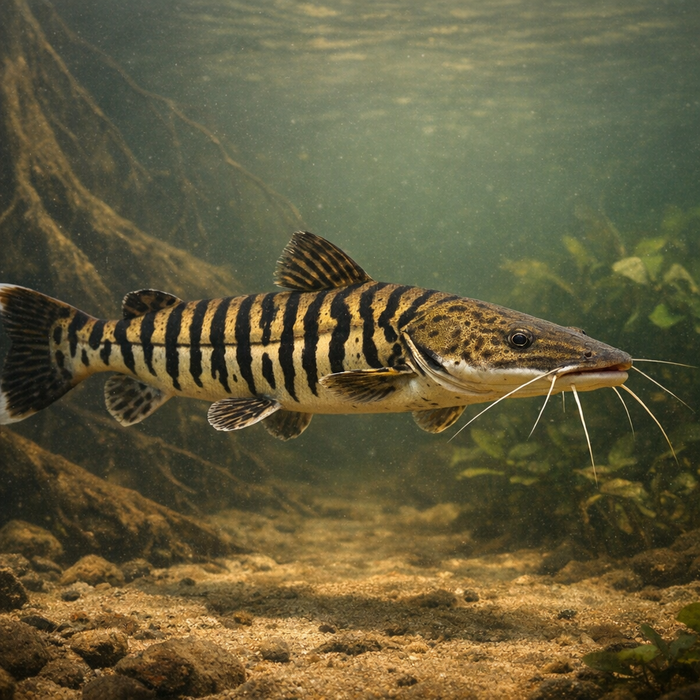
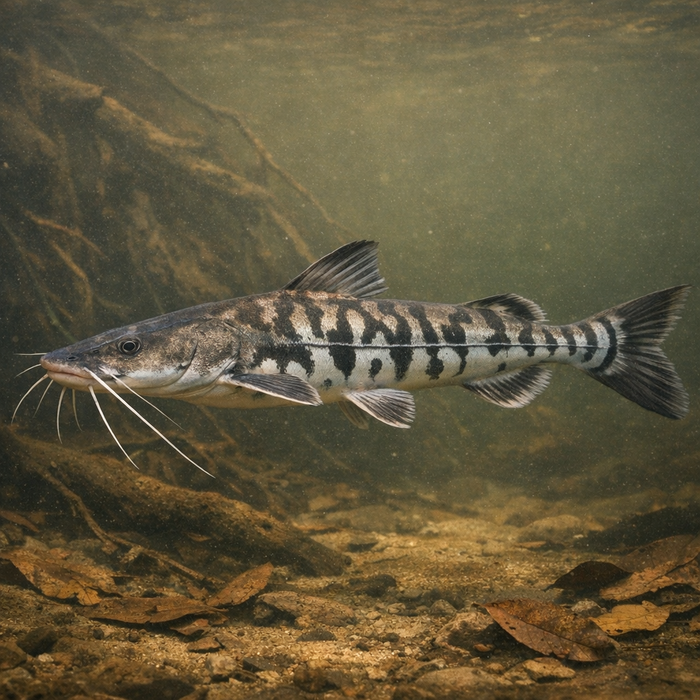
Zamurito (Calophysus macropterus): The Amazon's unapologetic cleanup crew with a serious mean streak.IntroductionThe Zamurito is the catfish that turns a quiet river bend into a crime scene. One whiff of blood or a tossed fish head and things go from calm to chaotic fast. For anglers, it's an absolute blast: heavy current, aggressive takes, and a gritty, bulldog fight. If you want Zamurito facts without the dry lecture, here's the straight dope on the Amazon's vulture catfish.What Makes the Zamurito Unique?First, the attitude. The Zamurito is hardwired to home in on scent, especially blood and oils, and it rallies in packs. That vulture nickname isn't cute branding; it's earned. Second, the hardware. Instead of dramatic fangs, it carries dense rasping teeth plates that sandpaper flesh like a belt sander. Add locking pectoral spines that demand pliers-only handling, and you've got a fish built for chaos in heavy flow. Finally, movement. A strongly forked tail gives it better cruising speed than most catfish its size, perfect for long patrols between feeding opportunities.Habitat & Global RangeThe Zamurito ranges across two colossal systems: the Amazon and Orinoco drainages of South America. Think big, muddy rivers, deep confluences, outside bends, and backwater holes where the current softens. The classic Zamurito habitat is a turbid channel with enough depth to stack fish during dry season and enough food traffic to ring the dinner bell. Flood seasons scatter them across vast floodplains; low water packs them into predictable choke points and holes.Behavior & TemperamentThis fish runs on scent, current, and opportunity. It raids fish-cleaning stations, trails market outflows, and piles into chum lines with teammates, not shy about friendly fire. Hook one and it'll grind into the current, using that river like a second set of muscles. The bites aren't subtle. Rod tip loads, sinker lifts, and then it's on. At night or in stained water, they lose what little caution they had, turning cutbait drifts into short waits. They're social by necessity, forming fast-moving schools that can turn still water frantic in seconds.Ecological ImportanceIt's a cleaner and recycler. By pouncing on carcasses and wounded fish, the Zamurito closes the loop on energy in these rivers, keeping decay from stacking up and moving nutrients along. That role is unglamorous but critical, especially in floodpulse ecosystems where biomass booms and busts seasonally. When you see "vulture" behavior, you're watching the river's maintenance crew clock in.Conservation & Environmental PressuresThe Zamurito gets hammered in some regions for the commercial market under names like mota. In basins affected by gold mining, mercury contamination shows up in food-web hotspots; scavengers like this species can carry higher loads. Overfishing in choke points during low water can also slap local stocks. Big picture, it's widespread and tough, but local pressures matter. Smart management, clean-water enforcement, and honest labeling do more for this fish than any single regulation.The FishyAF TakeThe Zamurito is a brawler with manners to match. Bring cut bait, bring current, and bring pliers. It's not a once-in-a-lifetime unicorn, but it is a guaranteed good time in the right spot, and it belongs on every jungle hit list. If you're hunting Zamurito habitat, think holes, bends, and anywhere a fish head might drift and stall. As far as South American catfish go, it's the blue-collar bite that rarely stands you up. That's a compliment.