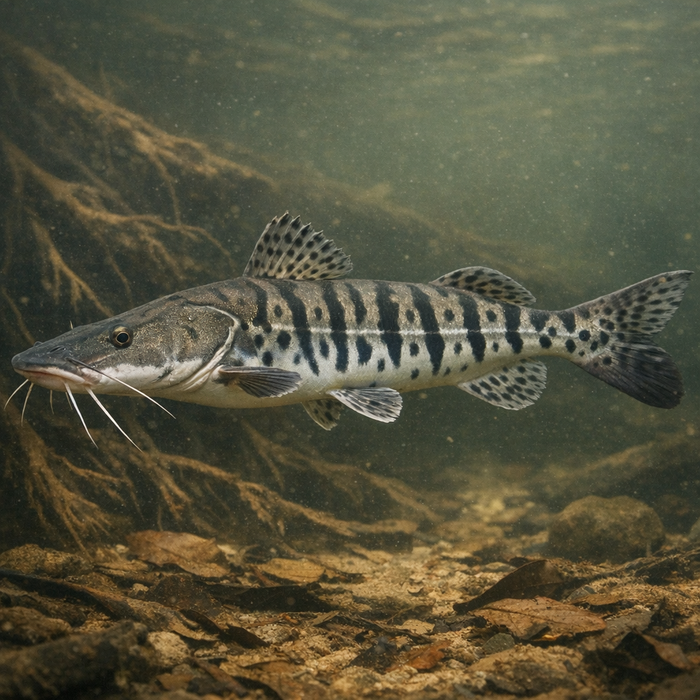
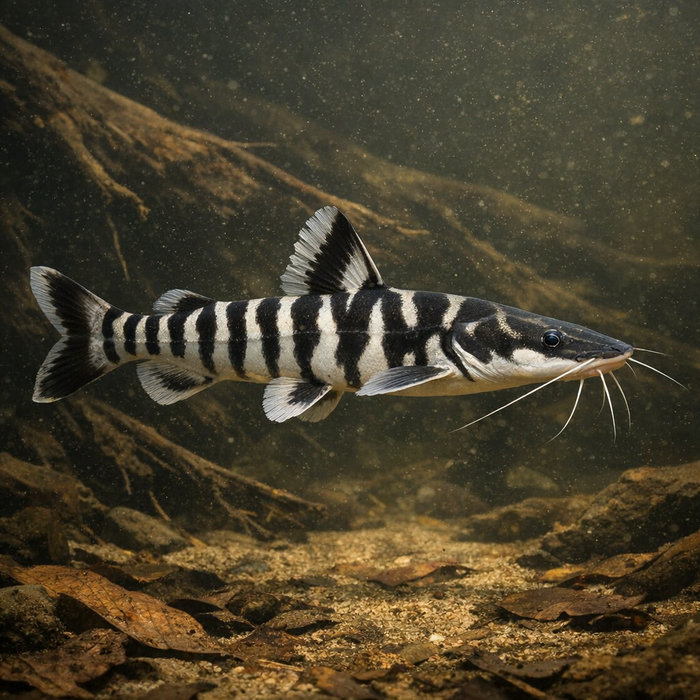
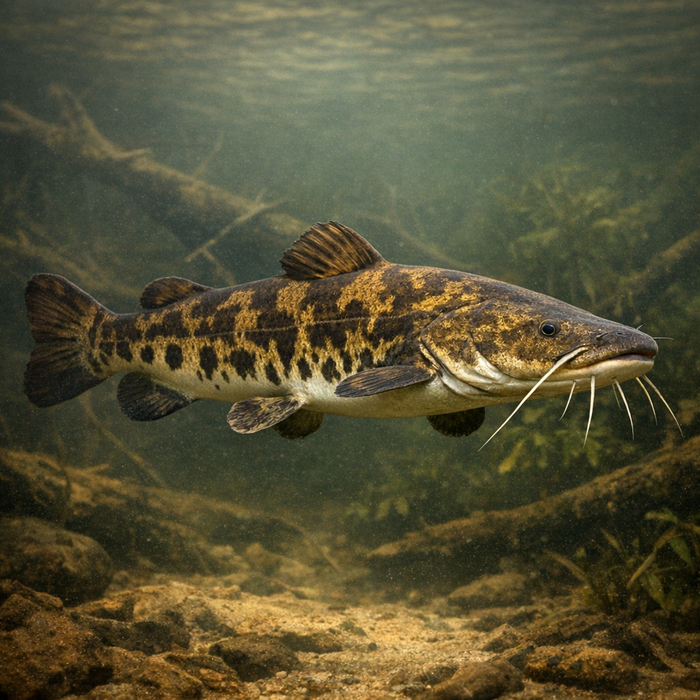
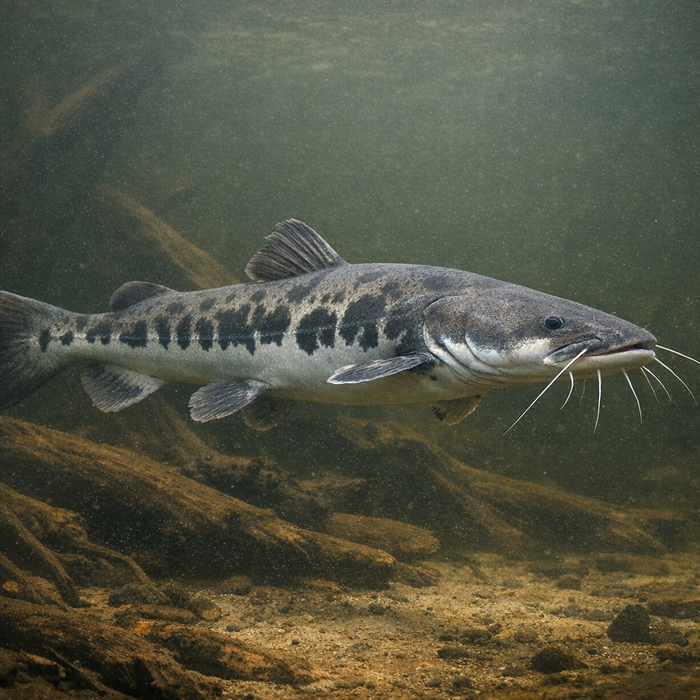
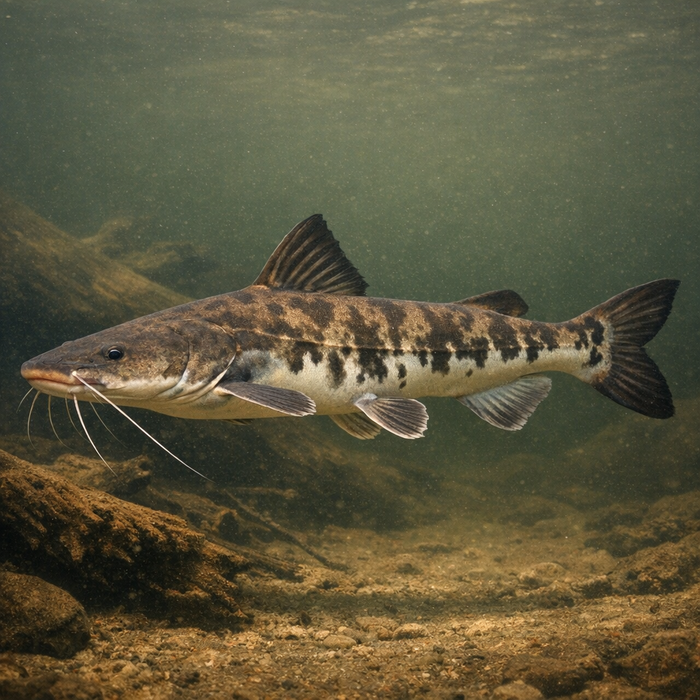
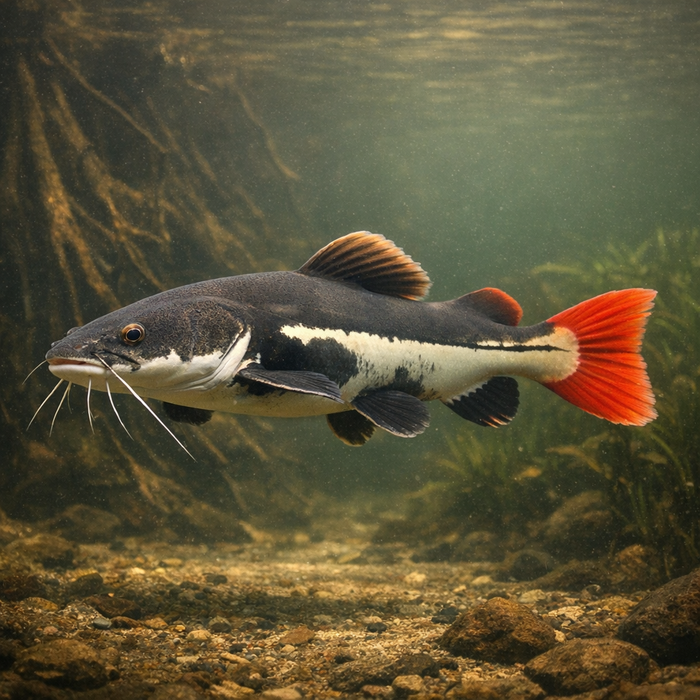
Slobbering catfish (Brachyplatystoma platynema): Slime, muscle, and river grit in one chrome torpedo.IntroductionIf you like your fish with horsepower and a little chaos, the slobbering catfish delivers. This South American pimelodid prowls the big muddy highways of the Amazon and Orinoco, where current is king and everything is built for speed. The name is no joke either; handle one and you will understand the slobbering part fast. Here's a full dose of Slobbering catfish facts for anglers who chase river bruisers.What Makes the Slobbering catfish Unique?First, the body plan screams current specialist: streamlined head, deeply forked tail, and long barbels that read the river like radar. Second, the slime. This fish throws a thick, ropey mucus when stressed, which slicks up nets and hands with zero regard for your gear. Third, it's a traveler. Like its big Brachyplatystoma cousins, the slobbering catfish uses seasonal flow pulses to move, feed, and stack up in predictable river zones. Together, these traits make the slobbering catfish a legit target for anglers willing to work big water.Habitat & Global RangeThe slobbering catfish lives in the heavyweight division of habitat: broad, turbid tropical rivers with deep holes, strong mid-channel current, and shifting sandbars. Think mainstems and major tributaries, not quiet creeks. Its range sits across northern South America, especially the Amazon and Orinoco basins, where flood rhythms decide everything. When the rivers rise, fish spread into the margins; when levels drop, they slide back to channels and concentrate along edges and holes. If you are scouting Slobbering catfish habitat, target current seams, dropoffs behind bars, and the fast, cloudy lanes that carry baitfish downstream.Behavior & TemperamentThis is a predator built for motion, feeding mostly by feel and vibration in stained water. The barbels constantly probe as the fish holds in current and ambushes passing forage. Bites can be freight-train violent or maddeningly subtle depending on flow, but once hooked, slobbering catfish dig for bottom and use the river as a weapon. They are not fussy about structure, but they relate to depth transitions and current breaks like religion. Low light and night often turn them on, though in heavy turbidity they will chew all day.Ecological ImportanceAs a mid-to-upper level predator, the slobbering catfish helps broker the endless forage stream drifting down these rivers. It translates small fish and aquatic life into catfish biomass, and in turn, supports local food fisheries. Its migrations mirror flood cycles, moving energy across huge distances. Where runs remain intact, this species is part of the engine that keeps floodplain-river ecosystems humming.Conservation & Environmental PressuresThe big South American rivers are changing. Hydropower dams fracture migrations, sand mining reworks channels, and overharvest pressures some catfish populations. Add mercury contamination from illegal mining and you have a risky cocktail for any long-ranging predator. The slobbering catfish is not usually the poster child like arapaima or giant gilded catfish, but it relies on the same free-flowing corridors. Good news: vast habitat still exists. Bad news: fragmentation can sneak up fast, one dam at a time. Wherever travel routes and spawning cues get scrambled, numbers slide and fish size follows.The FishyAF TakeThe slobbering catfish is a perfect litmus test for serious river anglers. It demands respect for current, logistics, and clean presentations with heavy gear. It is also gloriously unpretentious. No delicate casts, no "match the hatch." You are pinning bait to bottom in moving water and hanging on. When a slobbering catfish eats, you will feel it in your elbows. Want more Slobbering catfish facts? Here's the short: find the flow, trust the slime, and fish the edges where velocity meets depth. Do that, and the slobbering catfish will absolutely ruin you in the best way possible.