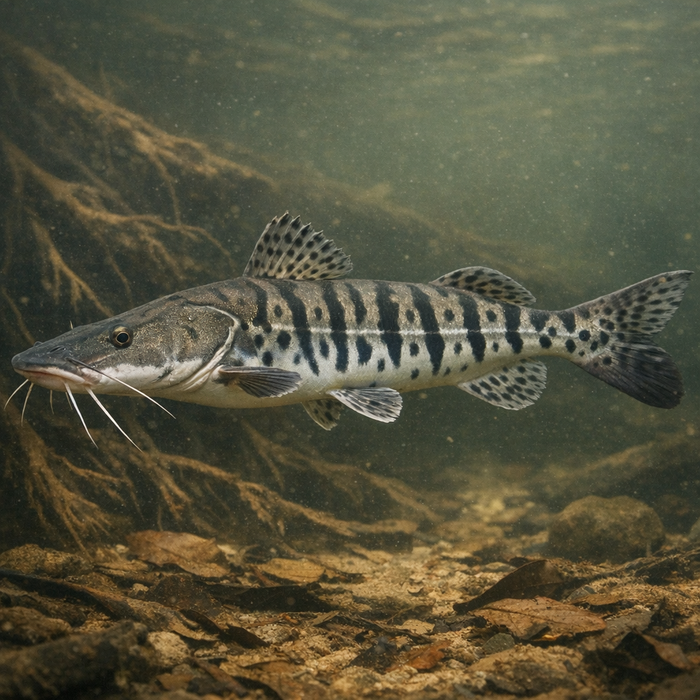
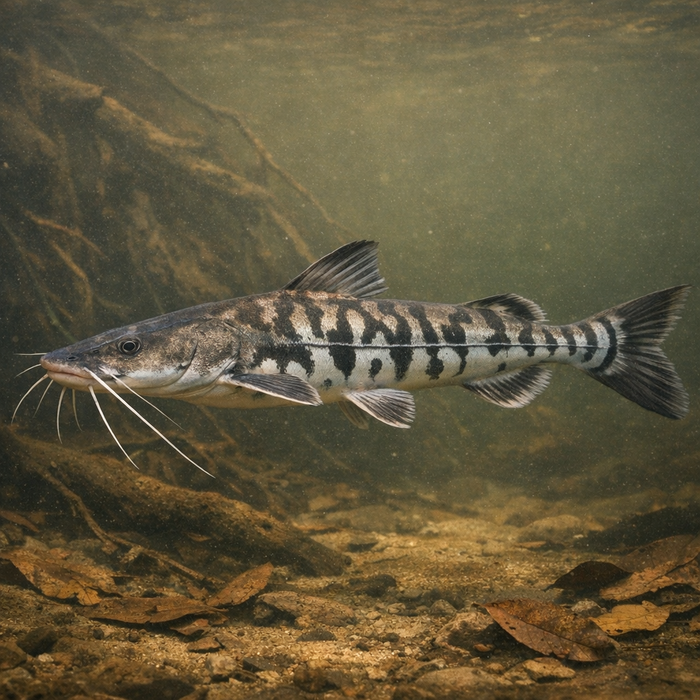
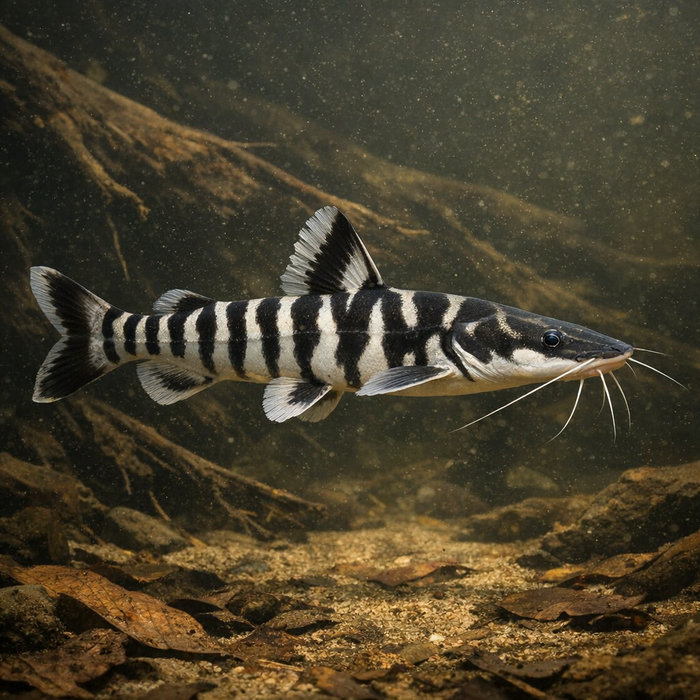
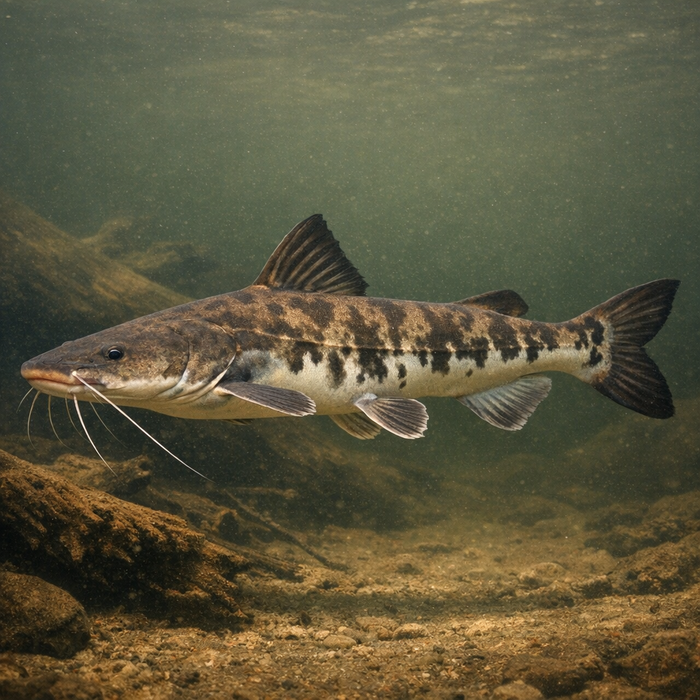
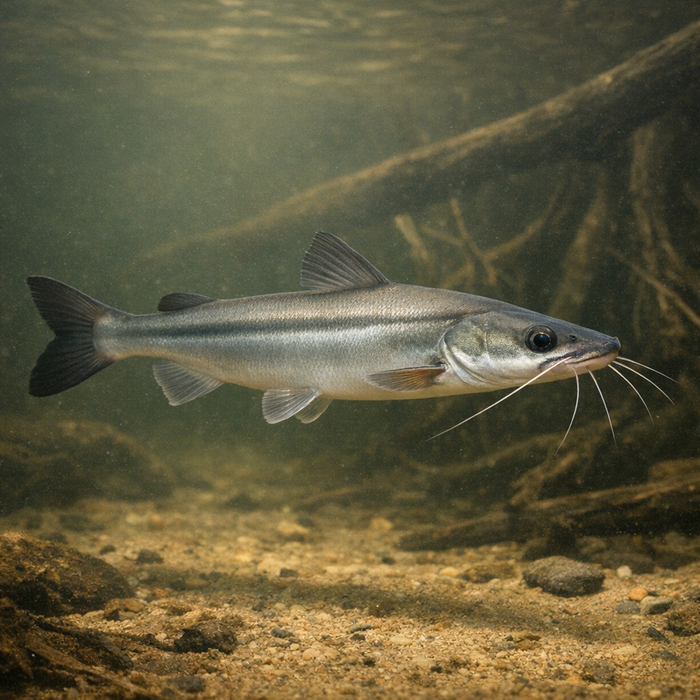
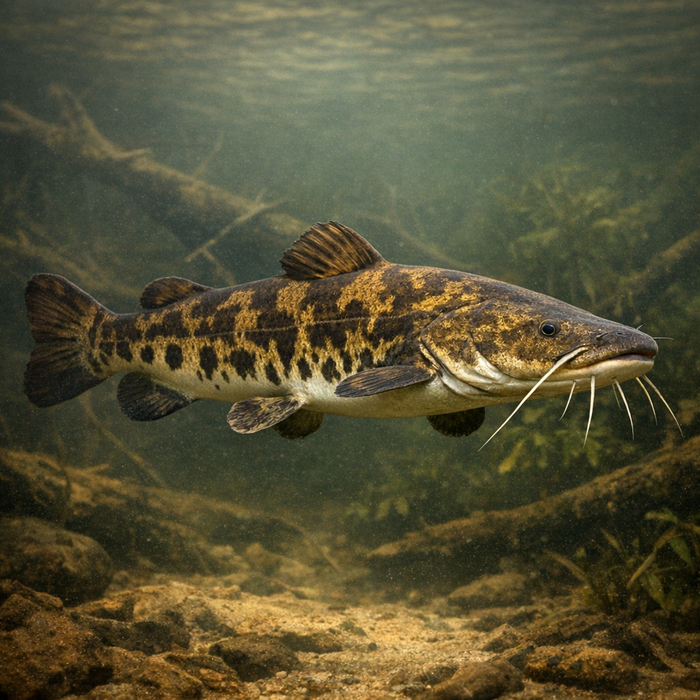
Kumakuma (Brachyplatystoma filamentosum): A Bold, Memorable Hook LineIntroductionThe kumakuma is the river's bouncer in a catfish suit. It owns deep bends, punishes weak knots, and laughs at undergunned tackle. If you're picturing a whiskered vacuum cleaner, think bigger. This is Brachyplatystoma filamentosum, a top-tier South American heavyweight that turns calm anglers into shaky-handed storytellers. If you came looking for real Kumakuma facts, settle in.What Makes the Kumakuma Unique?First, size. A mature kumakuma can push past eight feet and a couple hundred pounds, with a skull like a shovel and a body carved for current. Second, presence. Those long barbels and a lateral line tuned like a seismograph make it a master of turbid water, tracking prey and pressure changes you'll never see. Third, staying power. Fights are measured in long, grinding minutes where the fish simply refuses to acknowledge physics. You don't so much beat a kumakuma as negotiate with it.Habitat & Global RangeThis species is a creature of tropical big water, favoring the Amazon and Orinoco drainages and the Guianas. Kumakuma habitat means deep, pushing current, and sprawling channels where sandbars, ledges, and confluences create hydraulic traps. During seasonal flood pulses, bait movements reshape the river overnight, and kumakuma adjust, sliding between outside bends, scoured holes, and turbulent tongues below rapids. They're built for life in mocha-colored water, where sight gives way to feel, sound, and pressure.Behavior & TemperamentDespite their bulk, kumakuma are deliberate hunters. They cruise edges where the main flow meets softer water, waiting for confused prey to tumble their way. They rarely waste energy, but when they commit, the take is unapologetic. Hooked fish dig for bottom, use the current like a second engine, and surge in grinding arcs. Surface shows are rare; these are low-light, low-visibility operators. They're not picky divas, but they appreciate fresh, meaty offerings and don't mind waiting until twilight to make you earn your supper.Ecological ImportanceKumakuma sit high in the freshwater food web, keeping mid-level fish honest and shaping which species dominate certain channels. As apex predators, they carry ecological stories in their flesh, from flood timing to food availability. When they're present and healthy, the river's energy transfer from bait to bruiser is working. Remove them and you don't just lose a trophy fish; you bend the flow of nutrients and opportunity in a system that depends on balance.Conservation & Environmental PressuresOn paper, Brachyplatystoma filamentosum is often listed as Least Concern, but that headline doesn't tell the entire tale. Hydropower dams, long-range commercial effort, and flood-pulse alterations can pinch migrations, fragment habitat, and concentrate harvest. Add mercury concerns in certain basins and you've got a fish that can still be common locally while trending the wrong direction in places. Good lodges push selective harvest of smaller, faster-growing species and encourage in-water releases for big kumakuma, keeping the old genetics swimming.The FishyAF TakeThe kumakuma is the freshwater equivalent of a freight train with a mean streak, and we love it for that. It's not an every-weekend target for most anglers, but it's on the short list of bucket-list river brutes worth a plane ride. If you want clean, photogenic takes and aerials, go somewhere else. If you want power, grit, and a fight that tests knots, gear, and ego, this is your fish. Call it piraíba, lau-lau, or kumakuma-whatever the name, it's proof that the tropics still hide monsters. And if you came for Kumakuma habitat intel or more Kumakuma facts, here's the summary: heavy current, deep holes, fresh bait, and respect for a fish that didn't get huge by being dumb.