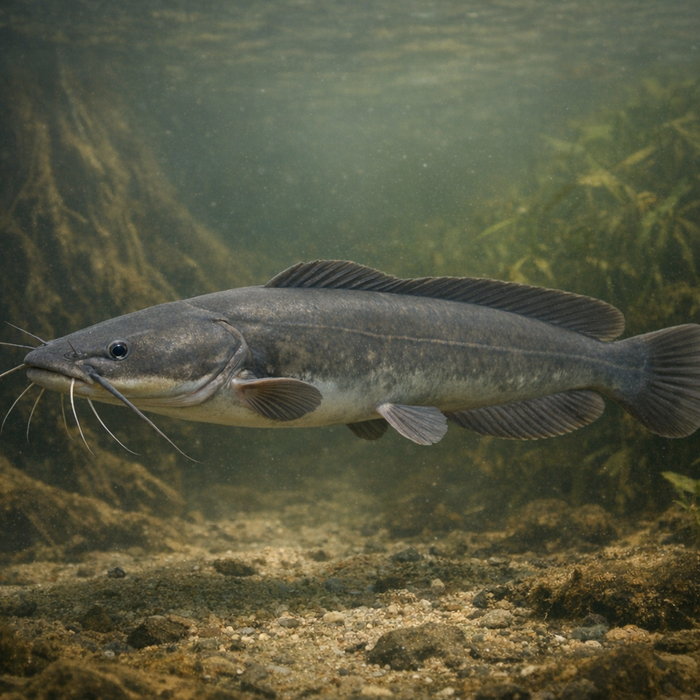
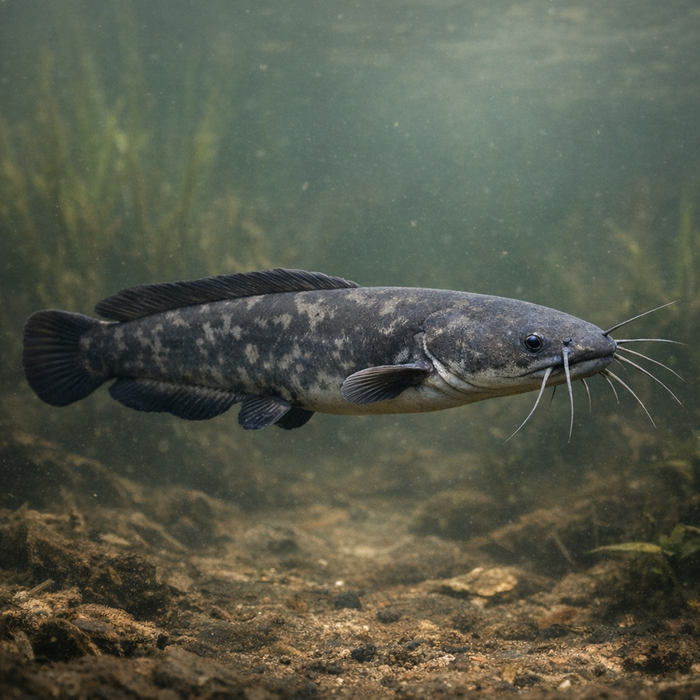
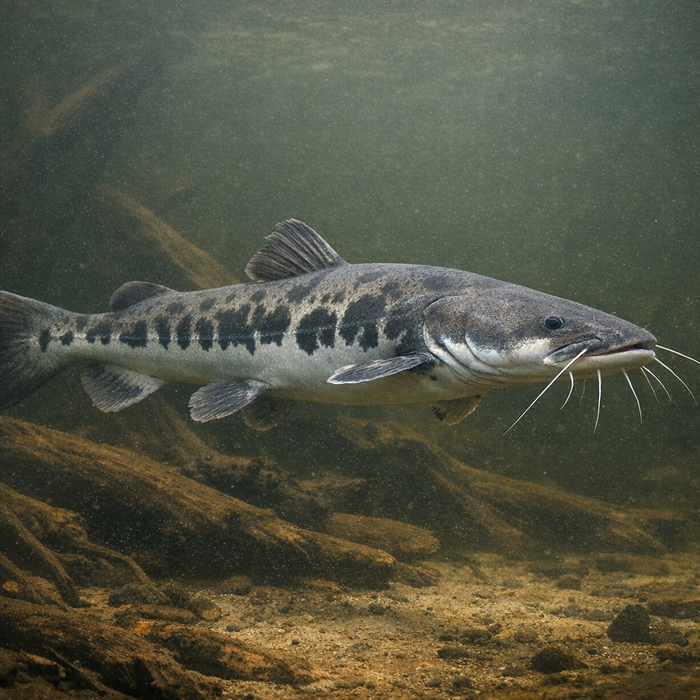
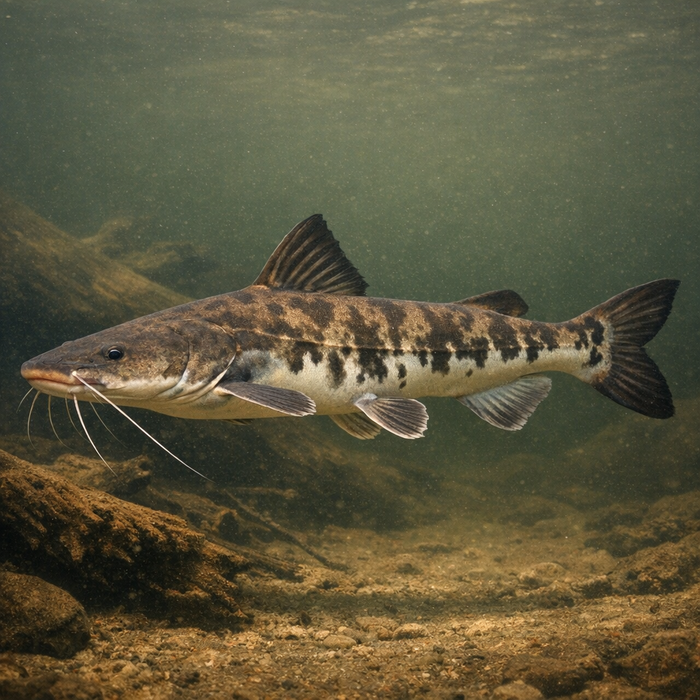
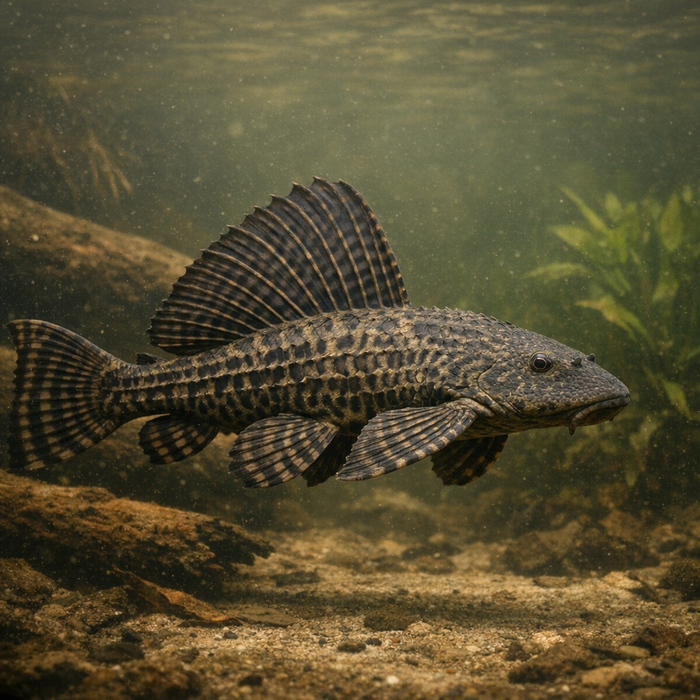
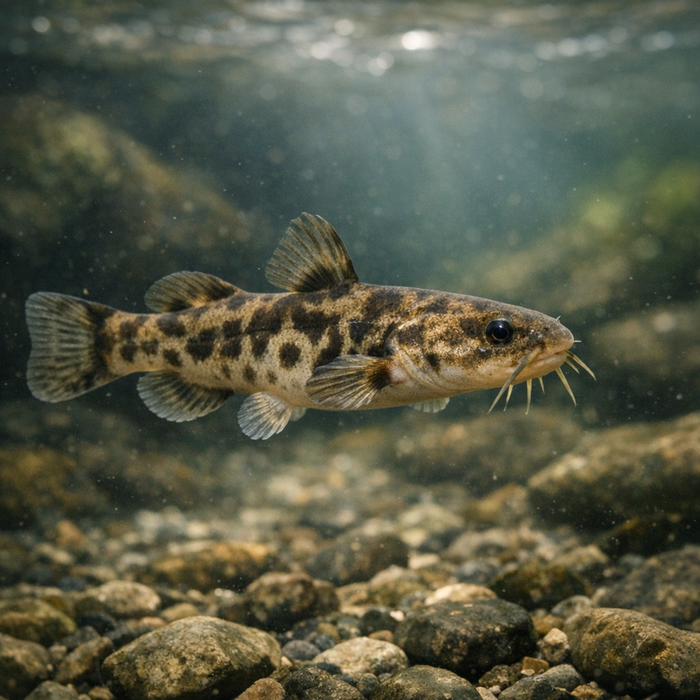
Atipa (Hoplosternum littorale): Armored, air-gulping mud ninja with a stubborn streak.IntroductionIf you like your fish tough, scrappy, and absolutely unbothered by filthy water, the Atipa is your spirit animal. This small armored catfish, famous in Trinidad as cascadura, is the survivalist of the ditch. It wears bony plates, breathes air when the water turns to soup, and still finds time to build foam nests like a tiny architect. Anglers who chase Atipa don't brag about drag-scorching runs; they brag about pulling fish out of places that barely qualify as water. If you're looking for Atipa facts that actually help you catch one, you're in the right muddy ditch.What Makes the Atipa Unique?Start with hardware. The Atipa is wrapped in interlocking scutes that feel like a medieval undershirt. Predators don't love chomping it, and bushes don't scratch it up. Then there's the respiratory party trick: it gulps air and absorbs oxygen through its gut, letting it thrive where other fish literally suffocate. For a grand finale, males build floating foam nests stitched with plant bits and guard them with comical bravado. All of that in a fish small enough to fit in your palm. Strange? Absolutely. Effective? You bet.Habitat & Global RangeAtipa habitat is a tour of lowland life: weedy ponds, rice canals, sluggish creeks, roadside ditches, floodplain pools, and the fringes of brackish backwaters. Think shallow, silty, and warm. It's common across northern South America and the Caribbean, especially on coastal plains and islands like Trinidad. Seasonal rains supercharge access to new puddles; dry spells push them into any pocket of water with a little cover. If it holds mud, bugs, and a breath or two of air, Atipa can make it home.Behavior & TemperamentAtipa is not a sprinter; it's a grinder. It patrols slowly along the bottom, whiskers sweeping like metal detectors. It'll nibble detritus, insect larvae, the odd snail, and whatever edible bits it bumps into. Despite the armor and spines, it isn't a brawler on the line. Expect short, bulldog pulses and a lot of stubbornness. The real action is at the surface when males guard those frothy nests. You'll also see the trademark gulp-n-go routine: quick trips topside for air, then back to rooting around.Ecological ImportanceThis little cat is nature's cleanup crew. By vacuuming the bottom and rummaging through decaying organics, Atipa recycles nutrients and helps keep shallow systems from turning into stagnant nightmares. It's also an important prey item for birds, reptiles, and larger fish that know how to handle spines and armor. In some places, its bubble-nest habits add valuable microhabitats for insects and early-stage fish, a small but real boost to floodplain productivity.Conservation & Environmental PressuresThe species is listed as Least Concern and is locally abundant, thanks to its tolerance for lousy water and low oxygen. Still, it's not bulletproof. Pesticide runoff from agriculture, channelization, and wholesale wetland loss can nuke entire ditch networks. Overharvest isn't typically the issue; habitat death is. When the ditches and floodplain potholes vanish, so do your Atipa. Luckily, basic wetland protection and smarter runoff control go a long way for this rugged fish.The FishyAF TakeThe Atipa is proof that charisma doesn't require chrome sides or aerial acrobatics. It's a dirt-under-the-fingernails fish that wins with grit, not flash. Want a fancy fight? Pick another target. Want guaranteed action, hilariously resilient biology, and a window into the true backyard marsh game? Bring an ultralight rod, a handful of worms, and a willingness to fish water you'd usually step over. Catch one and you'll get it: armored zen with barbels.