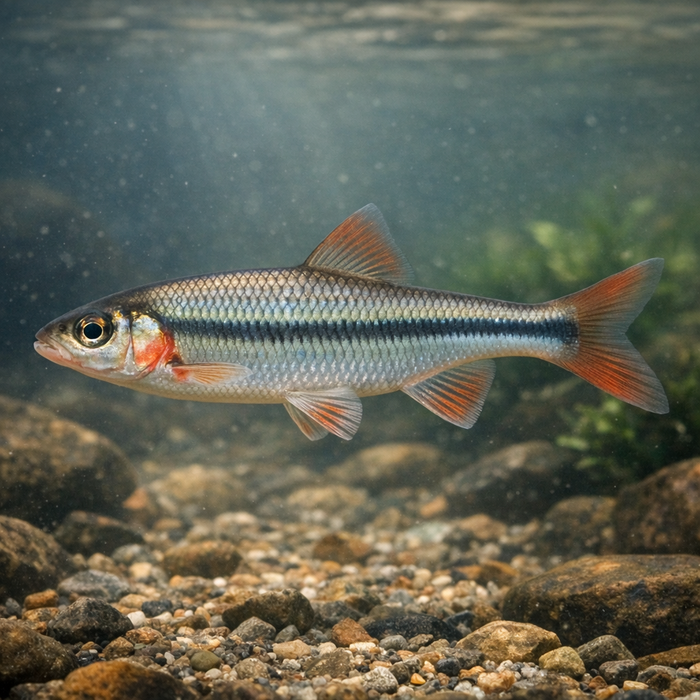
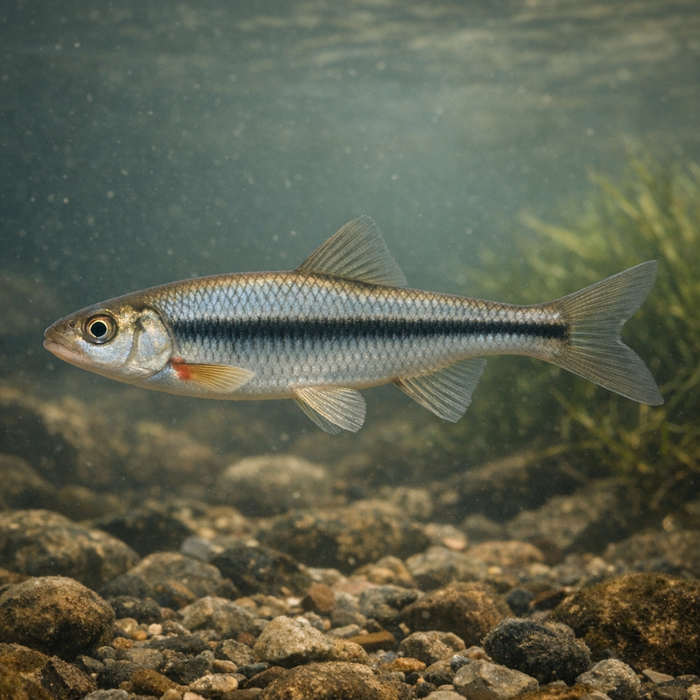
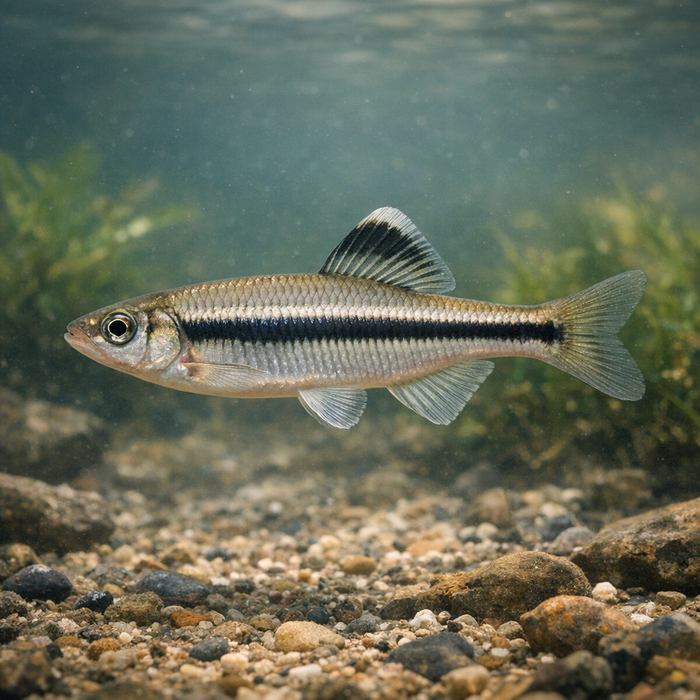
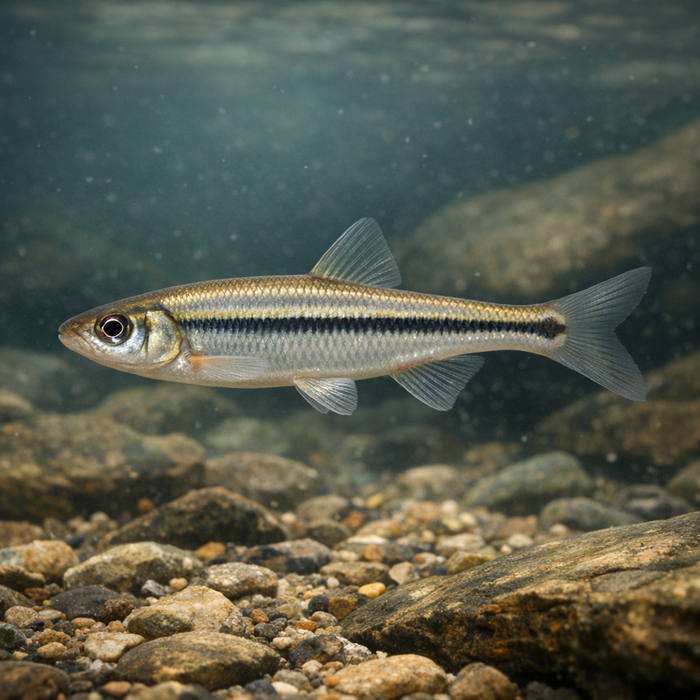
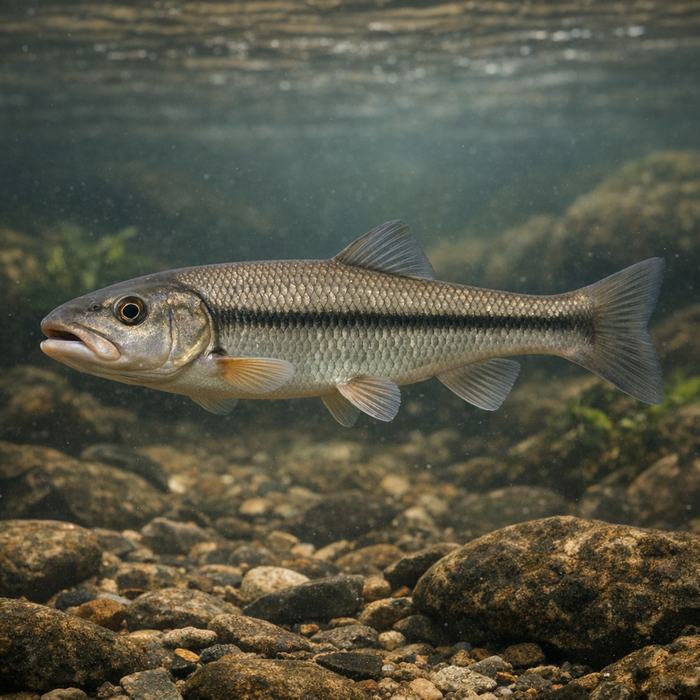
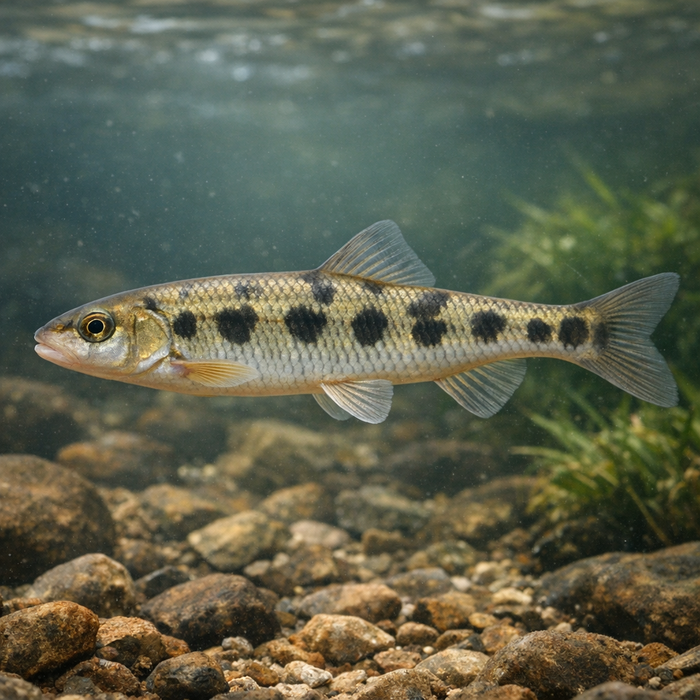
Prairie Chub (Macrhybopsis australis): The microfish that thrives where sand moves and visibility doesn't.IntroductionIf your idea of fishing is only big hooks and bigger bragging rights, the prairie chub will reset your compass. This is a fast-water micro that wins with stealth and sand. The prairie chub darts along grainy dunes in turbid Great Plains rivers, flickering like quicksilver. It's tiny, twitchy, and ridiculously tuned to current. For anglers curious about Prairie chub facts, or anyone exploring Prairie chub habitat, this species shows how life in muddy rivers is anything but simple.What Makes the Prairie chub Unique?First, it's a sand specialist. The prairie chub is shaped like a current line: slim, low-mouthed, and built to sift tiny prey from moving substrate. Second, its eggs don't just sit; they drift. Semi-buoyant during early development, they ride the flow before settling into calmer margins, letting the species rebound after floods and rearranged channels. Third, its life is quick. Many individuals only live a couple of years, capitalizing on boom periods when spring pulses fire up productivity.Habitat & Global RangeDespite the name sounding expansive, the prairie chub's world is focused: turbid, sandy rivers of the southern Great Plains, especially the Red River system and tributaries that behave like sand conveyors. These waters aren't aquarium pretty, but they're alive. Riffles over shifting bars, shallow runs with chop, and island tips with crosscurrents are prime beats. Depth is often shin-deep. The fish is built for living where visibility drops to inches and the bottom never stops moving.Behavior & TemperamentPrairie chub schools roam like tiny flocks, flowing along seams and low dunes, then settling to rest as the current slackens. Spawning often tracks spring and early-summer pulses; brief bumps in flow can trigger flurries of activity, then just as quickly go quiet. When threatened, schools sink and lock up, camouflaging flawlessly in the sand. Feeding is quick-hit and opportunistic, keyed to drifting invertebrates stirred loose by current. They aren't bruisers, but they're cagey. Spook them and they vaporize into the riverbed.Ecological ImportanceThis minnow is a glue species in prairie rivers. By hoovering up tiny invertebrates and converting them into fish flesh, prairie chub fuel bigger fish and birds. Semi-buoyant eggs and a short life cycle make them resilient to the boom-and-bust hydrology of plains streams. That drifting-egg strategy also spreads risk; if one bar scours out, more young settle elsewhere. Think of them as river routers, moving energy across riffles, runs, and backwaters.Conservation & Environmental PressuresThe prairie chub's biggest enemies are the slow, steady ones: dams, diversions, and chronic sediment or pollution issues that flatten the natural pulse. Lock a river into lake mode and sand specialists struggle. Clear it up too much, or starve it of current, and the engine that drives their feeding and spawning stalls. Local protections may vary, and status assessments change as new surveys roll in. In most places, the best action is leaving habitat intact and flows seasonal.The FishyAF TakeFor anglers willing to scale down, the prairie chub is a master class in subtlety. You don't muscle these fish; you read current, track seams, and micro-present. It's not about trophies. It's about learning to see a river's fine print. Once you spot a school flashing along a sand wave and fool one on a midge-sized morsel, you'll realize why microfishing is addictive. The prairie chub proves that even the muddiest water has nuance-and plenty of attitude packed into three inches.