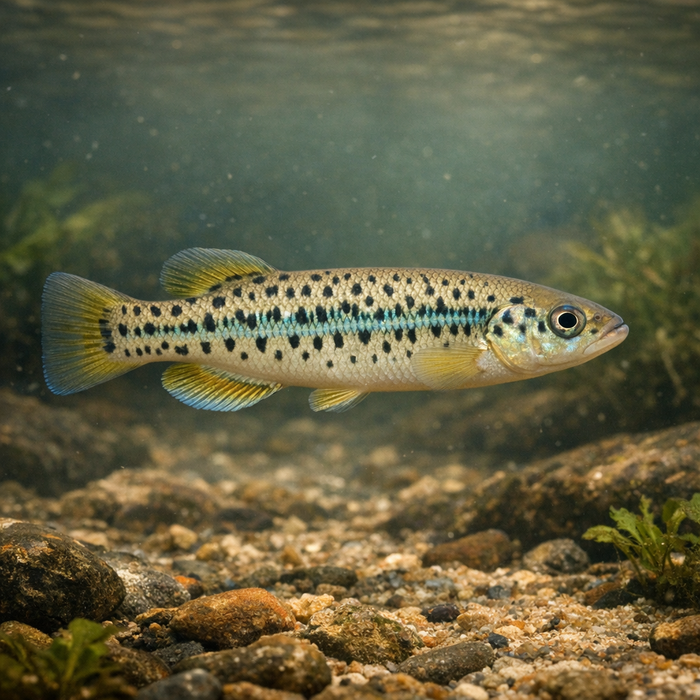
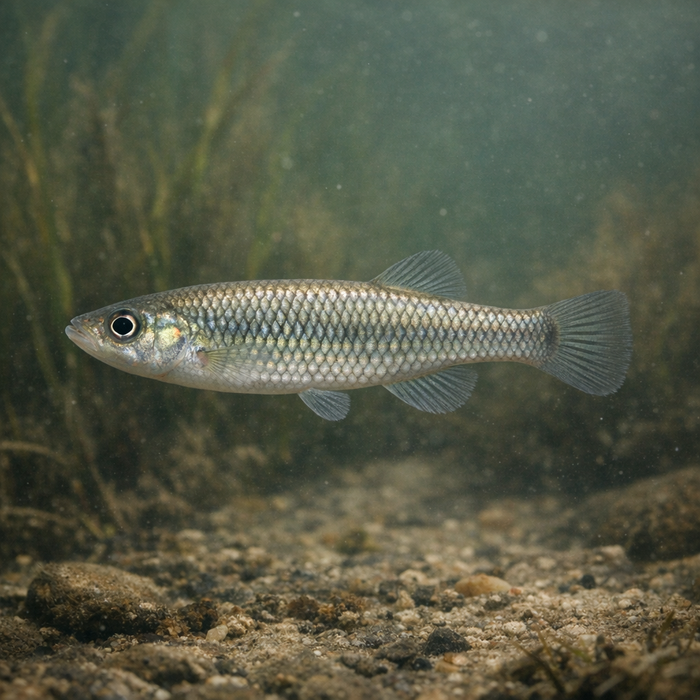
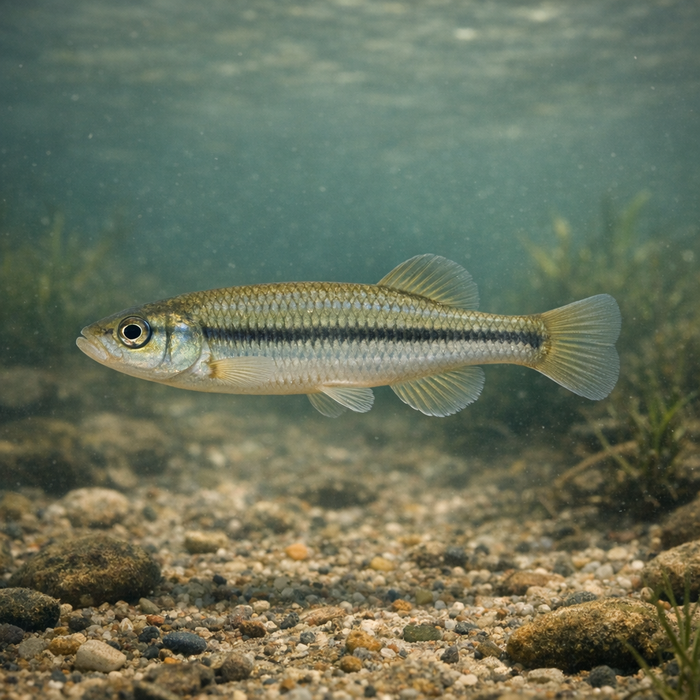
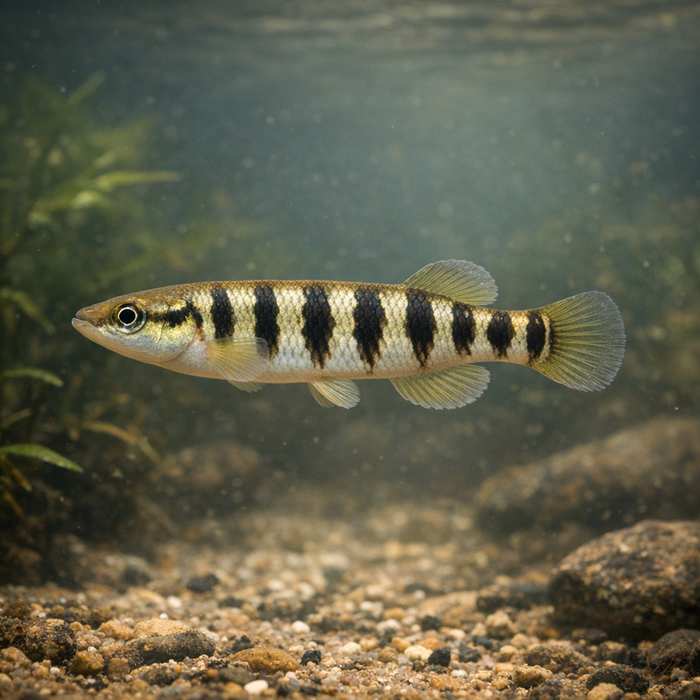
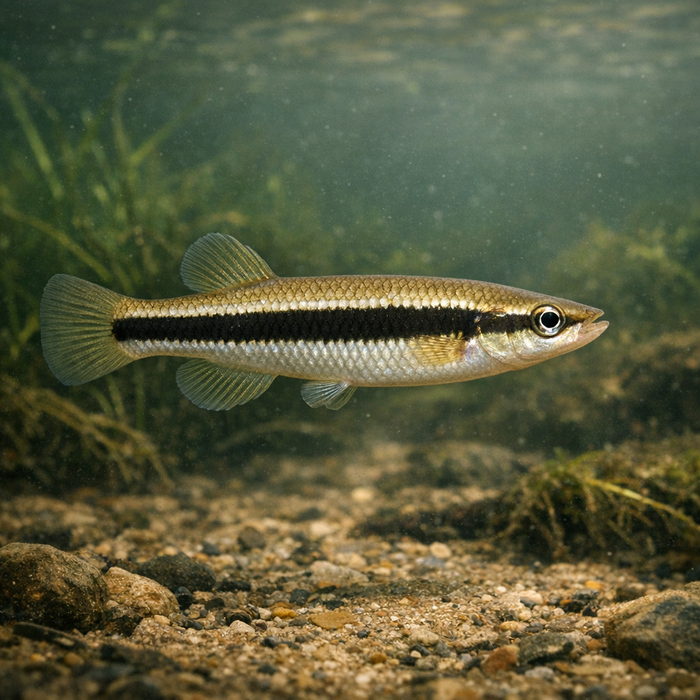
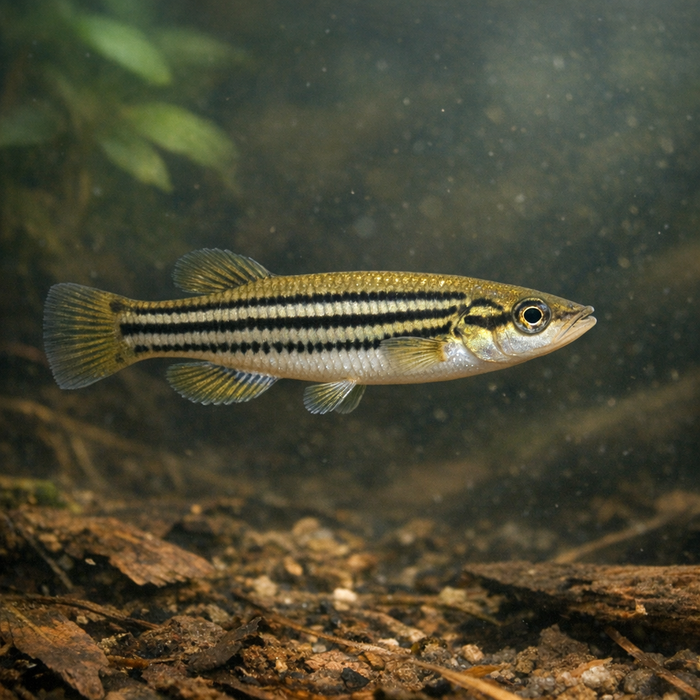
Pygmy killifish (Leptolucania ommata): Small Fish, Big AttitudeIntroductionThe pygmy killifish is the freshwater equivalent of a scalpel: tiny, precise, and shockingly capable. Blink and you'll miss it ghosting through tannin-stained water, then flicking sideways like a static glitch. For anglers who like a challenge that fits on a thumbnail, this is your micro unicorn. It's one of the smallest true fishes in North America, but it carries itself like a predator cranked down to 1:20 scale. If you're here for Pygmy killifish facts or curious about Pygmy killifish habitat, buckle up. This one punches well above its size.What Makes the Pygmy killifish Unique?First, scale. Most adults measure under 1.3 inches, with a body so translucent you can sometimes trace yesterday's snack. Second, it's the lone species in its genus, which is a neat biological mic drop. And third, the design brief is all surface warfare: an upturned mouth, a tendency to hang just under the film, and start-stop darts that look like a malfunctioning cursor. Males in spawning mood show subtle, electric edging on their fins, a flash of color in the tea-dark water that feels like a secret handshake.Habitat & Global RangeThe pygmy killifish is a Southeastern specialist. Think blackwater creeks, swamp ditches, leaf-choked sloughs, and quiet backwaters shaded by cypress and gum. The water is often the color of strong tea, filtered by decaying leaves and low in minerals. Dissolved oxygen runs lean. Plants are everything here: fine stems, root tangles, and surface mats where microinvertebrates collect. Within this niche, the pygmy killifish thrives. If you're scouting new water, seek slow flows, dark tannins, and a maze of vegetation. That's classic Pygmy killifish habitat.Behavior & TemperamentDespite the cute packaging, this fish is a hunter. It patrols micro-edges and the meniscus, striking at tiny larvae and drifting specks with sniper timing. Movements are sudden and exact. They're cautious, too; shadows make them vanish into structure like spilled mercury. Schooling is loose, more like a tiny neighborhood than a tight pack. Spawning is a serial affair, with eggs tucked into fine vegetation over days rather than dumped all at once. Activity ramps up in warm water and under soft light, which is why evening glass-calm pools can feel alive with flickers.Ecological ImportanceThe pygmy killifish is a small cog with big consequences. It converts clouds of microinvertebrates into calories for everything higher up the food web, from juvenile sportfish to wading birds. Its taste for mosquito larvae makes it a stealth ally in swamp country. And because it demands clean, well-structured backwaters, healthy pygmy killifish populations often signal intact floodplain and wetland function. In short, protect the ditch and you protect the river. This fish is proof that edge habitat isn't extra; it's essential.Conservation & Environmental PressuresOfficially, the species sits comfortably as Least Concern, but that label can hide fragility. The fish relies on a very specific recipe: tannic water, vegetation, and gentle flow. Drain the swamp, pipe the ditch, clear the shoreline, or blast it with herbicide, and the lights go out fast. Runoff from roads and lawns can swing water chemistry beyond what this species tolerates. Drought that stalls floodplain connectivity also trims available nursery habitat. The good news: where wetlands are respected, this fish tends to bounce back.The FishyAF TakeIf bass are linebackers and trout are quarterbacks, the pygmy killifish is the scrappy slot receiver that always gets open. It's the perfect microfishing test: soft touch, precise placement, and saintly patience. There's no drag-screaming run here, just the satisfaction of solving a puzzle you need a magnifier to see. You learn to read shade angles, to trust tiny currents, to think like a fish that weighs less than a paperclip. Nail that, and every other finesse bite suddenly gets easier. Small fish, big upgrade to your angling brain.