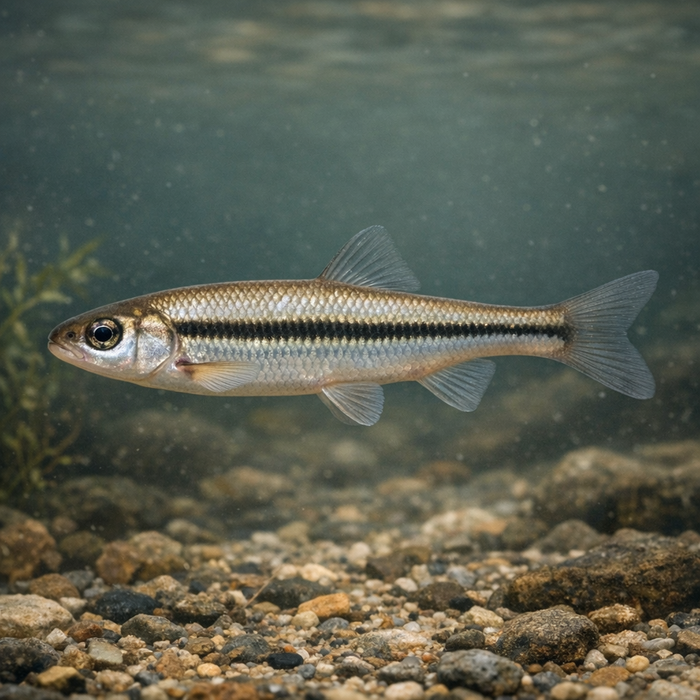
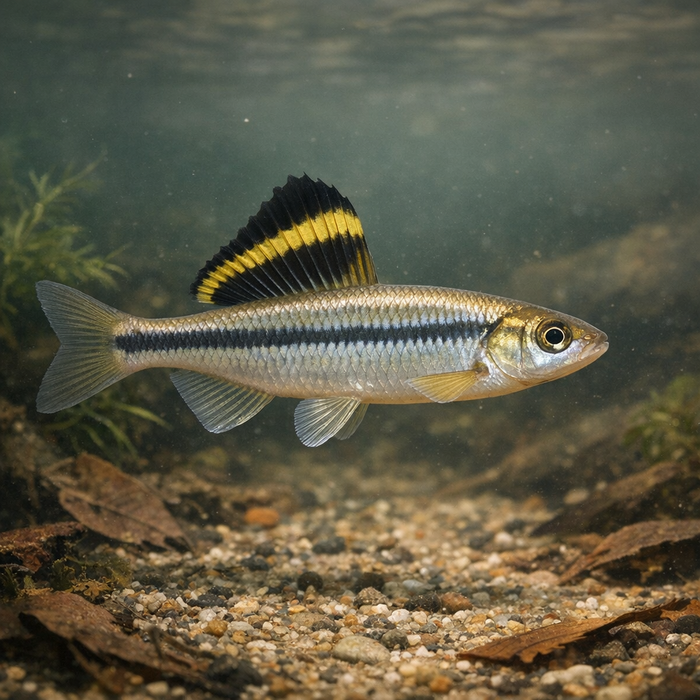
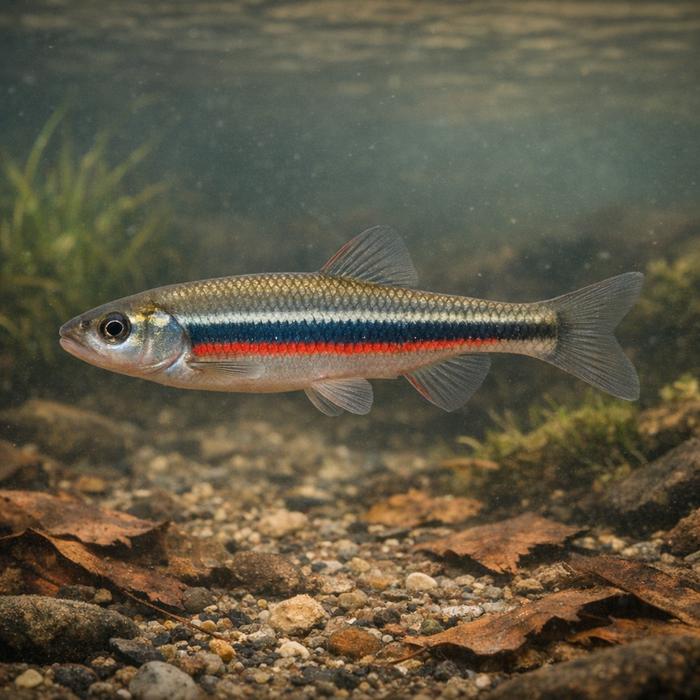
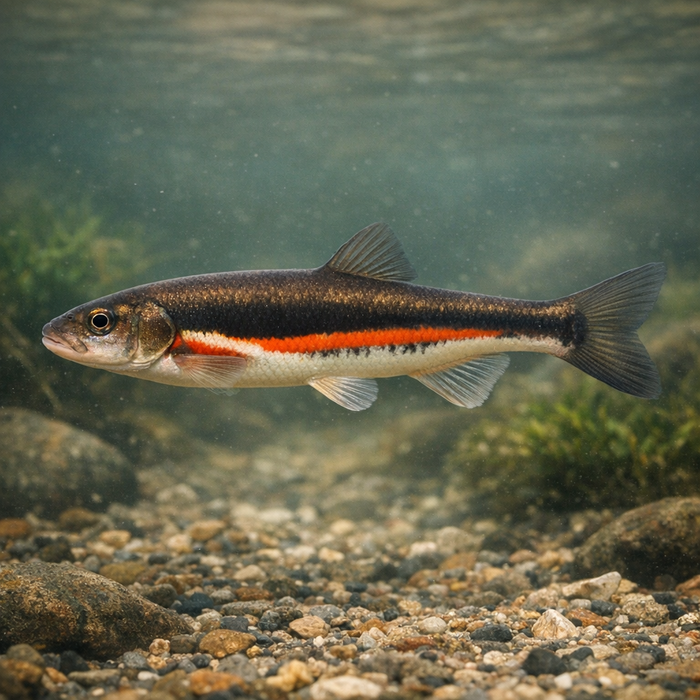
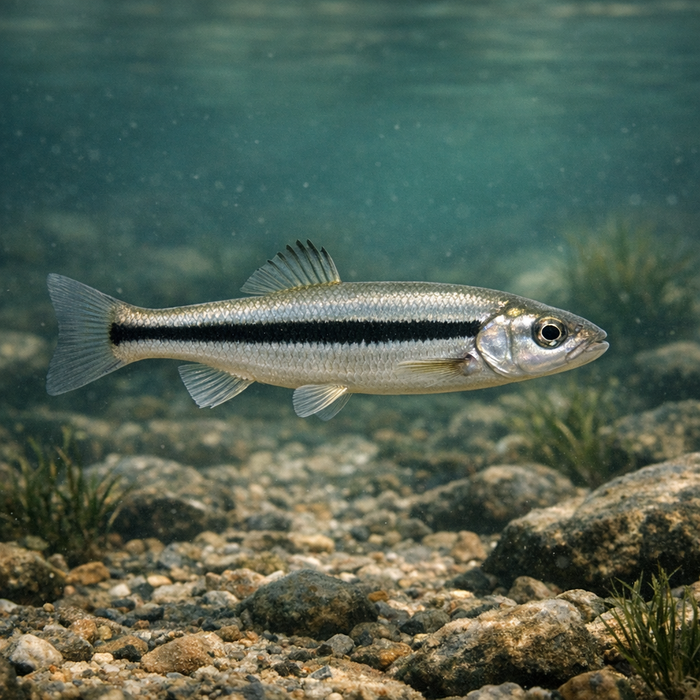
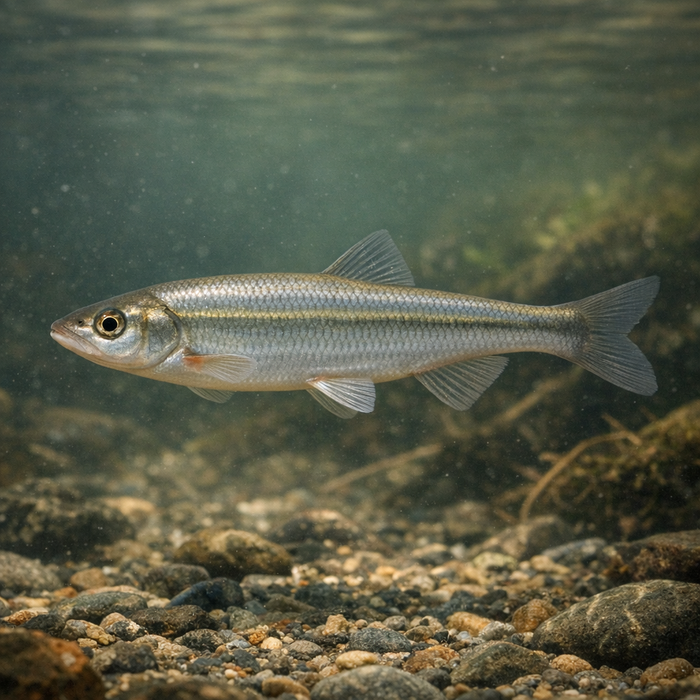
Rough Shiner (Alburnops baileyi): Small Fish, Big PersonalityIntroductionThe rough shiner is the silver flash that turns a sleepy Southern creek into a living kaleidoscope. It's tiny, twitchy, and perfect for anyone who appreciates the challenge of fooling fish measured in inches, not pounds. If bass are bruisers and trout are prima donnas, the rough shiner is the scrappy speedster stealing the show in the background. For anglers curious about microfishing, or anyone hunting authentic Rough shiner facts without the academic yawn, this little minnow delivers more action than its size suggests.What Makes the Rough shiner Unique?Start with the name. During spawning season, males grow tiny keratin tubercles that make them literally feel rough. Add in a subtle makeover: amber-washed fins, a sharpened midline stripe, and that polished, chrome body that throws sunlight like confetti. Finally, the rough shiner's schooling game is elite. Dozens align nose-to-tail in current, pivoting in perfect formation to outmaneuver predators and swipe drifting snacks. They're built for current, built for speed, and built to confuse anything that tries to eat them.Habitat & Global RangeThe rough shiner is a Southeastern U.S. special, a creature of small to medium creeks, clear runs, and gentle rivers that ultimately feed the Gulf. Think clean gravel, sand, and moderate flow with plenty of dissolved oxygen. You'll spot rough shiner habitat where riffles spill into pools, along current seams, and on sunny edges where aquatic plants soften the flow. In droughts or floods, they shift around, stacking into deeper pools during tough conditions and spreading across riffles when flows normalize. If you're scanning Rough shiner habitat, prioritize creeks with stable water clarity, low sediment, and intact riparian cover.Behavior & TemperamentSkittish is the default. The rough shiner is built for survival by awareness and group strategy, not brute strength. They feed midwater, plucking drifting invertebrates and organic bits with quick darts and fast recoveries. When the light softens morning or evening, schools slide shallower and the whole creek looks alive. In spawning season, they crank up the energy and move onto clean gravel, where males spar and posture like tiny gladiators. While many fish sidle up to structure, rough shiners trade heavy cover for formation flying in the open, using speed and numbers to survive.Ecological ImportanceSmall fish, huge impact. Rough shiners fuel the creek food web from both directions. They vacuum up invertebrates and detritus, then pay it forward as prey for bass, sunfish, and anything with a mouth wide enough. Their schooling keeps energy moving through the system, and their love for clean gravel makes them a natural barometer for stream health. When rough shiners thrive, the whole neighborhood of darters, madtoms, and sunfish tends to look lively too.Conservation & Environmental PressuresWhile not at the center of conservation headlines, the rough shiner depends on clean, flowing water and natural sediment budgets. Silt-choked riffles, stormwater surges, and channelized banks hammer their spawning zones and reduce insect life. Add in bait-bucket transfers and misidentification, and you get messy data that can hide declines. The fix isn't complicated: protect riparian buffers, keep gravel clean, and maintain natural flow variability. If those boxes are checked, rough shiners usually hold their ground.The FishyAF TakeThe rough shiner is microfishing's gateway drug. It's common where it belongs, picky enough to be interesting, and ridiculously satisfying on threadlike tackle. If you want pure, simple creek fun with a side of biology, chase a school of rough shiners at daybreak and watch the water wake up. You'll learn to read seams, cast tiny, and appreciate how much life buzzes under that quiet surface. Call it a warmup act if you want. We think it steals the show more often than the headliner ever knows.