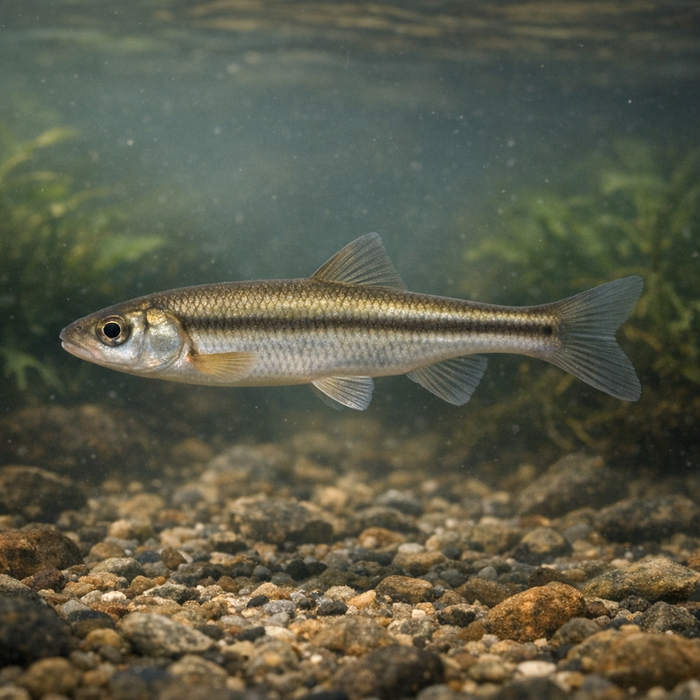
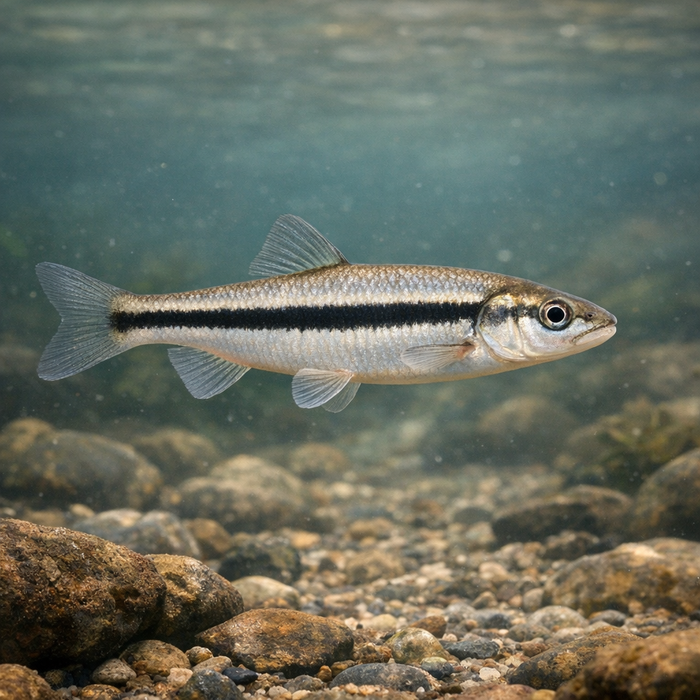
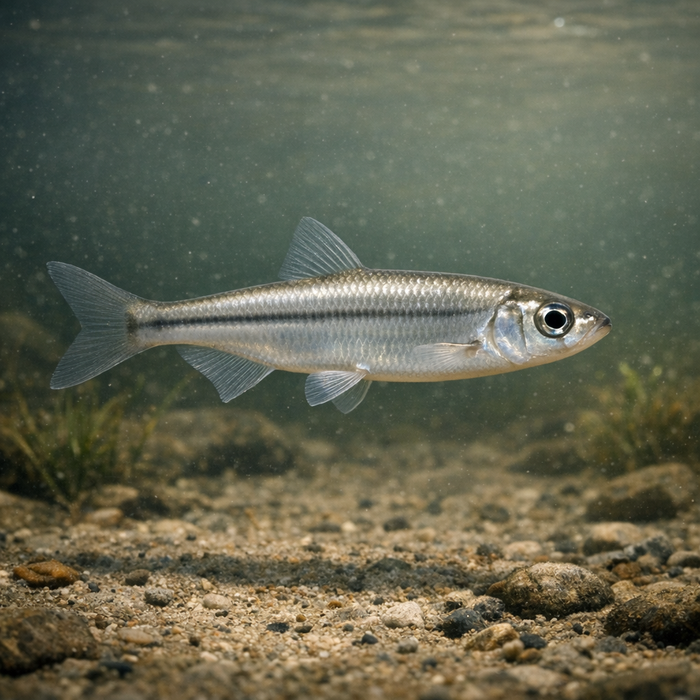
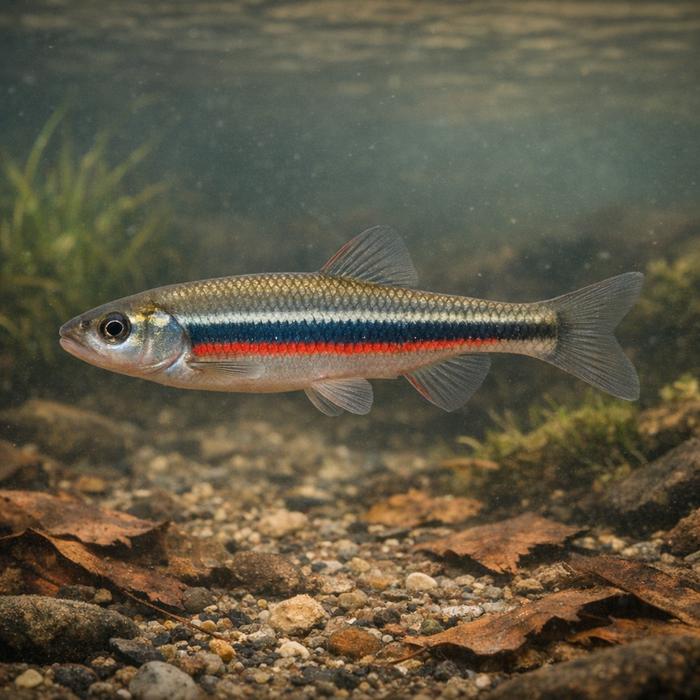
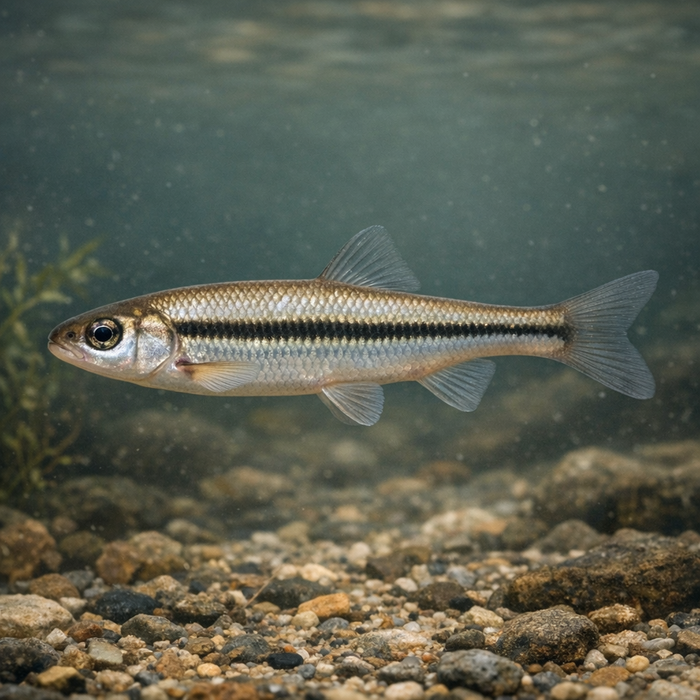
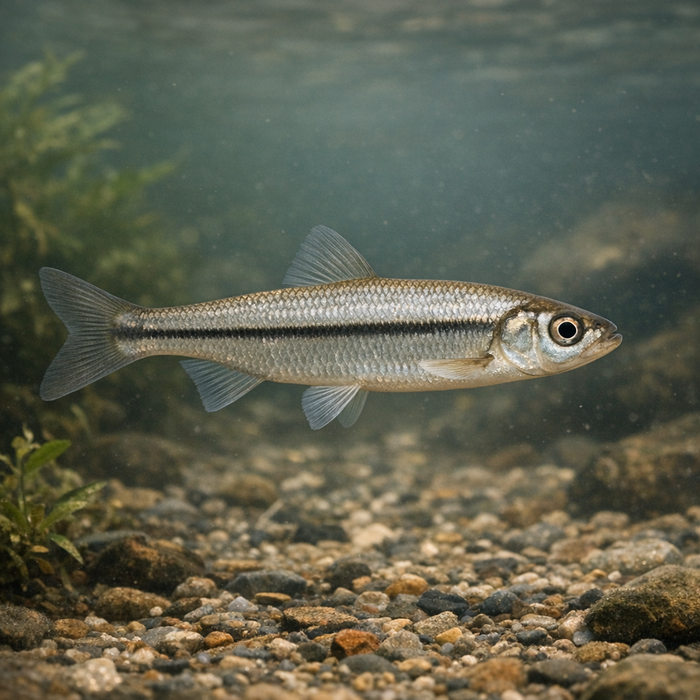
Mountain Redbelly Dace (Chrosomus oreas): A pint-sized neon sign for pristine creeksIntroductionThe mountain redbelly dace punches way above its weight class. It's tiny, flashy, and fussy about water quality, which makes it a perfect mascot for clear Appalachian streams. Trout anglers bump into them while sneaking up riffles, and micro nuts show up just to admire those ridiculous breeding colors. If you're hunting Mountain redbelly dace facts or trying to dial in Mountain redbelly dace habitat, you're in the right creek.What Makes the Mountain redbelly dace Unique?Three things: color, community, and honesty. First, a breeding male mountain redbelly dace looks like it swallowed a neon sign. The lower half blazes lipstick red, framed by two hard black stripes and warm golden tones. Second, they're nest associates, meaning they often drop eggs into gravel mounds built by stream chubs. Let the neighbors do the heavy lifting, then enjoy better egg survival in cleaned, lifted substrate. Third, they're honest about water. The species only thrives in clean, cool, well-oxygenated flow. If a creek holds healthy schools of this fish, something is going very right upstream.Habitat & Global RangeThe mountain redbelly dace lives in small, rocky, spring-fed creeks through the Appalachian and adjacent highlands. Think ankle to knee-deep riffles and gentle pools braided by rootwads and cobby gravel. They like shade, clear water, and modest current with pockets to rest behind rocks. Microshifts within a watershed are common: schools will work up into riffles and chub mounds during spring, then slide back to calmer edges and pool tails when summer lowers the water. Geographic range is regional rather than continental, which concentrates the best fishing in Virginia, West Virginia, and parts of North Carolina and Tennessee.Behavior & TemperamentThis is a schooling, midwater hoverer with a hair-trigger spook reflex. One shadow, gone. Get still, and they drift back, pecking at micro-invertebrates and biofilm like tiny vacuum cleaners. During the spawn, males square off and flash like traffic lights, then sprint over gravel in quick bursts. They aren't bruisers, but they're surprisingly patternable for their size: hold near current breaks, slide along shade lines, sip surface bugs when the hatch is right, and race to cover when danger shows. Their mouth is microscopic, so any bait or fly must be equally downsized.Ecological ImportanceThe mountain redbelly dace is a small but mighty cog in stream food webs. It converts biofilm, algae, and drifting insects into bite-sized protein that fuels trout, bass, and wading birds. By spawning over chub nests, it taps into a neighborhood effect that elevates recruitment for several species sharing the same real estate. Because it's sensitive to silt, heat, and chemical inputs, its presence telegraphs a healthy watershed. Think of it as the fluorescent canary of cold creeks.Conservation & Environmental PressuresOfficially, the species sits in decent shape, but it lives close to the edge-literally. Headwater creeks are the first casualties of bad forestry, sloppy development, and heavy storm runoff. Silt buries gravel, fertilizers supercharge algae, and summer low flows jack up temperatures. A creek that loses its mountain redbelly dace is sending warnings about everything else in the system.The FishyAF TakeThe mountain redbelly dace isn't about grip-and-grin glory. It's about sneaky wades, skinny water, and colors that look edited even when they're not. If you want a litmus test for a trouty, happy creek, this fish delivers. Put a tiny fly where it belongs, don't stomp the riffle, and watch living confetti swirl back into view. Small fish, big vibes, zero apologies.