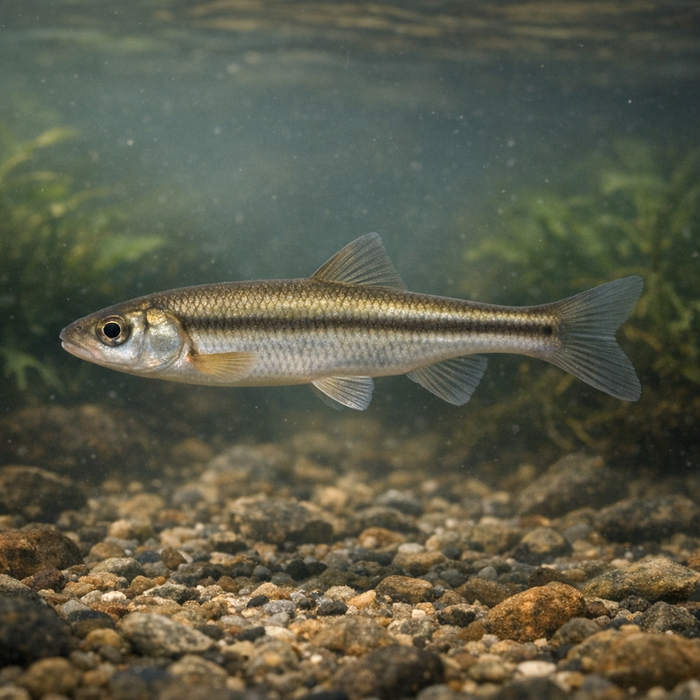
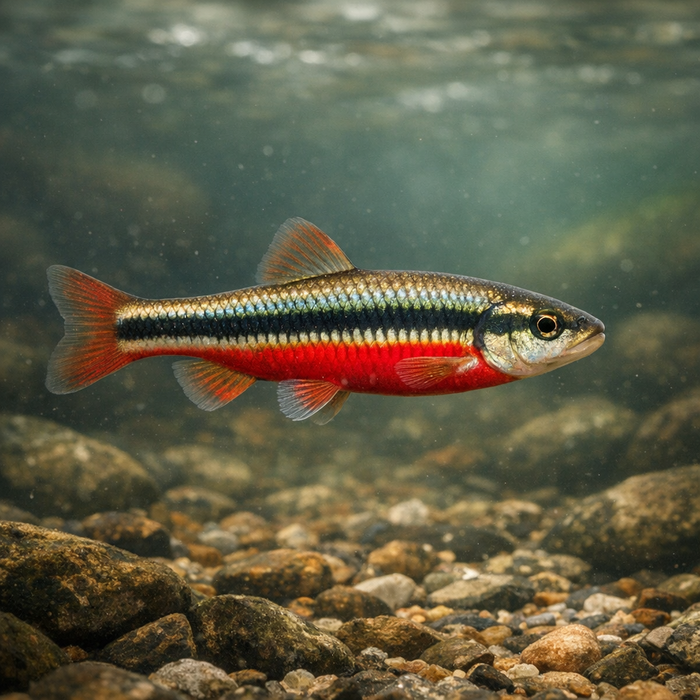
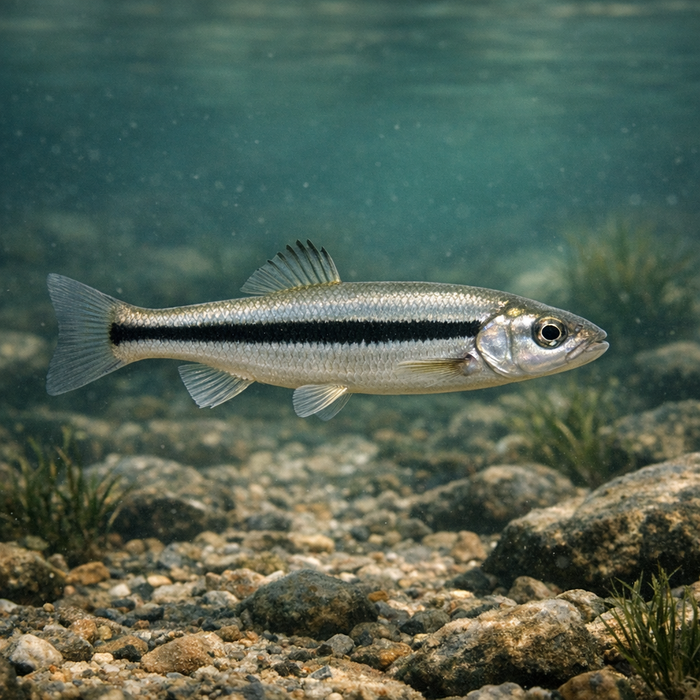
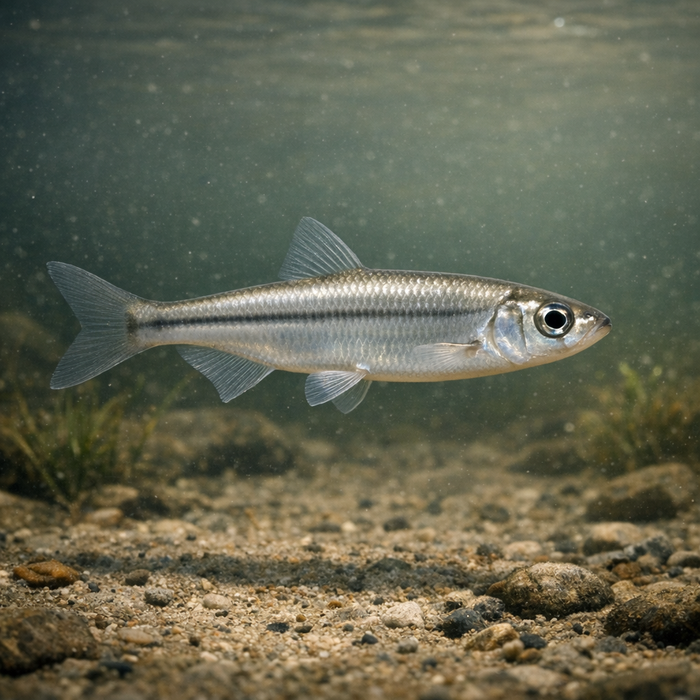
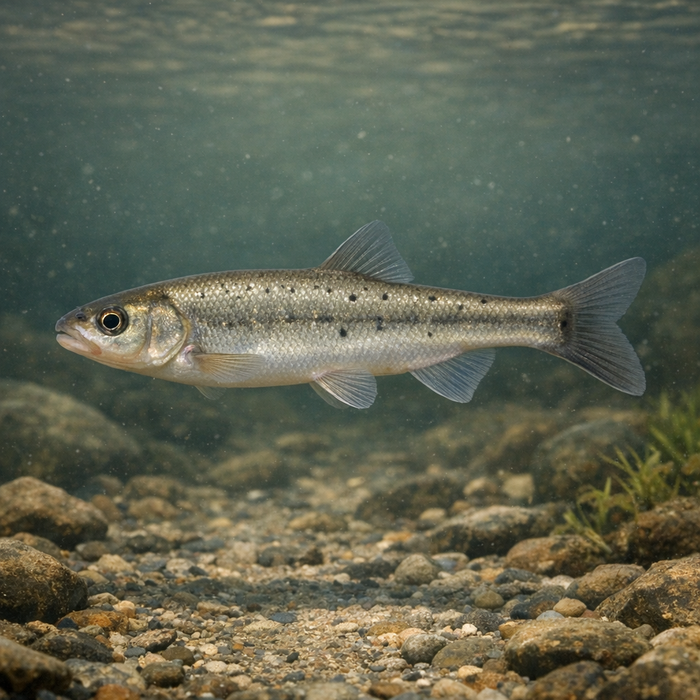
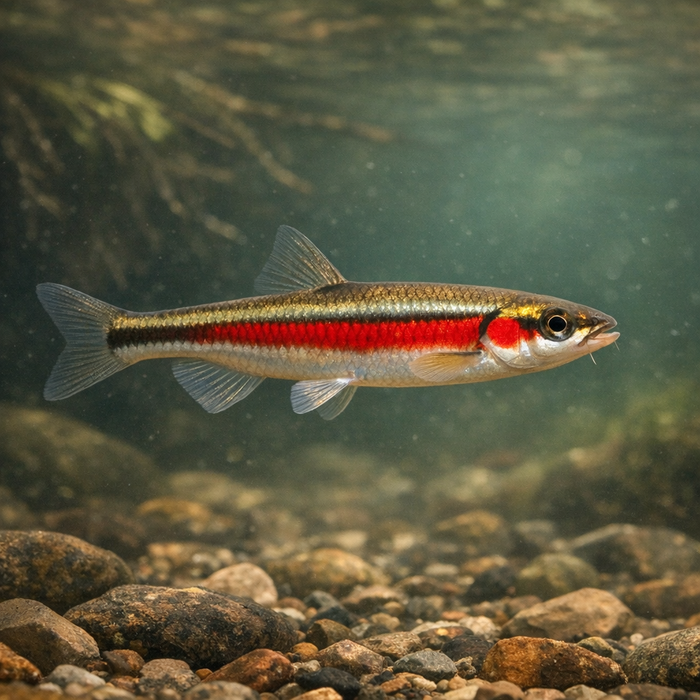
Little Colorado spinedace (Lepidomeda vittata): A tiny, copper-flashing desert native that punches way above its weight.IntroductionThe Little Colorado spinedace is the micro fish that makes stealth anglers grin. It's quick, wary, and absolutely allergic to sloppy presentations. You won't high-stick these fish from a boat or troll them through a reservoir. This is kneel-in-the-gravel, hide-behind-a-cottonwood, one-false-move-and-they're-gone fishing. If you want Little Colorado spinedace facts and the straight scoop, you're in the right creek.What Makes the Little Colorado spinedace Unique?For starters, this species is downright glamorous for its size. Breeding males light up with coppery sides that shimmer against clear water and pale desert gravel. It's also a survivor. The Little Colorado spinedace persists in a rugged landscape of droughts, flash floods, wildfire runoff, and invasive predators. Despite being only a few inches long, it holds territory like a fish with nothing to prove. The species is small, yes, but its presence is a loud statement that a fragile stretch of desert stream is still hanging on.Habitat & Global RangeThe Little Colorado spinedace habitat reads like a minimalist wish list: cool, clear, spring-fed tributaries; pool-riffle sequences; undercut banks; and gentle current lines where drifting bugs stack up. Think canyon creeks and headwater runs of the Little Colorado River system in northern Arizona. Muddy floods come and go, but when the water drops and clears, spinedace slide back into pool tails, eddies near boulders, and shallow glides. They're not a lake fish. They're not a big-river mainstem bruiser. They're a precision instrument tuned to living where desert water is most honest.Behavior & TemperamentThe Little Colorado spinedace is a master of micro moves. They shift a few fin beats left or right to ride the richest seams, then vanish at the faintest threat. Spinedace often hold in small groups, fanning out to feed and snapping back to cover when shadows or footfalls pop up. Their feeding is mostly a midwater sip-and-drift deal. Presentations that land heavy or drag across their zone are treated like a hawk overhead: instant nope. Still, a dead-drifted midge or tiny nymph through the pool tail will get noticed when they're switched on.Ecological ImportanceCalling the Little Colorado spinedace a "canary in the creek" isn't wrong. This fish telegraphs stream health. Flow permanence, temperature stability, and intact riparian cover all show up in spinedace numbers. Where they persist, you usually see healthy macroinvertebrate communities and fewer nonnative predators. Lose the spinedace and you'll likely lose the rest of the native desert-stream lineup soon after. Their role as mid-level consumers helps route energy from insect production to higher predators like native trout and birds.Conservation & Environmental PressuresIt's a hard world for tiny natives. Groundwater pumping, diversions, invasive trout and sunfish, wildfire sediment pulses, and prolonged drought each carve away habitat. The Little Colorado spinedace is protected for good reason, and many occupied reaches include barriers or management plans aimed at keeping nonnatives out. Restoration hinges on dependable baseflows, cold-water springs, and quick recovery after big storm events. Translation: stable hydrology, shaded banks, and fewer invasive mouths in the same pool.The FishyAF TakeYou don't chase the Little Colorado spinedace for biceps or brag boards. You seek it because finding one means you found a rightful piece of desert stream still working as designed. It's the fish that rewards patience and absolute stealth. Make your cast a rumor. Keep your boots quiet. If you're lucky, you'll watch a copper-sided flash materialize from a seam and sip a fly that looks like nothing more than a thought. That's the Little Colorado spinedace experience in fifteen perfect seconds. And yeah, we're here for it.