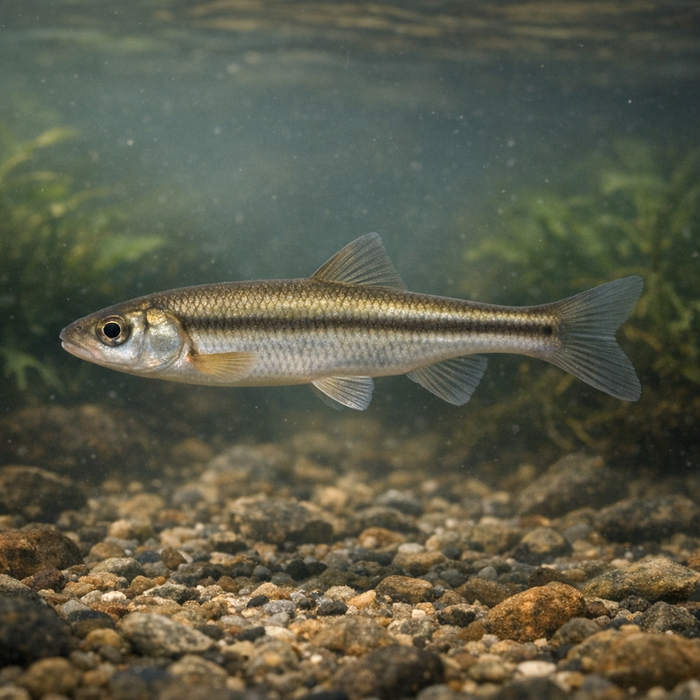
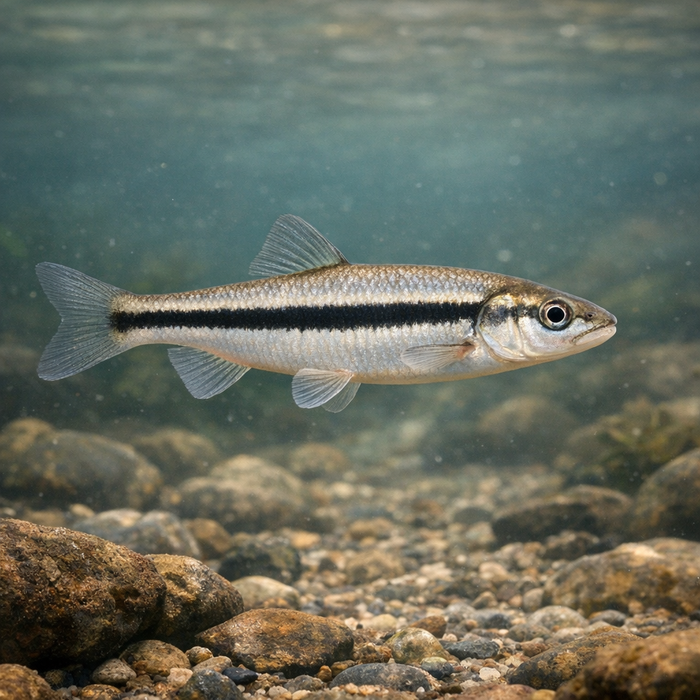
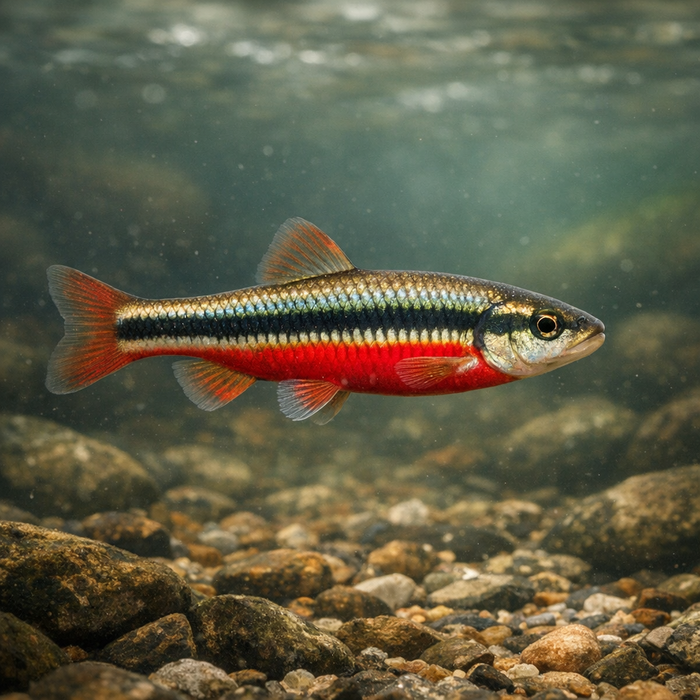
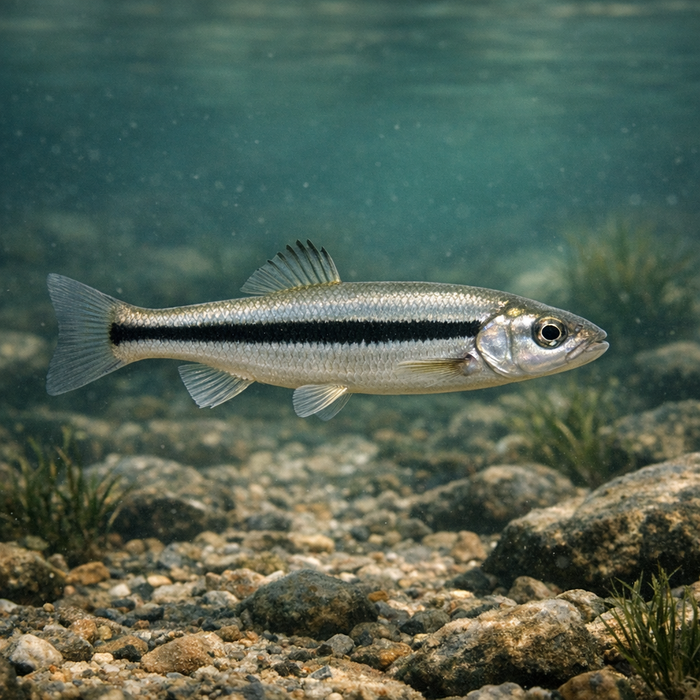
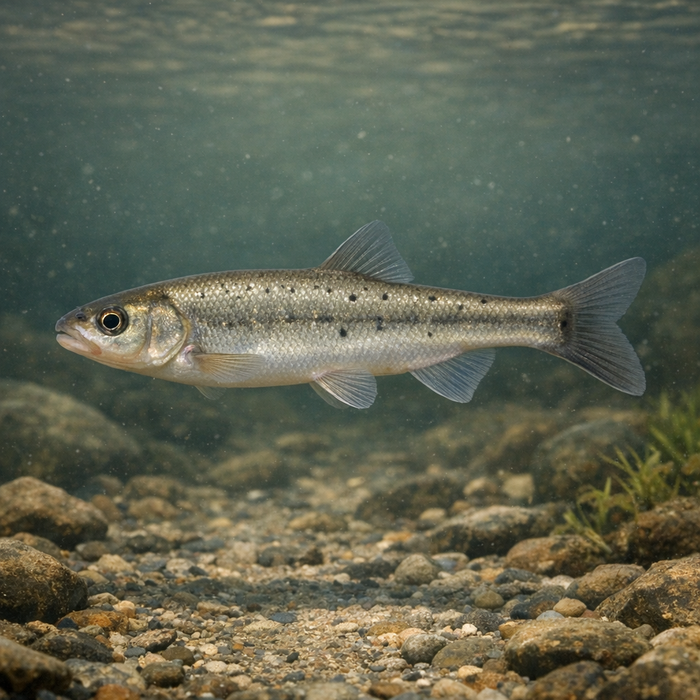
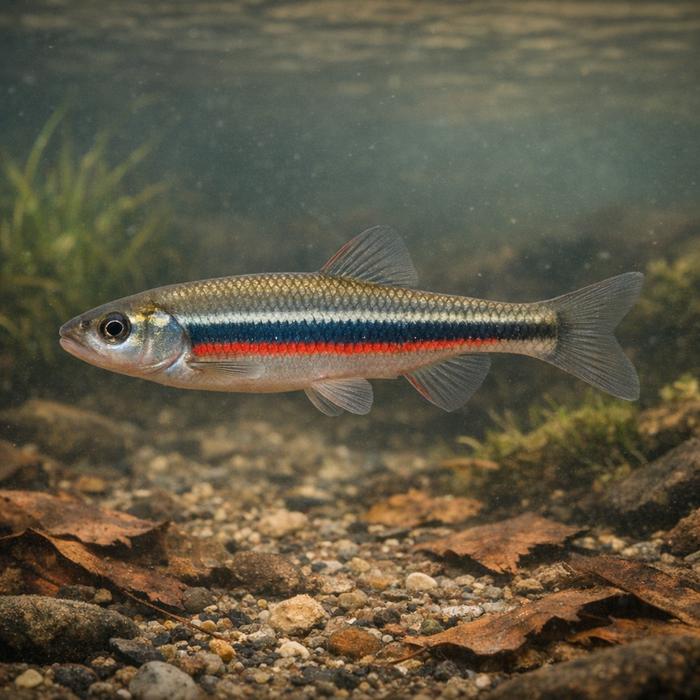
Phantom Shiner (Alburnops orca): The little fish that truly lived up to its name and then vanished.IntroductionThe phantom shiner is one of those species that haunts field notes and museum jars more than water. If you're here for Phantom shiner facts, you're already in good company: anglers, biologists, and river rats all want to understand how such a faint, fluttering spark of a fish once moved through big, muddy water and then blinked out. With a body barely two to three inches long and almost see-through scales, it never roared into headlines like a bass or tarpon. But the story of this minnow packs legitimate punch.What Makes the Phantom shiner Unique?Start with the name. Its scientific tag, Alburnops orca, throws a curveball: a tiny shiner wearing a killer-whale epithet. The common name fits better. This fish wasn't built for show; it was engineered for vanishing acts-flashing once near the surface in the right light, then dissolving into turbidity. The phantom shiner was small, delicate, and likely schooled loosely. It was also one of those minnows that remind you a river isn't just the headline predators; it's a web of specialists threading different layers of flow.Habitat & Global RangeIf you're searching "Phantom shiner habitat," you're mostly reading history. The species was associated with big, turbid main channels rather than sleepy backwaters. Think fast current lanes, sand and fine gravel substrates, and the midwater band where a micro-fish can slip by unseen. Its known range was remarkably restricted, and that narrow scope meant any large-scale water alterations, diversions, or quality declines hit it hard. For a fish this small, a river's personality isn't scenery-it's survival.Behavior & TemperamentFor a minnow, the phantom shiner likely played the midwater game: staying off the bottom to avoid silt, dabbling near the surface in low light, and weaving in and out of loose schools. Little fish don't fight for headlines, and they don't fight on the end of a line either, but they are masters of timing. Short, concentrated feeding windows in big rivers probably aligned with light shifts, temperature pulses, or drifting invertebrates. It wasn't aggressive; it was strategic, tuned to the noise and push of a large river.Ecological ImportanceHere's the part casual anglers skip and hardcore river nerds obsess over. The phantom shiner sat in the middle of nutrient loops that convert sun and mud into fish and birds. Tiny cyprinids translate base-level productivity into calories for larger predators. Lose a specialist like this, and you don't just lose a species-you loosen the bolts on the food web. Every phantom shiner was a little courier moving energy upstream, downstream, and into the beaks and bellies of everything higher up.Conservation & Environmental PressuresWhy did the phantom shiner fade out? Small range, specialized habitat needs, and the wrong kind of human timing. Channelization, altered flows, water withdrawals, sediment and pollution loads, plus nonnative species pressure stack up brutally on small river fish. When monitoring is sparse and life cycles are short, a population can crash fast and slip beneath the radar. By the time surveys realize what's missing, the river has already rewritten itself.The FishyAF TakeNo, you're not catching a phantom shiner. That ship sailed decades ago. But its story matters for anglers who say they love rivers, not just fish photos. The phantom shiner is a reminder that rivers are machinery; if you torque the gears too hard, the smallest cogs snap first, and the whole engine runs worse. If you chase microfish today, other shiners and dace still offer the thrill of impossible-small precision. And if you just chase big game, remember the quiet species knitting the base of your fishery. The phantom shiner might be gone, but the lesson is loud: take care of flow, turbidity, and connectivity, and you take care of everything riding that current-including the fish you actually do catch.