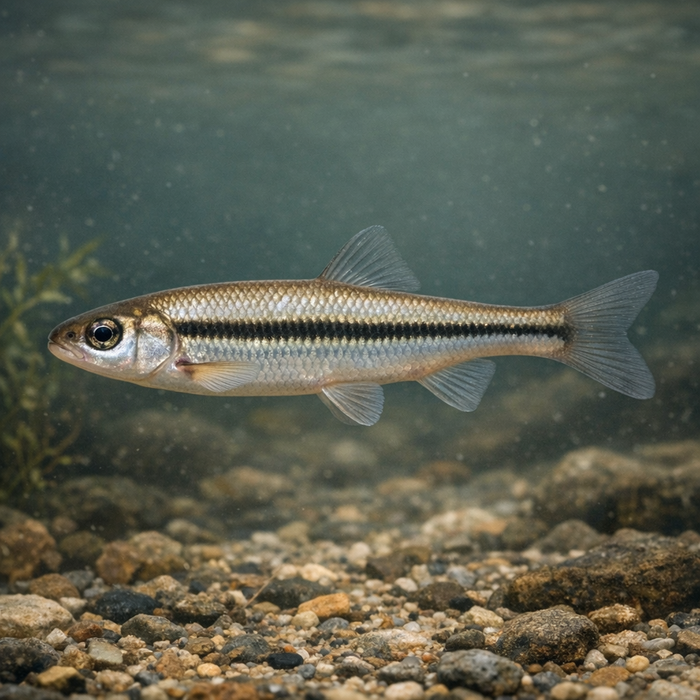
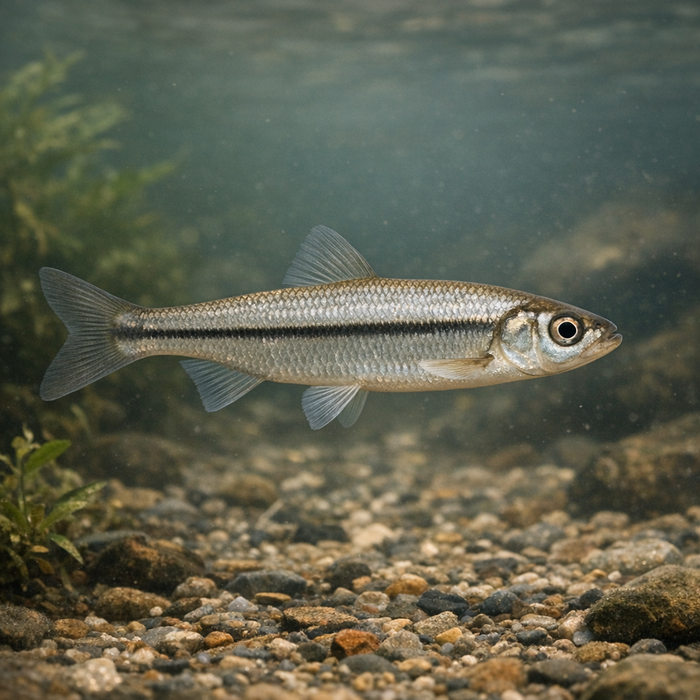
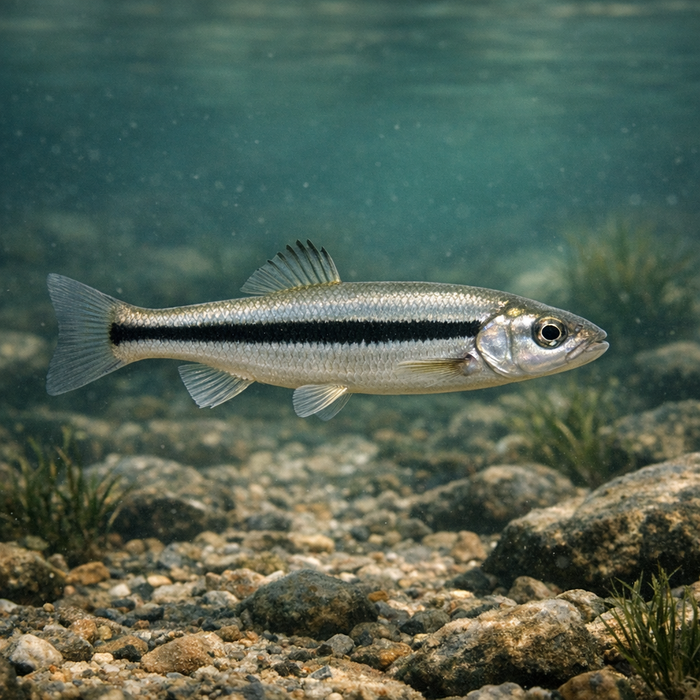
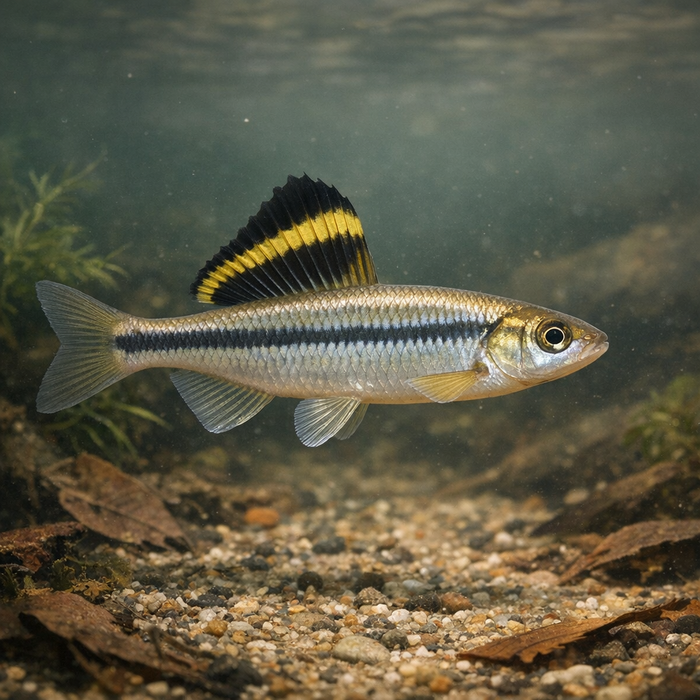
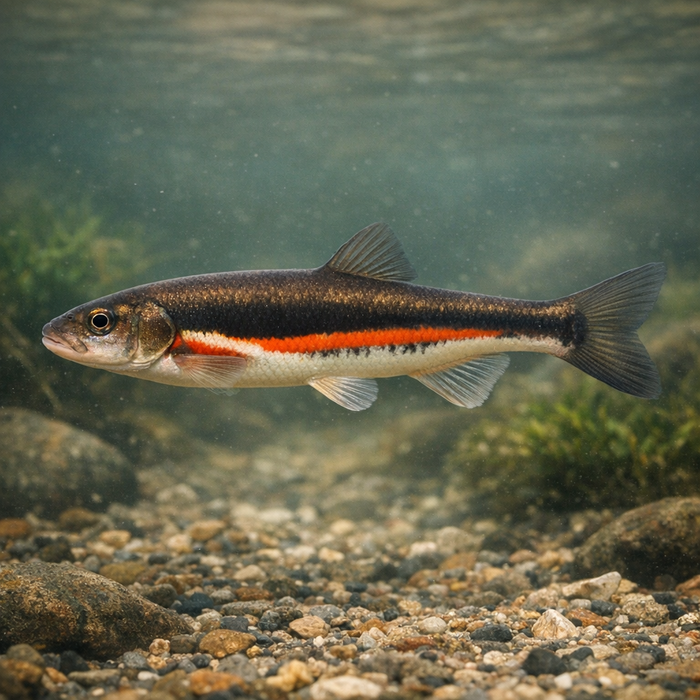
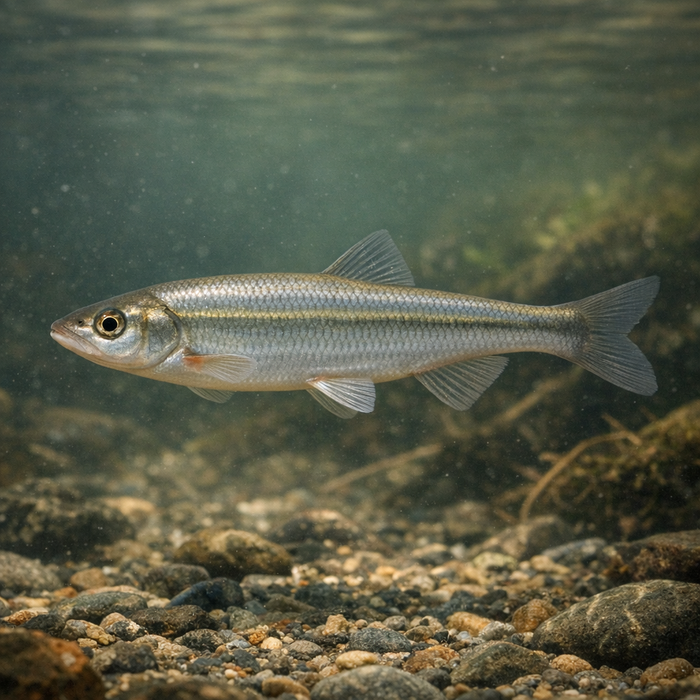
Finescale Dace (Chrosomus neogaeus): A Bold, Memorable Hook LineIntroductionThe finescale dace is the tiny troublemaker of northern creeks and bog ponds. It's flashy during the spawn, shockingly tough the rest of the year, and weirdly brilliant at surviving in water that would melt the paint off fussier fish. You won't spool a reel on one, but if you're into microfishing, quirky biology, or just want a new species on the list, this little minnow is a quiet riot.What Makes the Finescale dace Unique?Start with the name: "finescale" isn't marketing fluff. This fish wears microscopic scales that give it a sleek, silk-sanded look. During spawning, males light up with a red belly and an inky lateral stripe that practically glows in tannin-stained water. Then comes the party trick. In places where finescale dace overlap with northern redbelly dace, you can get all-female hybrid lineages that reproduce by gynogenesis, basically borrowing sperm to kickstart cloning without using the male's DNA. Add in serious tolerance for acidic, low-alkalinity water, and you've got a minnow built for the bog life.Habitat & Global RangeIf you're chasing finescale dace habitat, think tea-colored bog creeks, beaver ponds, and quiet headwaters across the northern Midwest, Northeast, and a big swath of Canada. They're homebodies that love woody cover, flooded grasses, and the soft edges around inlets and outlets. Depth isn't dramatic. One to three feet is prime, with current seams no stronger than a lazy walk. Beaver activity supercharges their real estate options by creating new ponds, and they move locally as water levels and temperature shift. You'll find them under ice too, schooled tight in the slowest slots. For quick scouting, "Finescale dace habitat" translates to dark, acidic water with structure and a hint of flow.Behavior & TemperamentAggression isn't the move here. Finescale dace pick and dart, nibbling small invertebrates and plant matter, then tucking back to cover. They school loosely most of the year, get dressy and territorial during the spawn, and spook as a team when one fish sounds the pheromone alarm. They're crepuscular opportunists: best during soft light, fine when clouds blur the sun, and slow when the sky is blazing. In clearings or shallows, a long shadow can scatter them. In stained pockets, they'll hold almost on your toes.Ecological ImportanceFor such a small fish, the finescale dace is heavyweight forage. Trout, pike, bass, and loons cash in where dace are dense, and the species helps shuttle energy out of bog food webs into bigger mouths. Their tolerance of acidic, low-nutrient systems lets them dominate places other minnows skip. The hybridization angle adds another layer; they're a natural experiment in how fish adapt and persist in weird water chemistry and fragmented habitats. "Finescale dace facts" often end up sounding like exceptions to the rules other minnows follow.Conservation & Environmental PressuresOverall, finescale dace are doing fine. They're listed as Least Concern in much of their range. Local trouble spots exist, usually tied to wetland drainage, beaver removal, or upland logging that spikes sediment and crushes the clean fringe they use for spawning. Non-native predators in small ponds can also whack populations. Climate shifts that shorten ice cover or swing water levels faster than normal will stress the stability they like. But given intact wetlands and a few beavers minding their business, this minnow tends to hang tough.The FishyAF TakeThe finescale dace is the micro angler's espresso shot: small but highly caffeinated. You don't chase them for drag-scorching runs; you chase them because they're gorgeous in the hand and absurdly specific about where they live. If you're willing to crouch, dead-drift a pinkie-nail nymph, and think like a bog, you'll add this species fast. The biology is wild, the colors deliver, and the habitat is quiet enough to hear your own boots. Call it a minimalist win.