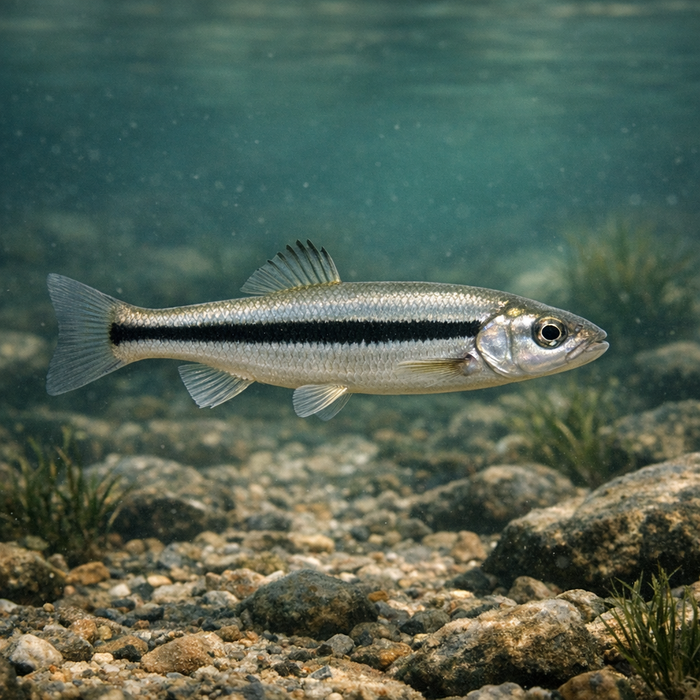
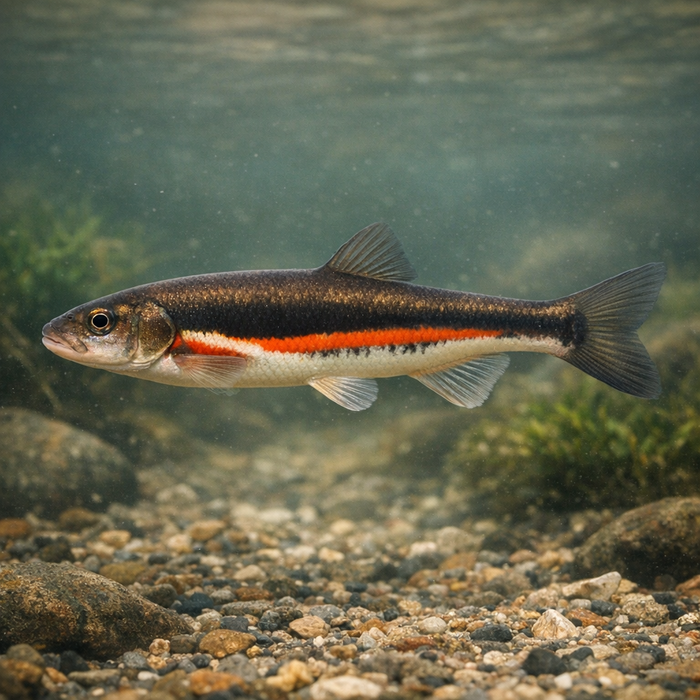
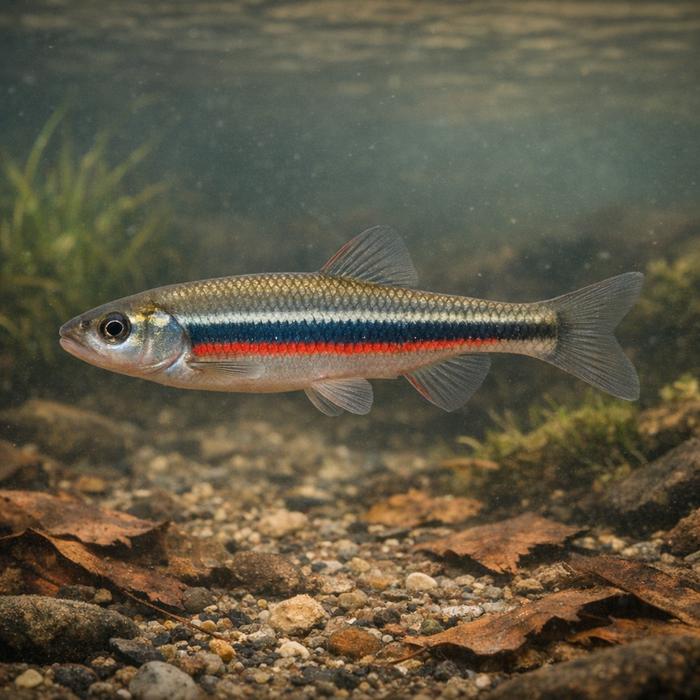
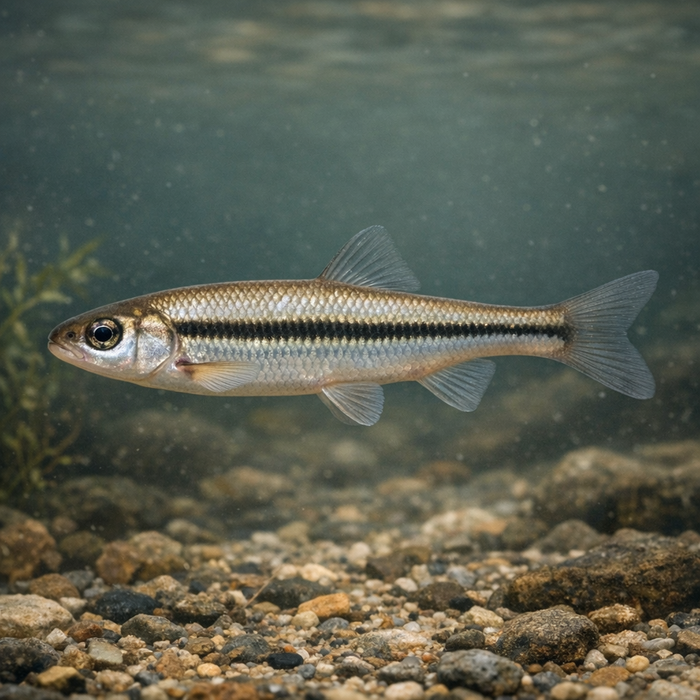
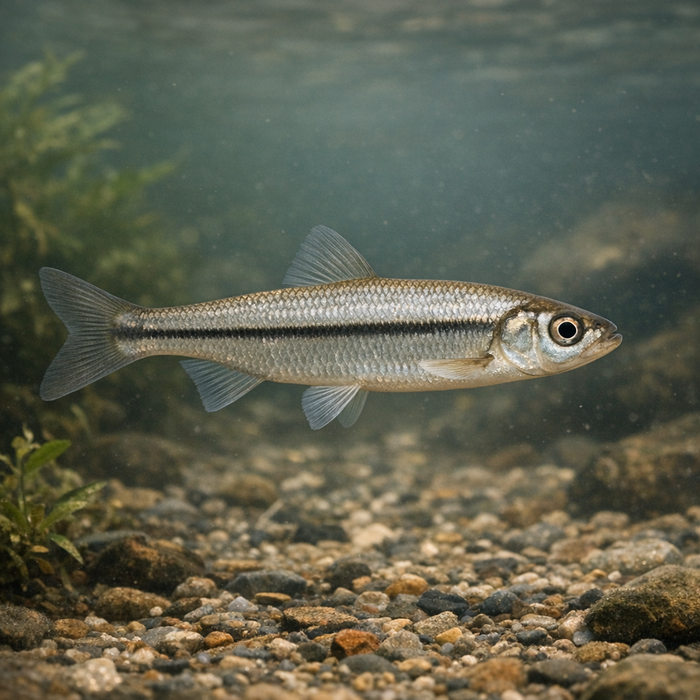
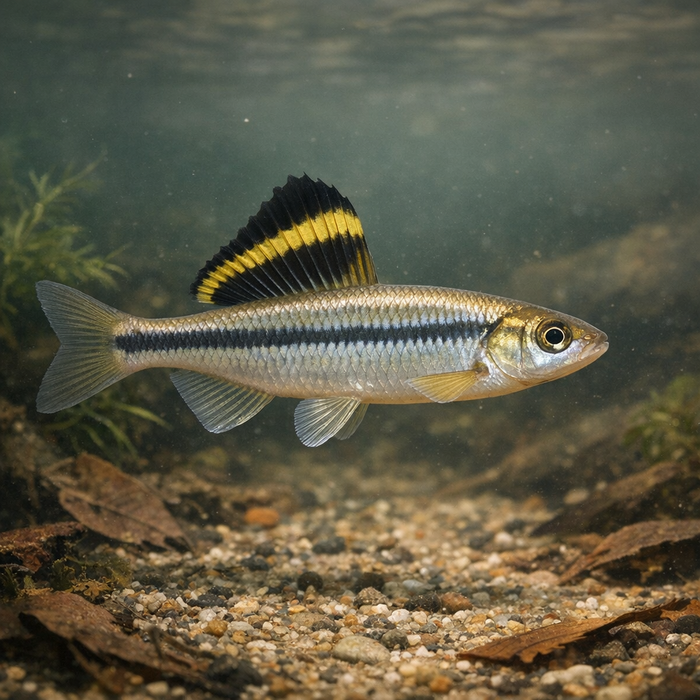
Umpquachub (Oregonichthys kalawatseti): Tiny Fish, Big StoryIntroductionThe Umpquachub is proof that not every worthy fish needs shoulders and teeth. This micro native minnow turns backwaters into bustling neighborhoods, and if you think small fish can't be interesting, this one will change your tune. For anglers who geek out on subtlety, precision, and wild places, the Umpquachub is quietly irresistible.What Makes the Umpquachub Unique?Two things stand out. First, identity. Oregonichthys kalawatseti was split from its close cousin the Oregon chub after biologists realized the Umpqua basin had its own deal, coded in head shape, scale counts, and genetics. Second, life strategy. The Umpquachub matures fast, breeds more than once per season when conditions click, and stakes its claim in slow, vegetated water where bigger fish fear to loiter. Put it together and you've got a specialist that thrives when summer backwaters get warm and quiet. If you're hunting Umpquachub facts, start with this: it's not just a smaller chub, it's a different playbook.Habitat & Global RangeThis species is a homebody, hugging the Umpqua River system in Oregon. The typical Umpquachub habitat is slack water, side channels, and silt-friendly pools with rooted vegetation or wood. They'll cruise edges, hover over soft bottoms, and tuck tight to cover when shadows move. You won't need a boat; you need patience, clear eyes, and places where the main current lets go.Behavior & TemperamentFor a minnow, the Umpquachub acts like a tactical unit. Schools stack in calm pockets, then peel off to pick drifting morsels. Aggression is low, but feeding can switch on fast in warm, stable water. They're skittish of heavy footsteps and looming silhouettes, so stealth rules. Expect midwater milling over soft substrate, quick darts into stems and sticks, and brief surface interest when tiny insects pile up in corners.Ecological ImportanceThe Umpquachub is a key middle link. It converts small invertebrates into calories for the food web, and in turn becomes forage for native predators. When backwater plants crank out oxygen and cover, Umpquachub schools help stabilize insect populations and spread energy through the system. Remove these little processors and the quiet water gets a lot less lively.Conservation & Environmental PressuresSmall range, changing rivers, and hungry non-natives make a tough combo. Altered flow regimes pinch off backwaters. Warm-season droughts concentrate fish. And when smallmouth bass push into side channels, chubs slide deeper into the salad to survive. While formal listings can vary, the smart angler treats the Umpquachub as conservation-priority: handle gently, keep fish wet, and move on quickly. Healthy vegetated margins, natural flow pulses, and clean tributaries are the lifelines here.The FishyAF TakeThe Umpquachub is the fish you notice after you've learned to slow down. It rewards careful eyes and quiet feet more than fancy gear. Yes, it's small. That's the point. It's also wildly specific, stubbornly local, and tuned to water most folks ignore. If you want an angling humility check, watch an Umpquachub school ghost into weeds while you try to thread a size 20 hook. That's real fieldcraft. Respect it, protect it, and let this little native remind you why micro water matters.