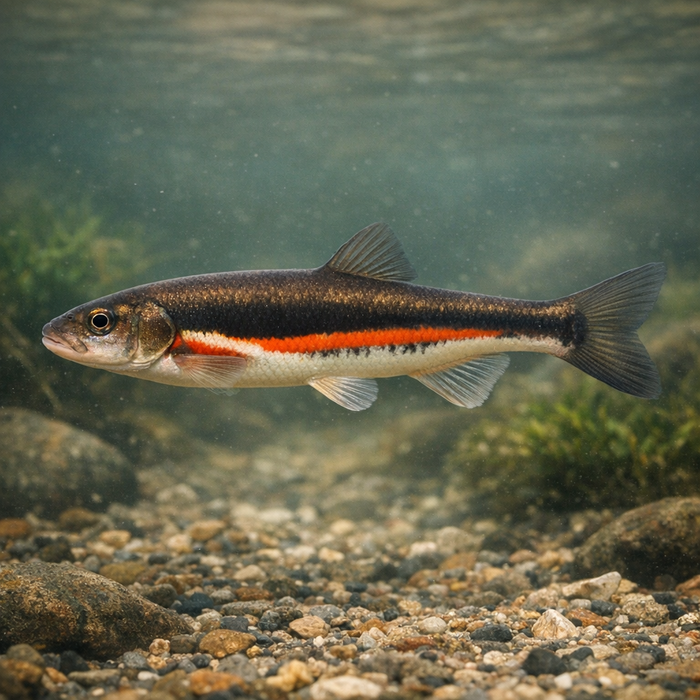
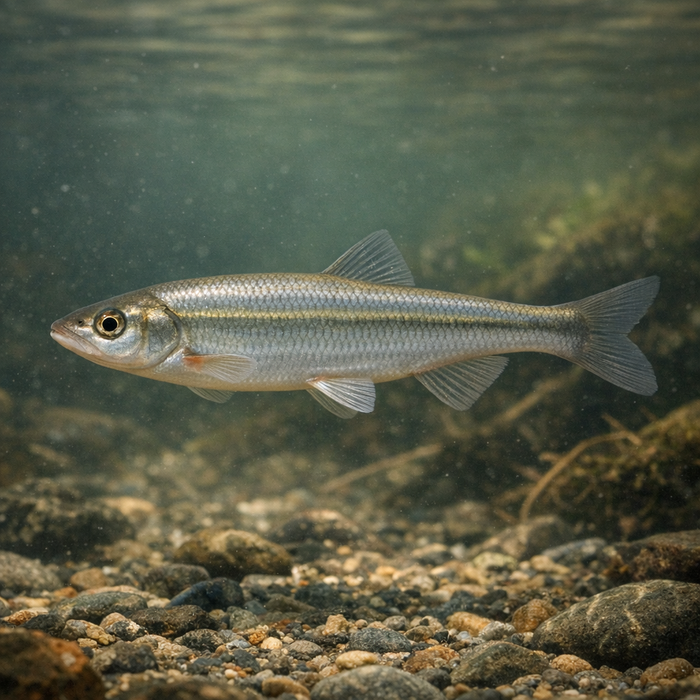
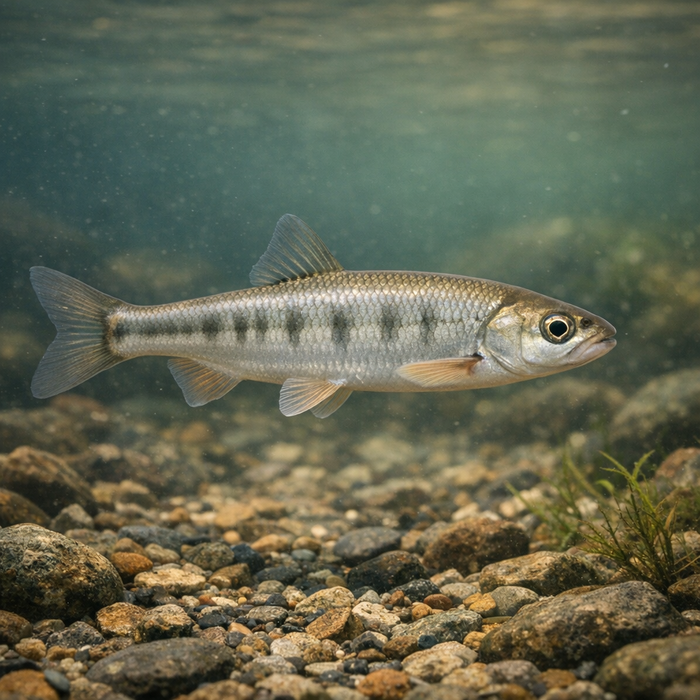
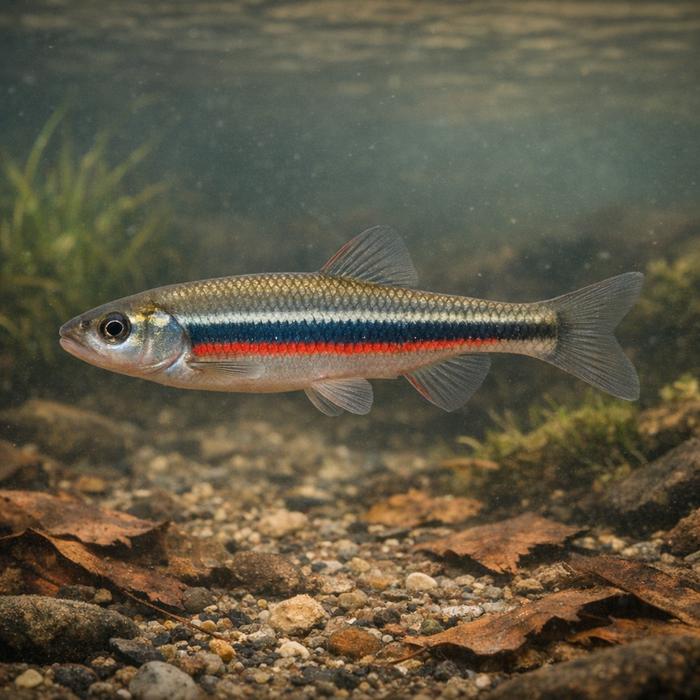
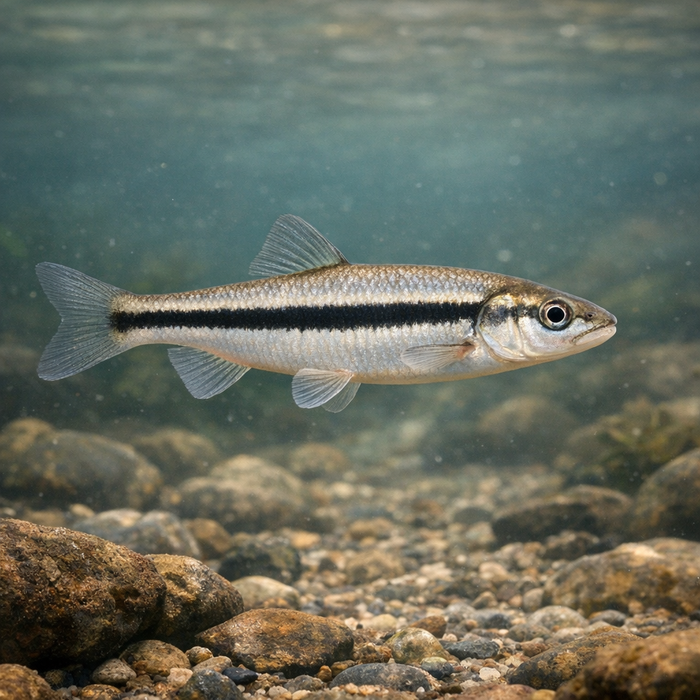
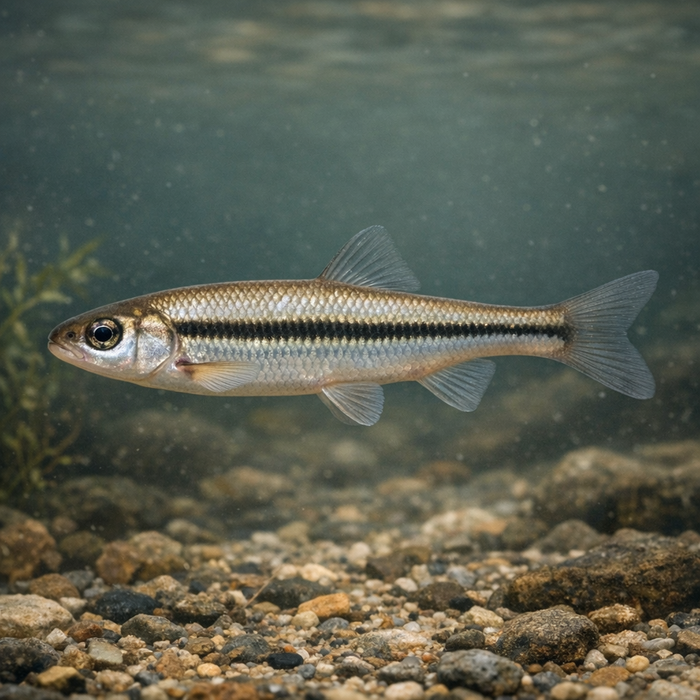
Pahranagat spinedace (Lepidomeda altivelis): A desert minnow with a tall fin and a fragile historyIntroductionThe Pahranagat spinedace is the fish equivalent of a ghost story: real, documented, and gone. Small, sleek, and built for spring-fed currents, it packed more drama into a few miles of Nevada water than most big-game fish manage across oceans. If you came here for Pahranagat spinedace facts, you'll get them straight: this is a lesson in how delicate desert waters can be, and how quickly a unique fish can slip away.What Makes the Pahranagat spinedace Unique?For starters, its name. Altivelis translates to high-sailed, a nod to a proportionally tall dorsal fin that set this fish apart among minnows. The "spinedace" moniker comes from the subtle keel on its scales, giving the body a crisp-edged feel and a touch of hydrodynamic swagger. The Pahranagat spinedace was small, usually just a few inches long, but purpose-built for life in narrow, glass-clear spring runs. It likely formed tight schools and flashed silver in current seams, operating with a precision that made sense in tight quarters.Habitat & Global Range"Global range" is generous. The Pahranagat spinedace lived solely in Nevada's Pahranagat Valley, within a tiny network of springs, short creeks, and ponds. Think Ash Springs, Crystal Springs, and the shallow waters linking them to the Pahranagat lakes. Constant-temperature spring flows and desert sun created a stable, productive system. That same stability hid a trap: a few diversions, a predator or two, and the whole deck came down. If you're searching Pahranagat spinedace habitat as a modern angler, you're really looking at a historical footprint contained in a single valley.Behavior & TemperamentThis fish wasn't a brawler. It was a finesse operator. In clear water, spinedace likely schooled tight, slid in and out of weed edges, and fed along gentle currents where insects and micro-invertebrates drifted by. Quick reflexes mattered more than raw speed; when your world is a creek narrow enough to step across, you don't run, you pivot. Any disturbance would have sent schools slipping for cover, which is why stealth would have been everything if ethical angling had ever been an option.Ecological ImportanceDesert springs are engines of biodiversity, and the Pahranagat spinedace was one of their cogs. Tiny fishes like this move energy from bugs to birds, snakes, and larger fish, and they help keep invertebrate populations in check. When a species disappears, the food web doesn't collapse overnight, but it does lose resilience. The Pahranagat spinedace was also a gene bank of evolutionary solutions to life in steady, warm flows and flash-flood country. Lose that, and you lose options for the future.Conservation & Environmental PressuresThe short version: a razor-thin range, habitat modification, and nonnative predators. Irrigation alterations and introductions like sunfish, bass, or mosquito fish turn a high-wire act into a nosedive. With only a handful of connected waters to work with, the Pahranagat spinedace had no safety net. Once numbers tumbled, there wasn't another valley to recolonize from. Today, it's considered extinct. That reality carries a blunt message: if you disrupt a micro-range species, you don't get many second chances.The FishyAF TakeAs anglers, we love chasing rarity, but this one's a hard stop. The Pahranagat spinedace isn't a target; it's a caution sign you can read from space. Its entire world fit in one Nevada valley, and that should light up every red flag we've got. If you want something to "pursue," back the habitat work that keeps other desert minnows from becoming ghost stories too. The Pahranagat spinedace proves that size doesn't equal significance. Sometimes the most important fish is the one you'll never catch, and remembering that might save the next one.