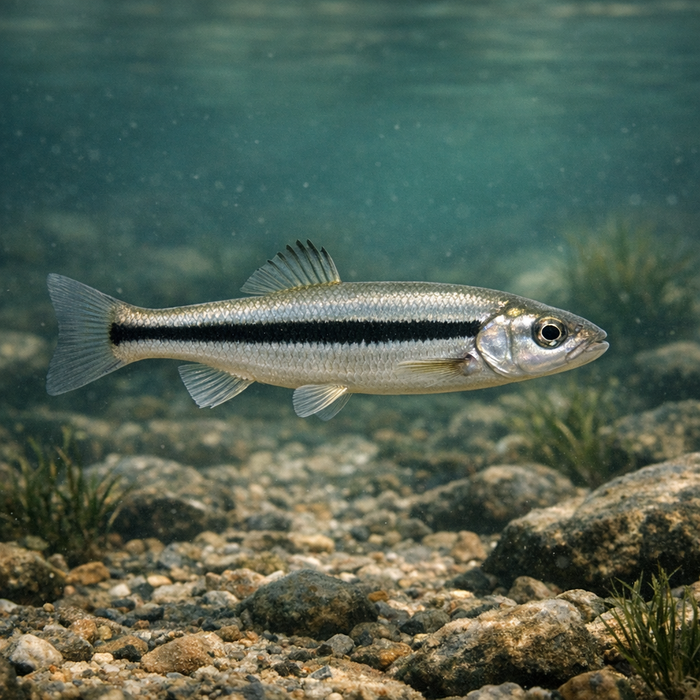
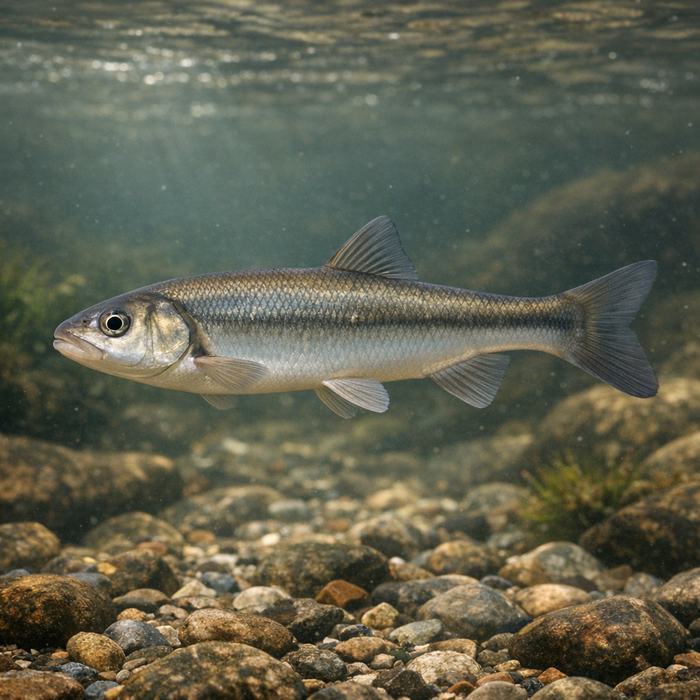
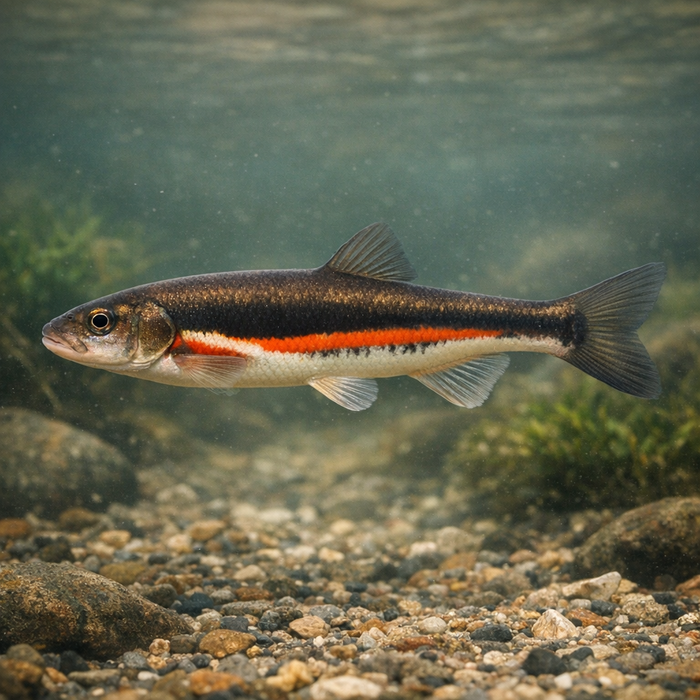
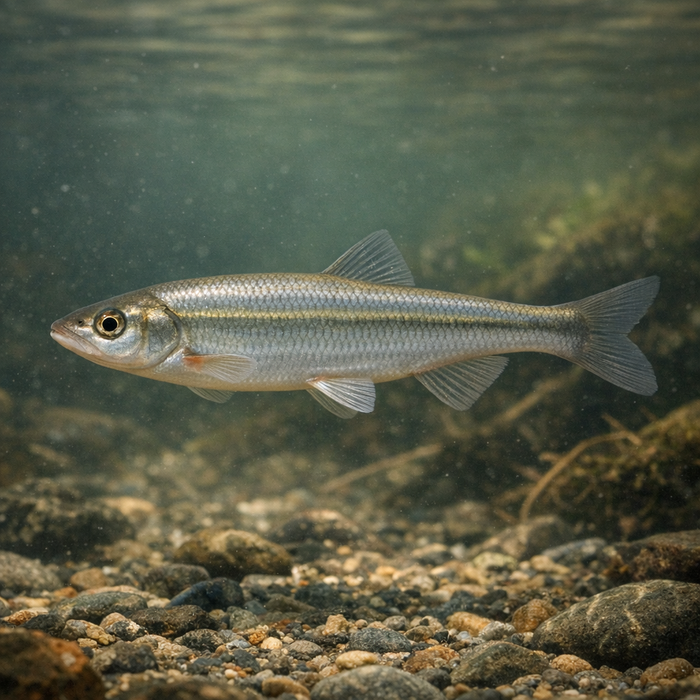
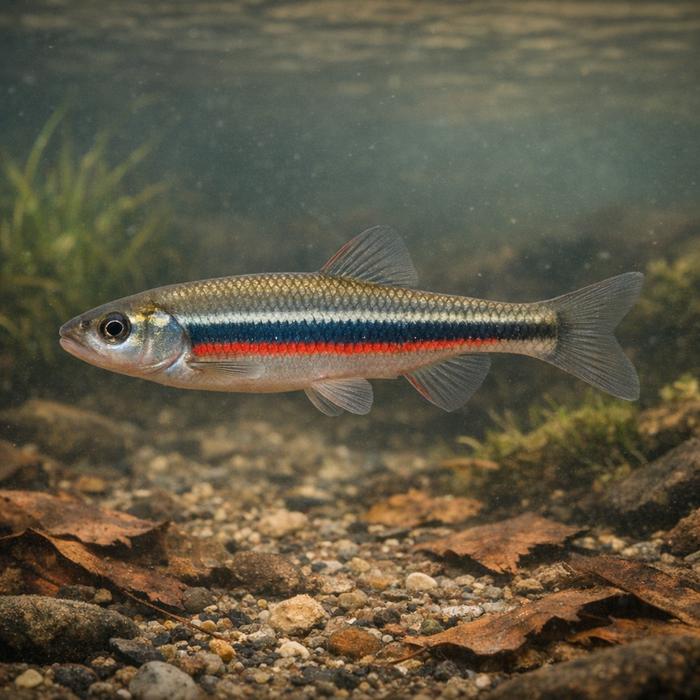
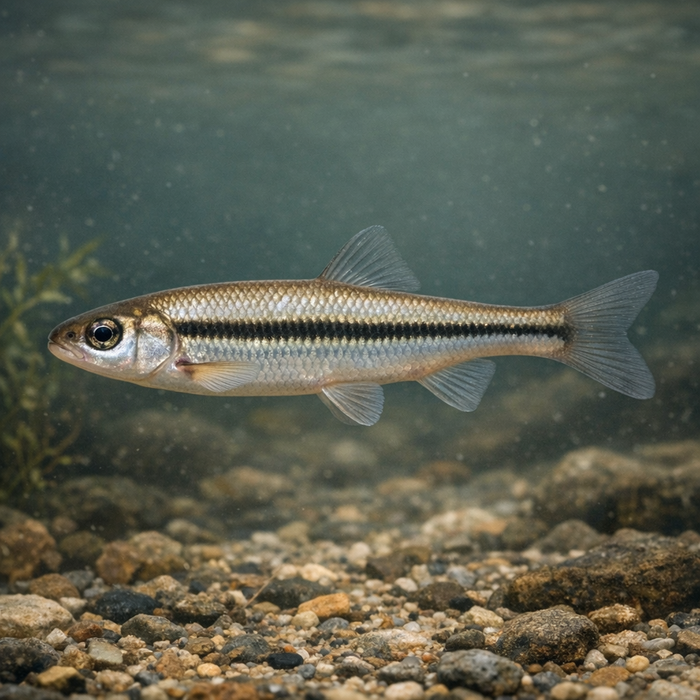
White River spinedace (lepidomeda albivallis): A desert native that thrives where trickles meet bright Nevada skyIntroductionThe White River spinedace is a tiny, silver desert specialist with a big story. It's the fish that proves water doesn't have to be deep to matter, just clean and consistent. If you're into obscure natives with attitude packed into a few inches of fin, this one's your kind of weird. It's small, sneaky, and centered on spring-fed creeks where one bad water decision can rewrite history. Consider this your quick-and-dirty tour of White River spinedace facts without the textbook nap.What Makes the White River spinedace Unique?Start with the name. That "spinedace" isn't a gimmick. The leading dorsal ray stiffens when the fish is startled, lending surprising control and a touch of armor in pocket water. Breeding males light up with copper-orange fins and a faint, stylish side stripe, a desert neon sign that disappears when flows drop. Add an often-incomplete lateral line tuned to micro-currents, and you've got a fish built for life where water is measured by trickle, not torrent. The White River spinedace is also hyper-local, a genomic story written by springs and seeps that change over mere yards.Habitat & Global RangeYou won't confuse the White River spinedace habitat with anything tropical or alpine. Think spring creeks, marshy margins, quiet eddies, and the outflows where steady temperatures meet gentle current. The White River valley in Nevada is its historical arena, a patchwork of springs and small streams feeding desert basins. Stability is everything. Spring water delivers a narrow, dependable temperature band, minimal silt, and tiny invertebrates on tap. The fish slide between shallow margins, submerged grass, and undercut banks. One cattle crossing, one diversion, one invasive minnow, and the balance shifts fast. This is niche living at its finest and most fragile, the poster fish for "local water, local rules." If you're searching "White River spinedace habitat," picture a clear, knee-deep ribbon of life with just enough cover to vanish into.Behavior & TemperamentSpinedace school up loosely, then disappear as the light angle changes. They're quick on the draw and surprisingly predatory for their size, drilling drifting midge larvae and other micro-invertebrates with tiny pharyngeal teeth. When agitation hits, the dorsal ray stiffens and the fish snap into the cover puzzle: stems, root wads, and cutbanks. Spawning rides spring flows. As water pulses and daylight stretches, males fire up their fins and the fish scatter eggs over fine gravel and vegetation. The whole thing is efficient, opportunistic, and laser fit to small-water rhythm.Ecological ImportanceThe White River spinedace is a bellwether in scales. Keep flows steady, keep springs clean, and the fish hang on. Slip in sediment, pump too much groundwater, or seed the system with invasive competitors and predators, and they fade. They're part of the desert creek food web, translating small invertebrates into biomass for larger natives and, historically, a few low-key predators. Lose them and you don't just lose a fish; you lose a calibration point for the entire spring system. For biologists and anglers who care about native water, this minnow is a clarity test.Conservation & Environmental PressuresPressure comes from every direction in desert country: groundwater pumping that blunts spring output, channelization that erases margins, livestock impacts, and a revolving door of nonnative fish. Because the White River spinedace sticks to small, isolated habitats, fragmentation hits harder than in big rivers. Conservation here looks like the unglamorous grind: protecting springs, restoring banks, keeping flows connected, and shutting down introductions of bait-bucket hitchhikers. It's a protected fish in most contexts, and rightly so. Sight it, photograph it, then let it be.The FishyAF TakeThe White River spinedace isn't a grip-and-grin fish; it's a respect-the-ribbon fish. If the creek is healthy enough to hold spinedace, you're standing in a functioning desert miracle. We love bruiser trout and bigwater stripers as much as anyone, but this little native hits different. It's proof that small water can be mighty. If you want the best White River spinedace facts, start with this: good habitat beats hero shots every time. Learn the springs, learn the plants, learn the flows, and keep your hooks out unless a permit says otherwise. Some fish are for catching. This one is for keeping the water right so it can keep doing its tiny, crucial job.