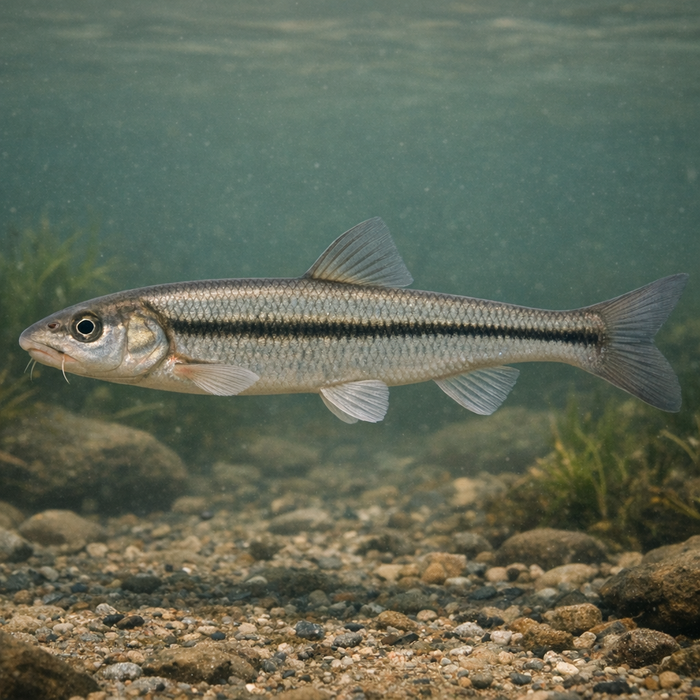
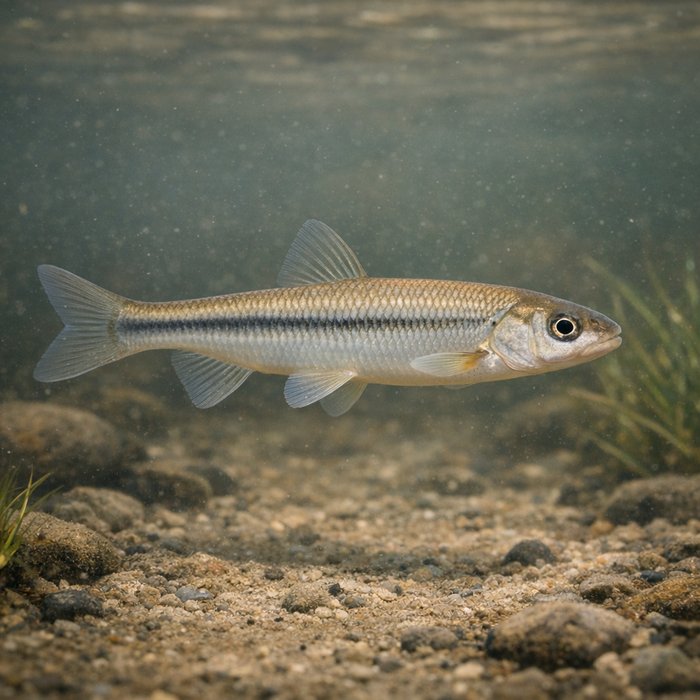
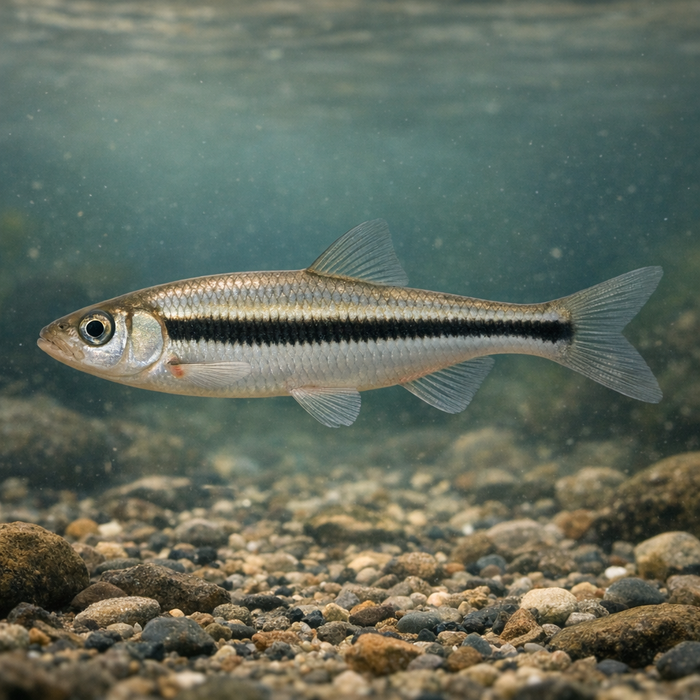
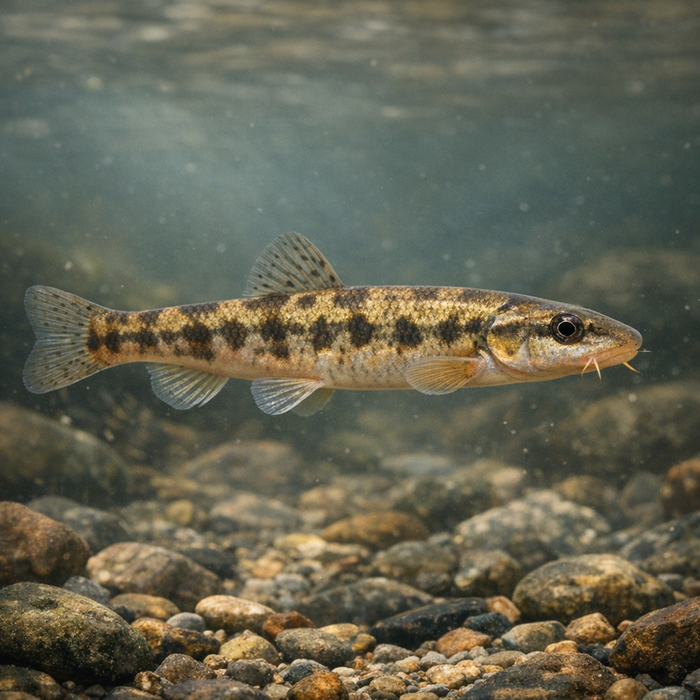
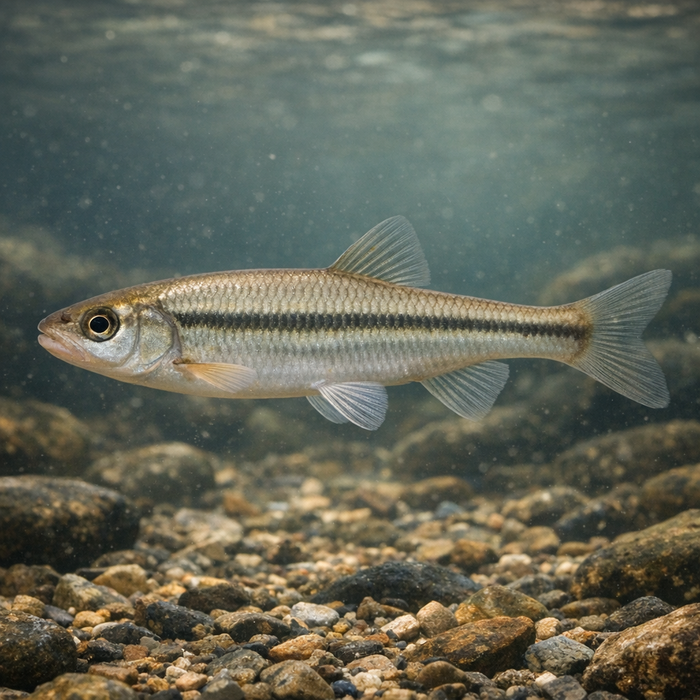
Sabine shiner (Miniellus sabinae): A sand-run specialist with a need for speedIntroductionThe Sabine shiner is the tiny silver flash that turns a ho-hum Gulf Coast creek into a living conveyor belt. Blink and you'll miss it. This minnow is built for moving water over soft sand, a niche so specific it might as well come with a reserved parking sign. For anglers who dabble in microfishing or just like knowing what's zipping under their boots, this fish is a perfect rabbit hole. Welcome to Sabine shiner facts that actually help you understand the fish, not just label it.What Makes the Sabine shiner Unique?Two things: speed and specialization. The Sabine shiner is a master of the sand ribbon, hanging in that finicky zone where current skims over rippled dunes. Its slim, translucent body and big, alert eyes scream purpose: grab what the flow brings and stay out of trouble. It also lives fast. Many individuals are hatched, matured, spawned, and gone within about a year. That sprint-life strategy, paired with schooling reflexes that make groups pivot like a single animal, separates the Sabine shiner from the vague blur of "just another minnow."Habitat & Global RangeIf you're searching "Sabine shiner habitat," you're staring at sandy, moderately clear streams tied to the Gulf-slope drainages of Texas and Louisiana. Think coastal plain creeks with steady current, not boulder gardens or stagnant ponds. The playbook: knee-deep runs, undulating sand, and seams where drift collects. They favor the conveyor belt itself rather than hard structure, using speed and schooling more than rocks and logs. Seasonal flows matter. After rains, the system re-shapes, and the fish shuffle accordingly, surfing the new contours like regulars who know every turn.Behavior & TemperamentThe Sabine shiner is a mid-column grazer of drifted specks: insect bits, micro-invertebrates, and whatever edible confetti the current delivers. Schools hover inches above sand, jittery but not chaotic, then zip as one when a shadow rolls through. Aggression is low. These fish aren't brawlers; they're pickers with precision. Spawning typically lines up with warmer months and post-storm pulses, when fresh flow mobilizes sand and oxygen. Eggs are broadcast into the dynamic mix, settling into pockets and hatching quickly. It's a numbers game: move fast, reproduce early, let the river do the heavy lifting.Ecological ImportanceThe Sabine shiner is a crucial gear tooth in sandy-stream food webs. It moves energy upstream to downstream and minnows to predators, packaging drifting calories into snack-sized silver that larger fish, birds, and herps cash in on. Its obsession with clean, shifting sand also makes it a natural indicator. When silt locks the substrate in place, or when water swings from bone-clear to chocolate milk too often, Sabine shiner numbers can tell the tale. In short, if this fish is thriving, the conveyor belt is running on time.Conservation & Environmental PressuresYou don't need a courtroom full of biologists to guess the threats. Anything that wrecks sand dynamics or water quality nudges this species off balance. Chronic sedimentation from poor land use gums up the works; channelization and bank hardening erase the ripple fields; low dissolved oxygen squeezes habitat during hot spells; drought and flashy floods can ping-pong them between scarcity and washout. None of this is unique to the Sabine shiner, but the fish's specialization means the impacts hit harder and faster. Local stewardship, flow-friendly management, and halting needless turbidity make outsized differences.The FishyAF TakeThe Sabine shiner is proof that "small" doesn't mean "basic." It's a purpose-built courier for sandy streams, and it plays its role with ruthless efficiency. For anglers, especially the micro-curious, this fish is a scalpel: you either fine-tune your approach or you watch silver blips ghost away. If you want brute force, look elsewhere. If you want a crash course in reading current, matching flows, and handling fish gently, the Sabine shiner delivers. Learn the sand, spot the seams, and enjoy the subtlety. It's a tiny fish with a big lesson in how rivers actually work. If you needed Sabine shiner facts that justify squinting at ankle-deep water, consider them delivered.