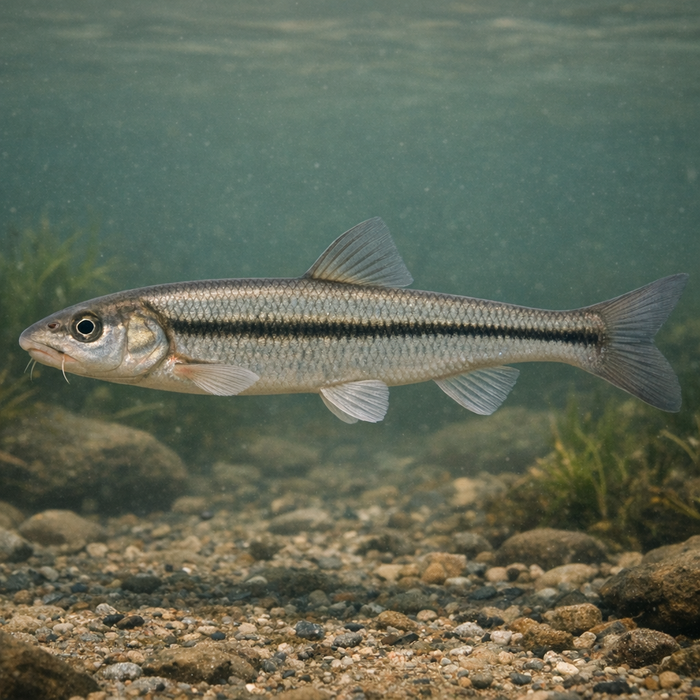
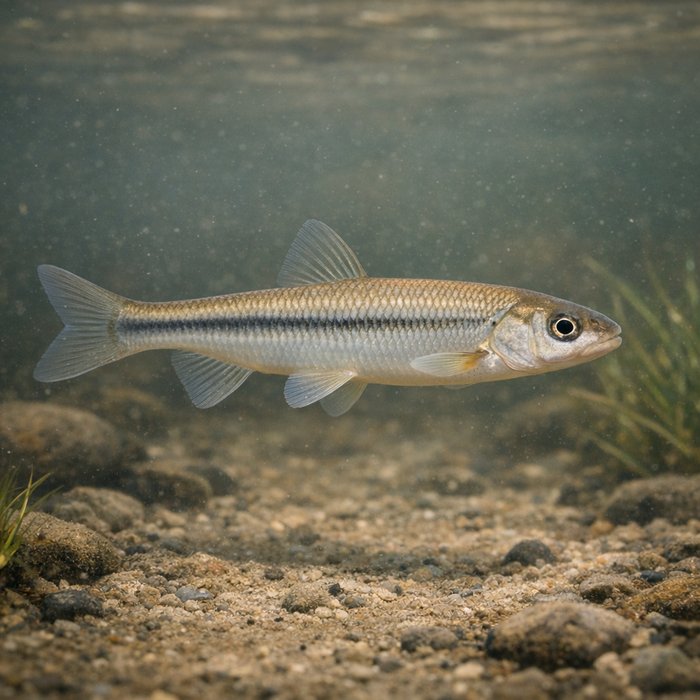
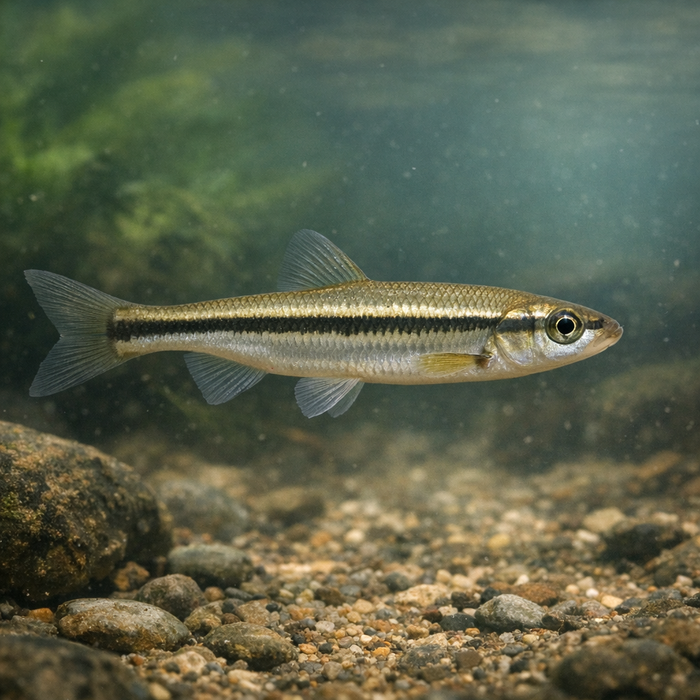
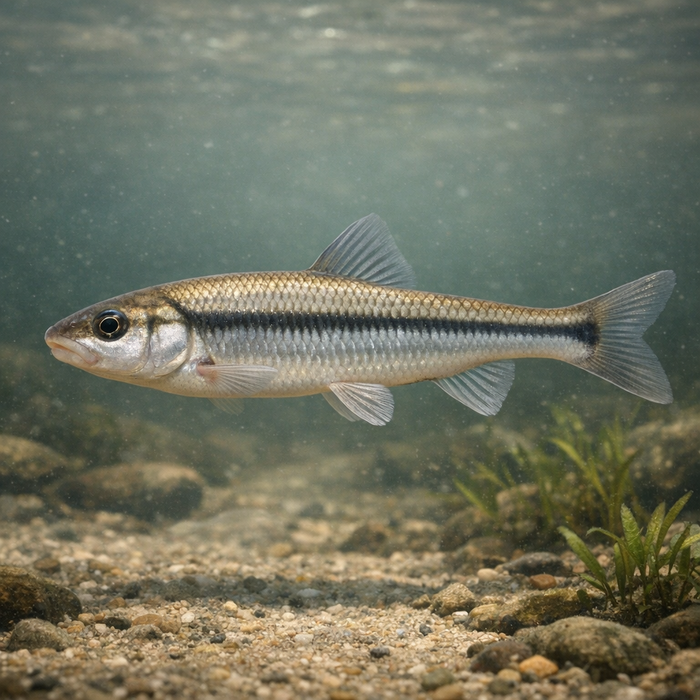
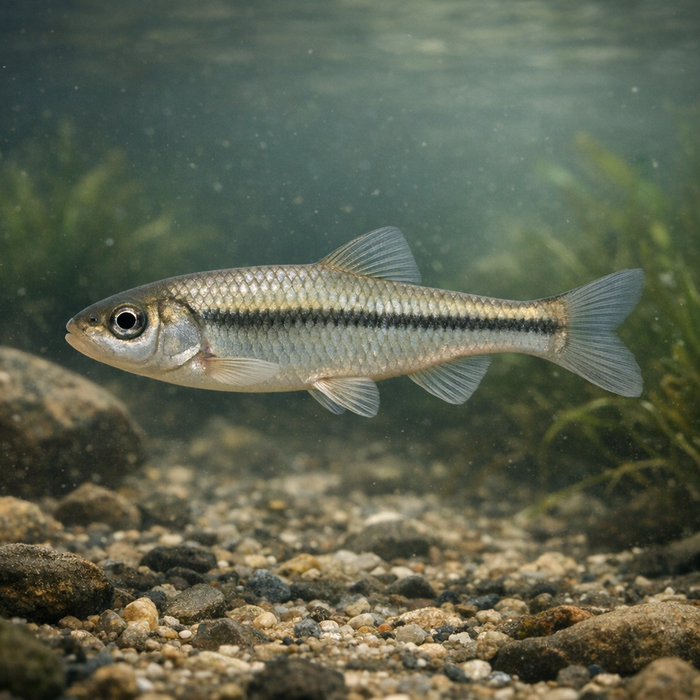
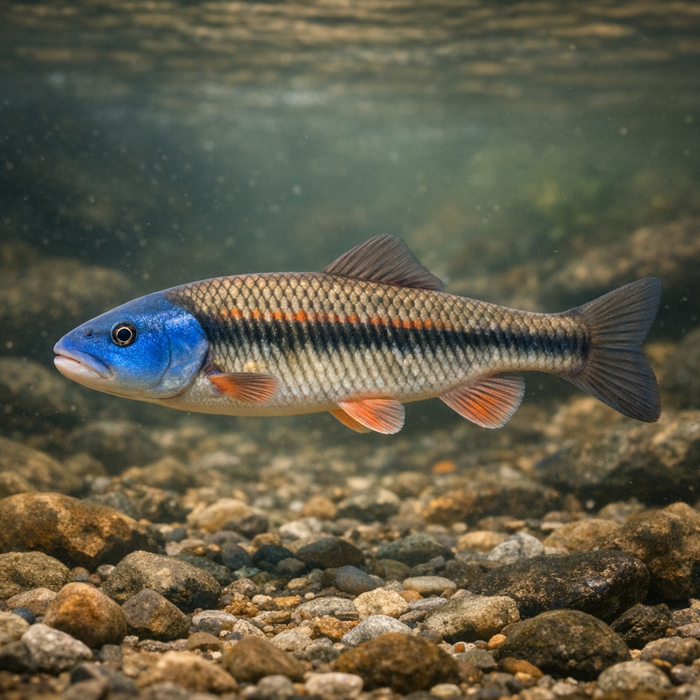
Tamaulipas shiner (Alburnops braytoni): A Bold, Memorable Hook LineIntroductionIf your idea of a trophy is measured in ounces, the Tamaulipas shiner is your kind of chaos. Tiny, chrome, and turbocharged in current, this minnow is catnip for microfishing diehards and a blink-and-you-miss-it dart for everyone else. It's not here to bend rods. It's here to test your knots, your patience, and your ability to read moving water like a surgeon.What Makes the Tamaulipas shiner Unique?The Tamaulipas shiner is built like a glittering exclamation point with fins. A crisp dark lateral stripe, big alert eyes, and a sleek, subterminal mouth make it a current specialist. During breeding, males flash a lemon-gold blush that vanishes as quickly as it came. They also play the numbers game: short lives, rapid growth, and multiple spawning pulses per warm season keep schools thick when conditions cooperate. If you're into Tamaulipas shiner facts, start with this: they're small fish living fast in a river that never stops moving.Habitat & Global RangeAsk about Tamaulipas shiner habitat and you'll hear one theme: flow. They thrive in clear, moving water, especially shallow riffles and runs over gravel or cobble. In the United States, they're a South Texas specialty tied to the Rio Grande and select tributaries; south of the border, they continue through northeastern Mexico. You'll spot them holding just off the fastest tongues of current, side-slipping into eddies, or hovering midwater over clean rock. They're not lake cruisers by choice, though backwaters and margins may collect schools when flows drop.Behavior & TemperamentCall them polite opportunists. The Tamaulipas shiner is a midwater picker, nabbing drifting invertebrates and organic bits rather than mauling prey. Schools form and reform constantly, like mercury beads on a tabletop. In brighter light they may slide deeper or edge toward cover. After thunderstorms bump the river, they seek slack pockets, but once the surge settles they return to the buffet line. They're not spooky in the trout sense, but they'll ghost away from clumsy wading or heavy shadows. Hook one on threadlike tippet and the "fight" is basically a vibrating paperclip in current.Ecological ImportanceThis little cyprinid is a delivery system for energy. It transfers the productivity of riffles and leaf-churned runs up the food web, feeding larger fish, wading birds, and riverine predators. Because Tamaulipas shiners favor clean, oxygenated, moving water, their presence often signals a river segment still doing its job. Lose the riffles to silt, lose the shiners, and you'll watch the rest of the food web wobble. They're also a boon to natural recruitment of sportfish that depend on dense forage pulses.Conservation & Environmental PressuresThe usual freshwater villains apply. Sedimentation from poorly managed runoff smothers gravel, strangling eggs. Reduced flows and channelization turn dynamic runs into lazy ditches. Warm, nutrient-rich water can push oxygen down right when these current-lovers need it most. Invasive species add competition and predation. While the Tamaulipas shiner isn't a poster child for extinction headlines, its playbook hinges on healthy riffles and consistent current. Break those, and this rapid-cycling species can stumble fast.The FishyAF TakeNo, the Tamaulipas shiner won't make your drag sing. But it will sharpen your water-reading instincts more than half the "hero fish" on social media. Thread a micro hook, sneak into position, and watch how a school paces a seam. Nail one and you'll appreciate just how dialed-in these fish are to flow. Chase them for the puzzle, for the proof that even three inches of silver can teach you something about rivers. The Tamaulipas shiner is humble, hyper, and absolutely worth your time.