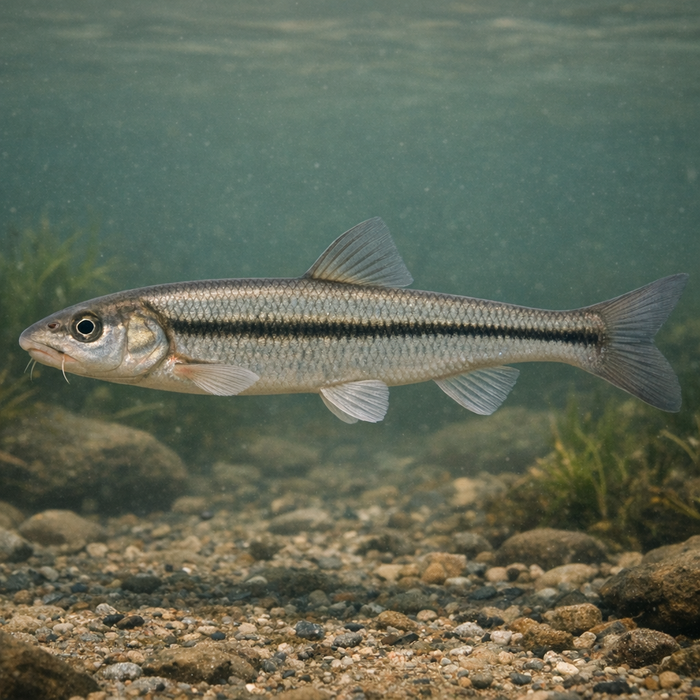
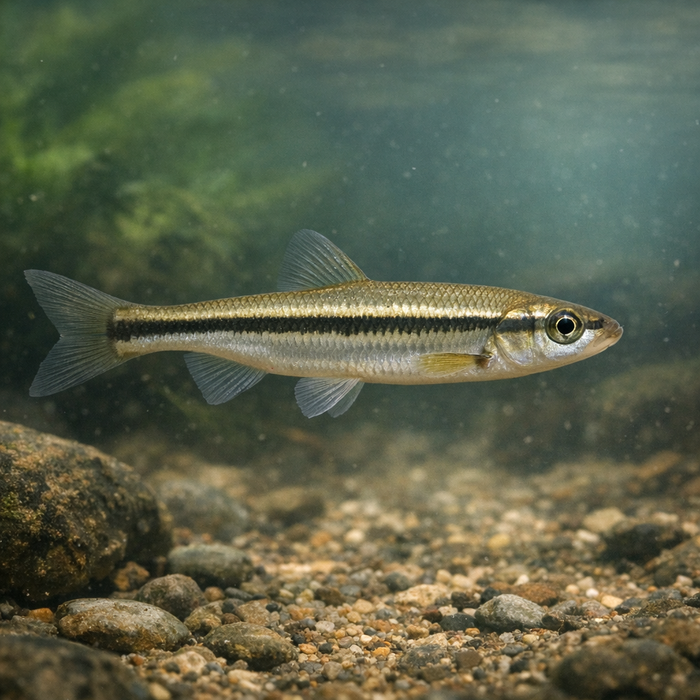
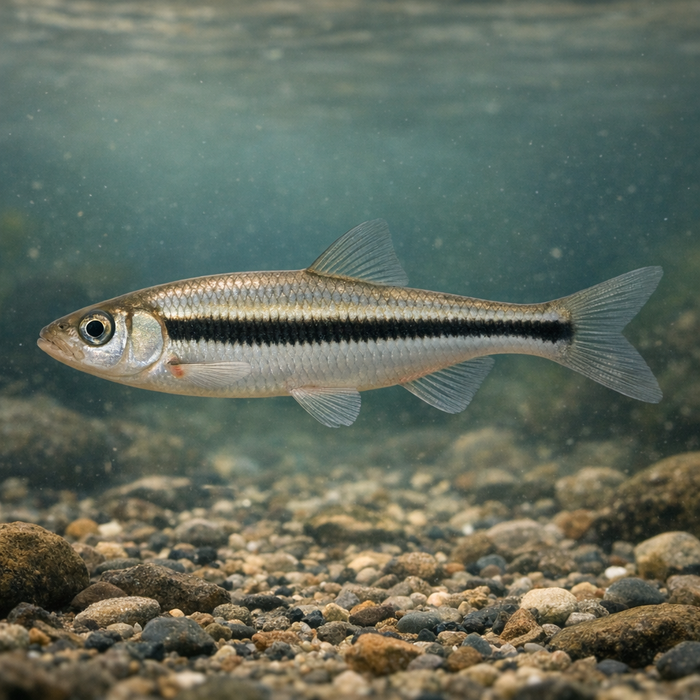
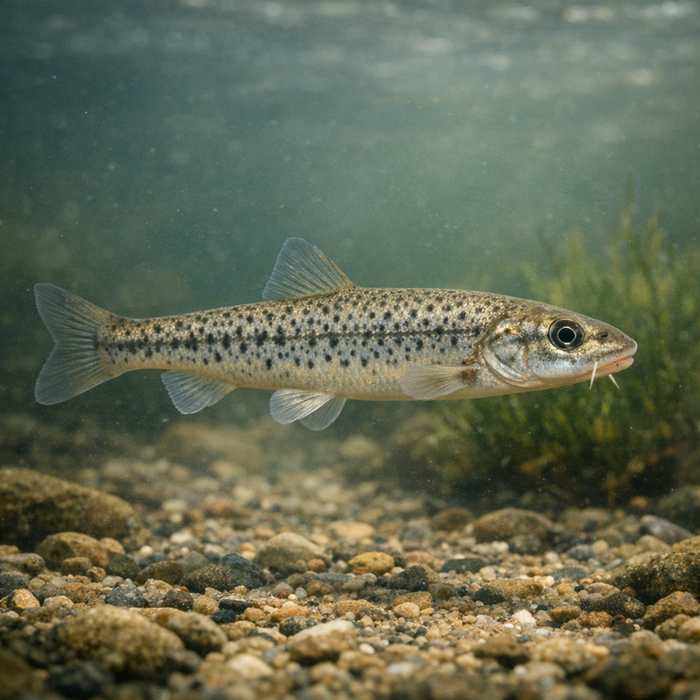
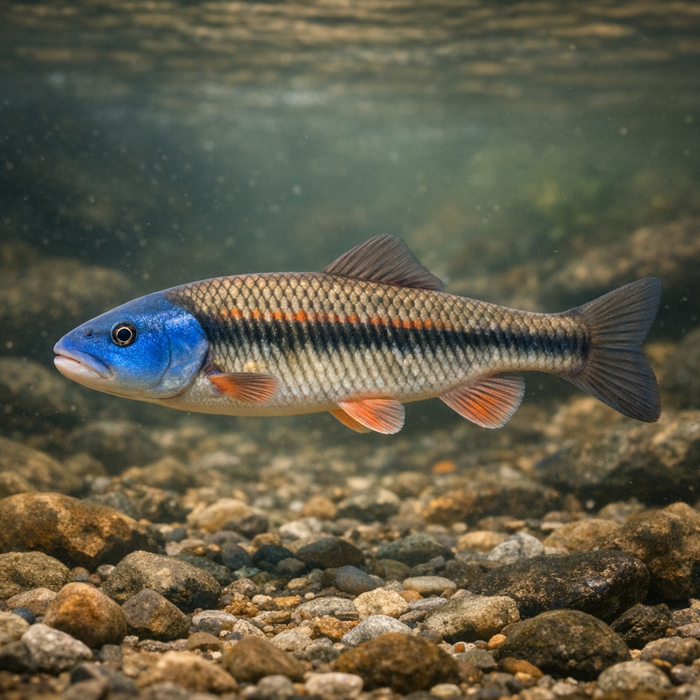
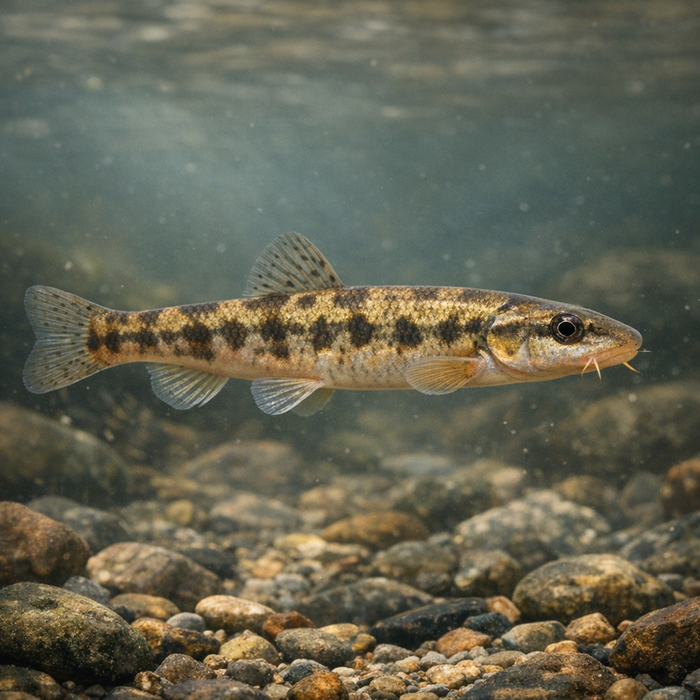
Plains Minnow (Hybognathus placitus): A Bold, Memorable Hook LineIntroductionThe plains minnow is the river rat of the Great Plains: small, scrappy, and perfectly tuned to shifting sand and rolling mud. While bass and trout hog the spotlight, this little cyprinid quietly runs the food economy of prairie rivers. If you're into microfishing or just love river biology with grit, the plains minnow will hook your curiosity fast.What Makes the Plains minnow Unique?This fish is a sand-sifter with an extra-long gut designed to wring nutrition from detritus and algae. It doesn't chase down prey; it vacuums the buffet. The real magic trick is its spawning strategy. Plains minnow eggs are semi-buoyant and drift downstream on high flows, hatching as they travel. That drifting life start requires big, uninterrupted river stretches, which is both genius and risky. Add in shoaling behavior that can stretch into the thousands, and you've got a species that bets on numbers and river pulses.Habitat & Global RangeLet's talk plains minnow habitat. This species thrives in turbid, sandy channels of prairie rivers and their tributary streams, from the Missouri and Arkansas basins to western Gulf drainages. Think shifting bars, gentle riffles, long runs, and backwaters with steady current. The fish is a true current cruiser; cut off the flow and the system stops fitting its playbook. You'll encounter them along seams near sandbars and in low-gradient channels where fine sediments collect. They handle high turbidity like champs and favor low to moderate velocities where drifting food concentrates. Dams, dewatering, and channelization carve holes in that map, but where natural flow remains, plains minnow numbers can still surprise you. For anglers searching "Plains minnow habitat," remember this: sand, turbidity, and connected current are the core ingredients.Behavior & TemperamentPlains minnows school tight, roam widely, and rarely act alone. They graze more than they hunt, mouthing the bottom, sifting fine particles, and picking film off substrates. Because they're small and live in murky water, they're not especially spooky, but clear water can make them skittish. Their fight is, well, almost theoretical; landing one is about finesse, not fireworks. Most action happens in daylight, with better feeding under softer light when predators relax. During higher flows, schools can slide edges and side channels, exploiting the conveyor belt of micro-food.Ecological ImportanceHere's where the plains minnow earns respect. It translates muddy productivity into fish flesh, feeding predators from larger minnows to catfish and even birds. The species' drifting-egg strategy syncs with natural flow pulses, turning floods into recruitment booms. Break those pulses with dams or diversions and recruitment can tank. Want a quick primer in river health? Plains minnow presence and robust year-classes say the system's still got some heartbeat left. Search "Plains minnow facts" and you'll see it pop up as a bellwether for intact, connected prairie rivers.Conservation & Environmental PressuresThe fish is generally listed as Least Concern overall, but that's a 30,000-foot view. Locally, fragmentation is brutal. Semi-buoyant eggs need miles of connected channel to develop; impoundments turn that drift into a dead end. Add sediment trapping, altered temperature regimes, and reduced turbidity, and you've re-written the life plan. Water withdrawals, droughts, and extreme weather stack the deck. The upshot: you'll still find plains minnows across a broad footprint, but stable, self-sustaining populations depend on rivers that function like rivers.The FishyAF TakeThe plains minnow is proof that not every worthy fish has a fan club or a shoulder mount. It's small, yes, but it's also a precision instrument built for prairie hydraulics. Anglers who appreciate system-level stories will love this one. Bring a micro hook, a pinch of bread, and some patience. If you put a few in hand, take a second to admire the design: streamlined, unflashy, perfect for its lane. The real flex isn't the catch photo; it's finding a run where the river still breathes, schools shimmer, and the conveyor belt of life is humming. That's the plains minnow's trophy moment, every time.