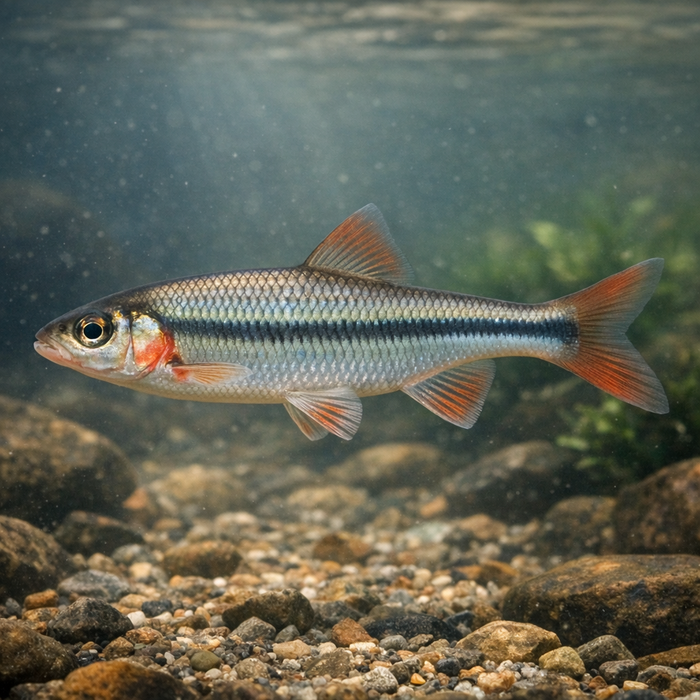
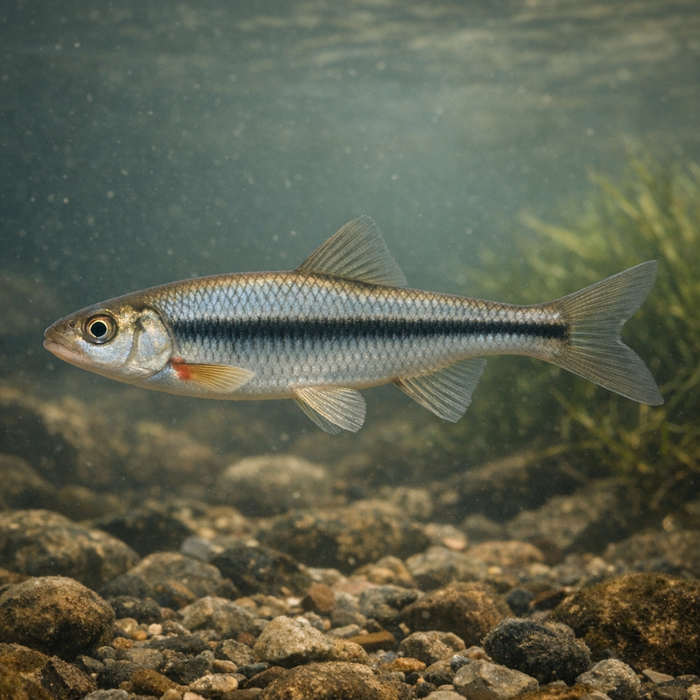
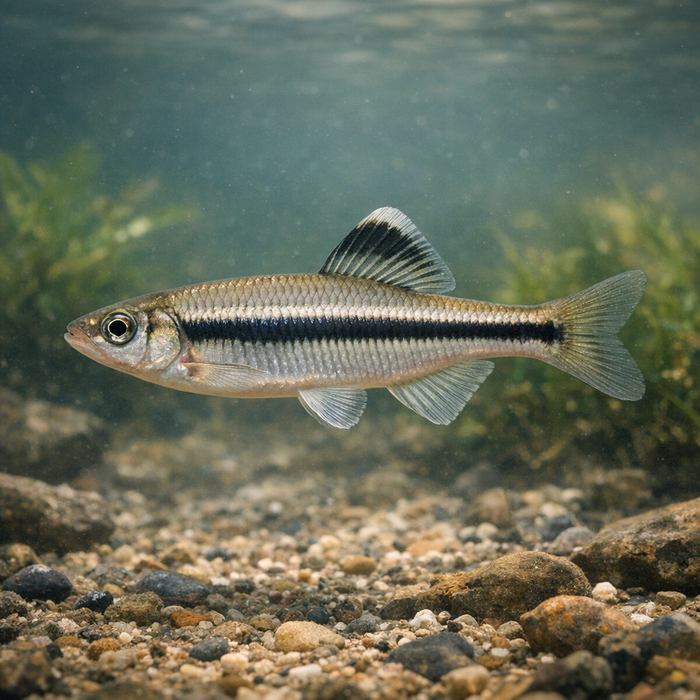
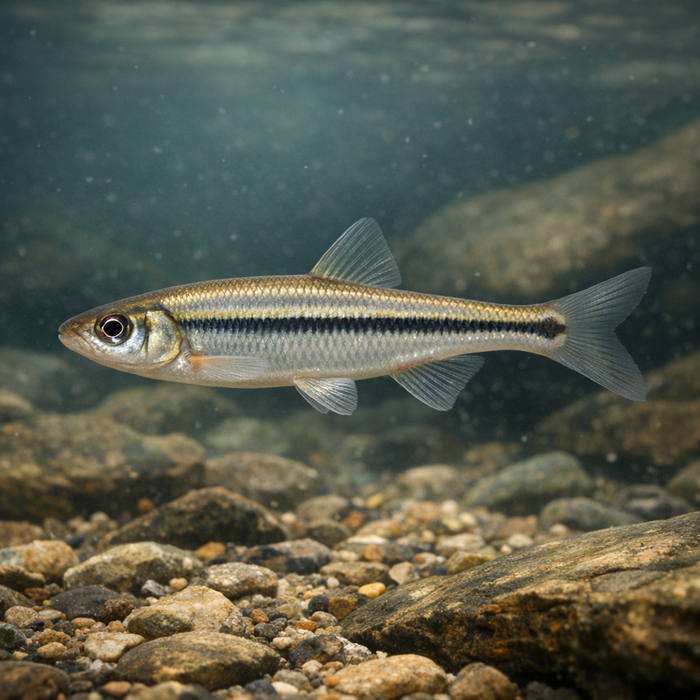
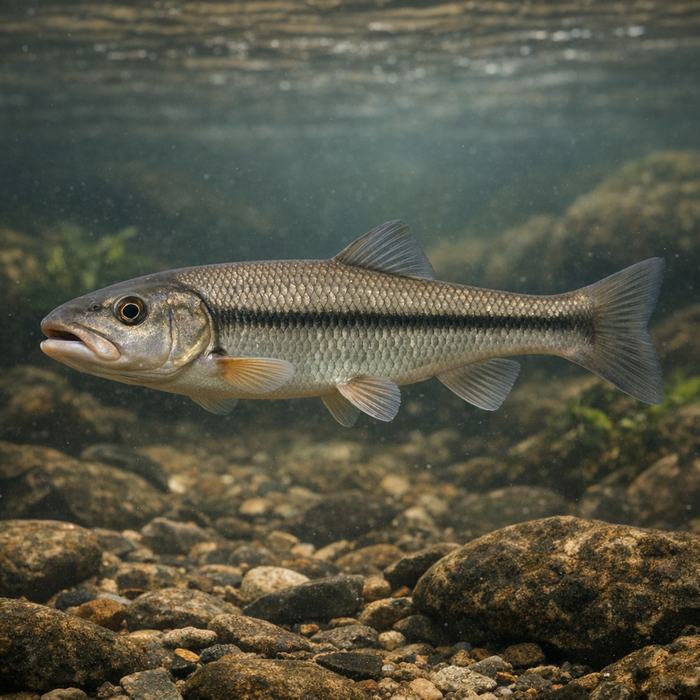
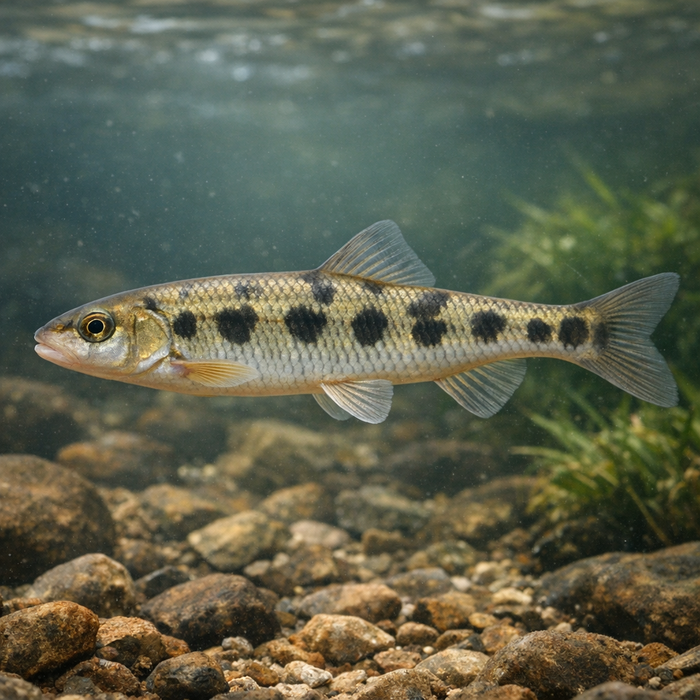
Speckled chub (macrhybopsis aestivalis): A Bold, Memorable Hook LineIntroductionThe speckled chub is the little river rocket you've probably stepped past a hundred times without noticing. It's small, fast, and glued to the sand in places most anglers ignore. But if you're into microfishing, current puzzles, and nerdy rivercraft, this minnow is sneaky addictive. Consider this your no-nonsense download on speckled chub facts and fish sense, minus the snoozy jargon.What Makes the Speckled chub Unique?Three things. First, the body is a purpose-built torpedo: slim profile, subterminal mouth, and a tiny barbel for feeling food in murky flow. Second, it breeds like a river nomad, releasing semi-buoyant eggs that drift downstream with rising water. That's a high-risk, high-reward strategy in shifting sands. Third, the namesake speckling actually works as camouflage, muting outlines over bright substrate where shadows scream predator bait. Put it together and you get a fish designed for swift, sandy channels where most species burn out.Habitat & Global RangeIf you're searching "Speckled chub habitat," think warm, turbid rivers with active sand. These fish work the shallow to mid-depth runs and riffles where the bottom isn't fixed; it's rearranged by every push of water. Historically, forms in this group stretched across major plains drainages, with regional lineages keyed to rivers like the Rio Grande, Red, Canadian, and Arkansas. Today, taxonomy and conservation carve up that history, but the playbook stays consistent: fast current, sand waves, and just enough turbidity to feel safer than seen.Behavior & TemperamentThe speckled chub is not a brawler. It's a drifter-hunter. They track microcurrents along the bottom, nip insect larvae from gaps in moving sand, and make short darts to intercept anything edible. Schools are loose until flows rise, then they bunch into tight seams where food density spikes. Don't expect surface shows; nearly everything happens in the lowest foot of the water column. Their wariness is situational: in clear water they ghost out fast, but in turbid runs you can practically be on top of them if your shadow stays off the lane.Ecological ImportanceThe speckled chub is small, but the job is big. They transform insect production in turbulent sand zones into fish food for the rest of the river. That makes them key transfer agents in plains systems that live or die by flow pulses. Their drifting eggs and larvae seed downstream habitats, repopulating reaches after droughts or scouring floods. Lose this group and you don't just lose a minnow; you punch a hole in the river's conveyor belt of energy.Conservation & Environmental PressuresHere's the rub: the speckled chub's world is built on movement, and we've been pinning rivers down. Dams flatten flow spikes. Channelization scrapes away sand complexity. Groundwater withdrawals turn steady summer current into disconnected puddles. On top of that, some regional lineages have taken hits from habitat fragmentation. While the broader species is often listed as Least Concern, certain relatives and populations are tracked or protected. The takeaway for anglers is simple: treat these fish like the fragile specialists they are. Wet hands, quick releases, and low-impact sampling go a long way.The FishyAF TakeIf you want a speckled chub, you're chasing a feeling, not a fillet. It's that grin you get after threading a micro hook, ticking bottom through a fast lane, and feeling a tiny "there it is" from a fish that lives millimeters off chaos. The speckled chub is a masterclass in current reading, a cheat code for learning sand structure, and a reminder that great fishing stories don't always need big scales and hero shots. You'll find more fun per ounce here than almost any fish in the river. That's the kind of math we can get behind.