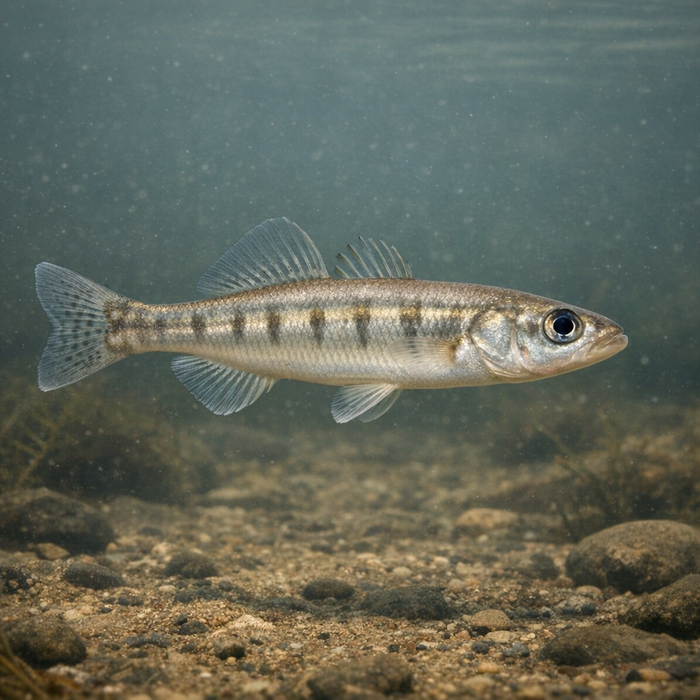
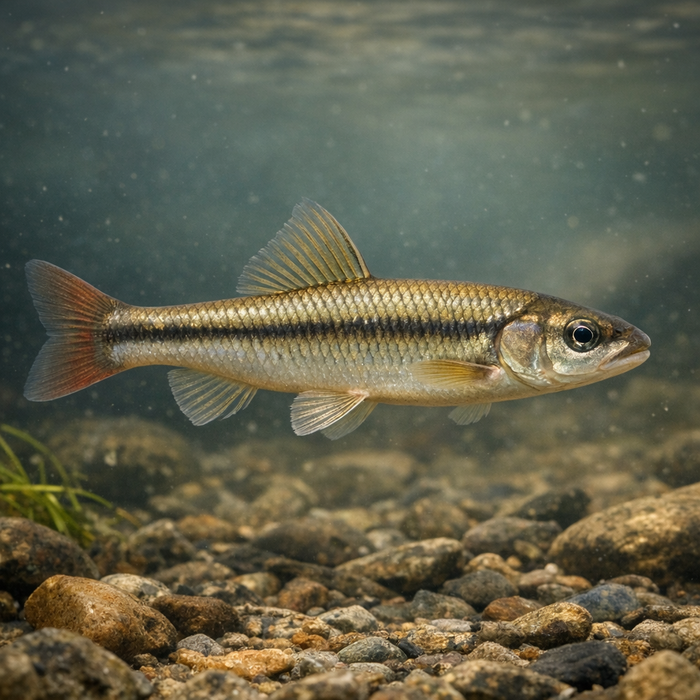
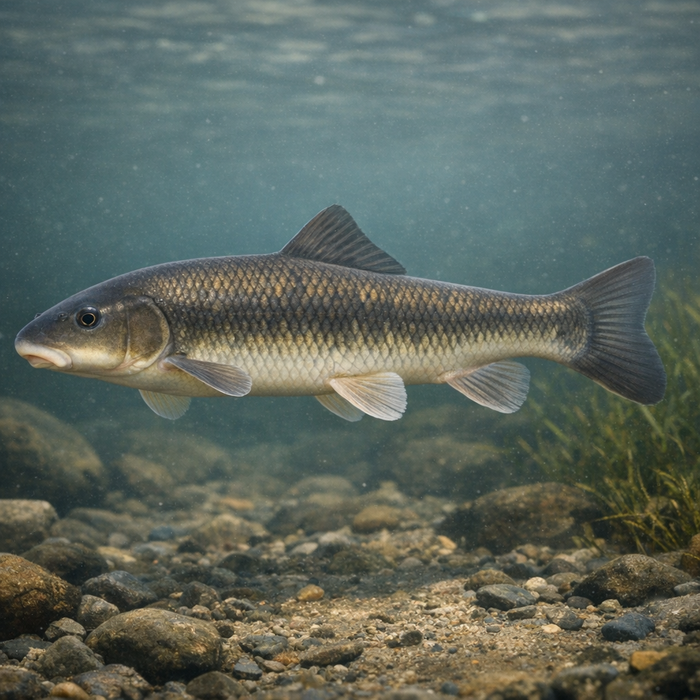
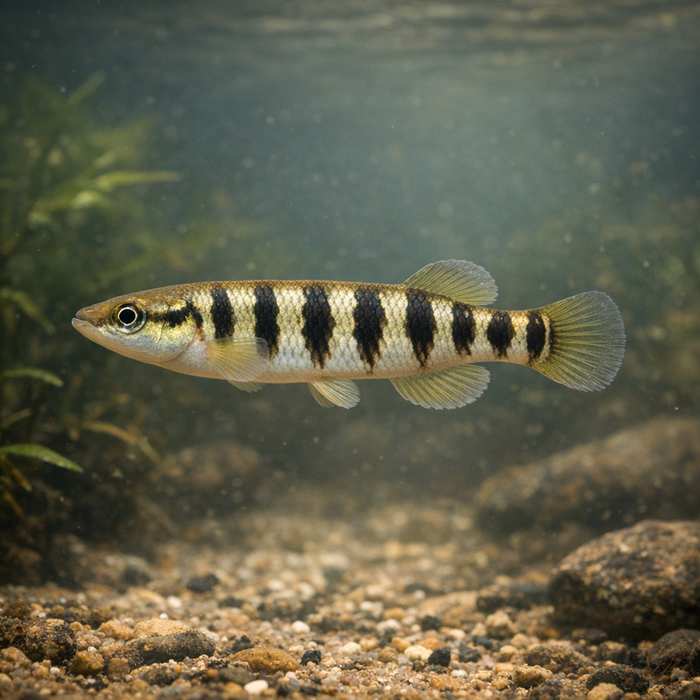
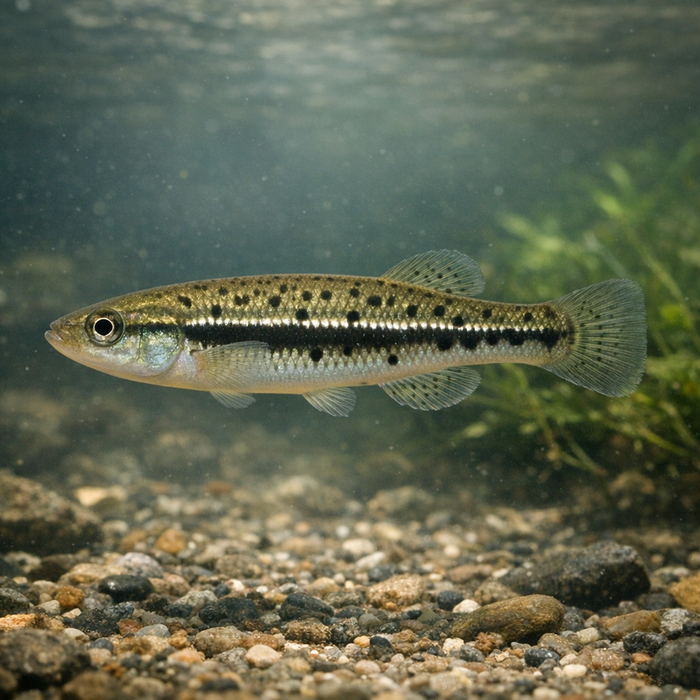
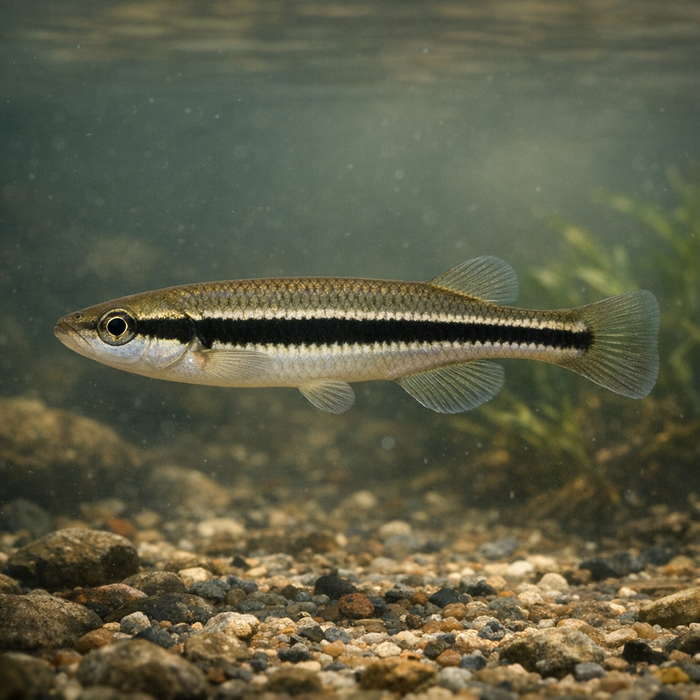
Sand Roller (Percopsis transmontana): Tiny, quirky, and rocking both spines and an adipose fin.IntroductionThe sand roller is the fish you notice only after it's already in your bucket. It's a pint-sized native of the Pacific Northwest that looks like a trout and a perch shared a toolkit, then decided to hug sand like it's a lifestyle. Not a classic sportfish, sure, but if you're into microfishing, fish biology oddities, or just understanding river ecology, this little unit is full of surprises. Consider this your no-BS primer on sand roller facts without the dusty textbook vibe.What Makes the Sand Roller Unique?Start with the hardware. The sand roller carries an adipose fin like a salmon, yet sports spiny rays more typical of perch. That mashup is weird in a very cool way and points to its place in the ancient family Percopsidae. Next, the eyes. They're big relative to the body, a clue to crepuscular habits and murky-water comfort. And finally, the texture. Those ctenoid scales are rough enough to feel like fine grit, which actually suits a fish that spends its life pressed to sand and fine gravel. It's not just small. It's purpose-built small.Habitat & Global RangeLet's talk sand roller habitat. Picture lowland rivers and larger streams with clean sand lanes, gentle riffles, and broad pool tails. They also slip into sloughs and reservoirs where sandy benches exist. Think Columbia Basin waters that swing from chocolate milk during runoff to clear and lazy in late summer. The fish keeps close to the bottom, often sliding along transition zones where current lets go. That's its stage, and it plays the same quiet role day after day.Behavior & TemperamentSand rollers are bottom cruisers. They keep a low profile and move in small, loose groups, flaring active at dawn and dusk. In peak flow, they'll ride the softer seams; when the river settles, they spread over flat sand like scattered punctuation. Spawning fires up with warming spring flows, with activity over sand and fine gravel. Juveniles drift with the night before settling into the bottom-hugging life. No, they won't peel drag. But watch one pause, angle down, and vanish into its own shadow. That's expert-level stealth.Ecological ImportanceThis species is pure glue for river food webs. It vacuums up tiny invertebrates and becomes prey for larger fish and birds, passing both energy and nutrients up the ladder. In a basin famous for salmon and steelhead, the sand roller is background talent that keeps the show going. Healthy populations are a subtle signal that sandy habitats and flow patterns are still doing their thing.Conservation & Environmental PressuresThe sand roller reads as Least Concern overall, but that's not a free pass. Channelization that scrubs away natural sand benches, sediment pulses that smother gravel with silt, and flow regimes that erase spring cues can all squeeze this fish. It doesn't need pristine headwaters; it needs workable sand habitat, seasonal rhythm, and enough clarity to see and feed during low light. Keep those intact and the species hums along.The FishyAF TakeThe sand roller won't headline your brag board, and that's the point. It's the archetypal undercard fish that tells you the river's fine-tuned. You learn a lot by paying attention to tiny things with weird gear, and this species is textbook FishyAF: unglamorous, specific, and stubbornly adapted. If your curiosity runs hotter than your ego, chasing a sand roller or two will teach you more about current seams, substrate, and timing than a pile of generic how-tos. File it under underrated and oddly satisfying. Also, now you've got legit sand roller facts in your pocket.