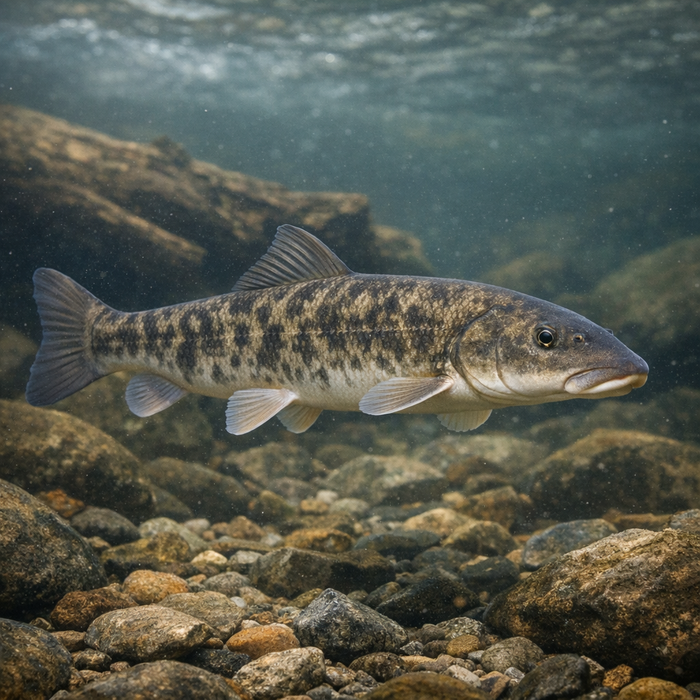
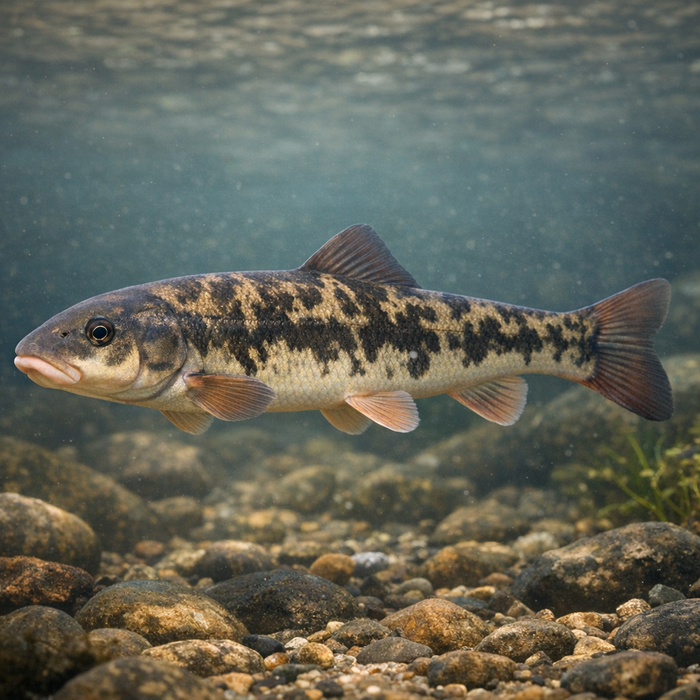
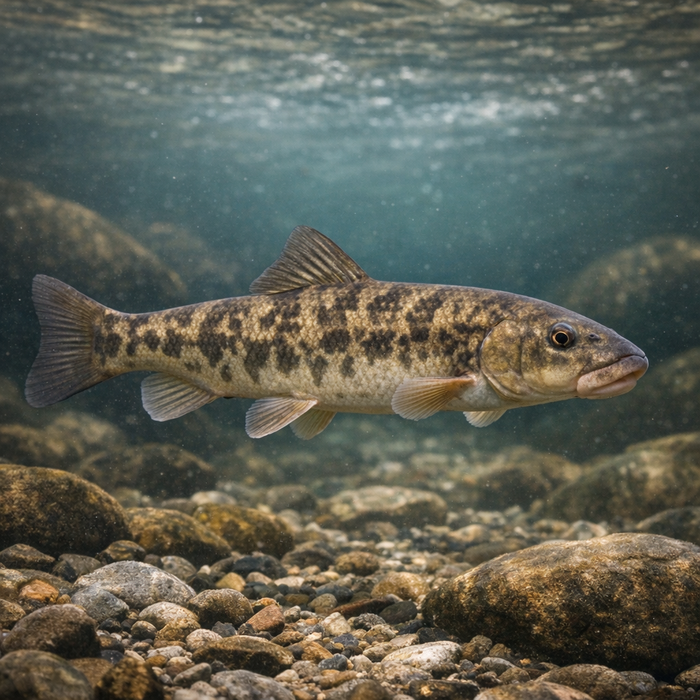
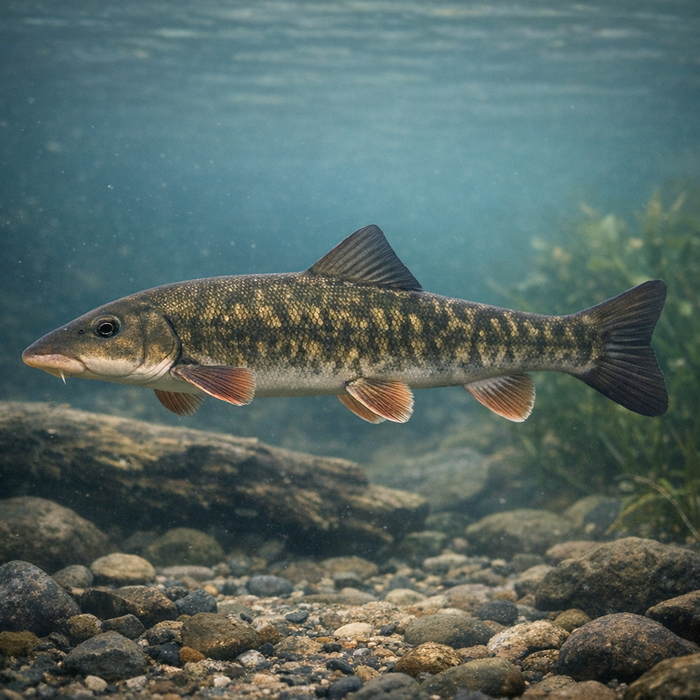
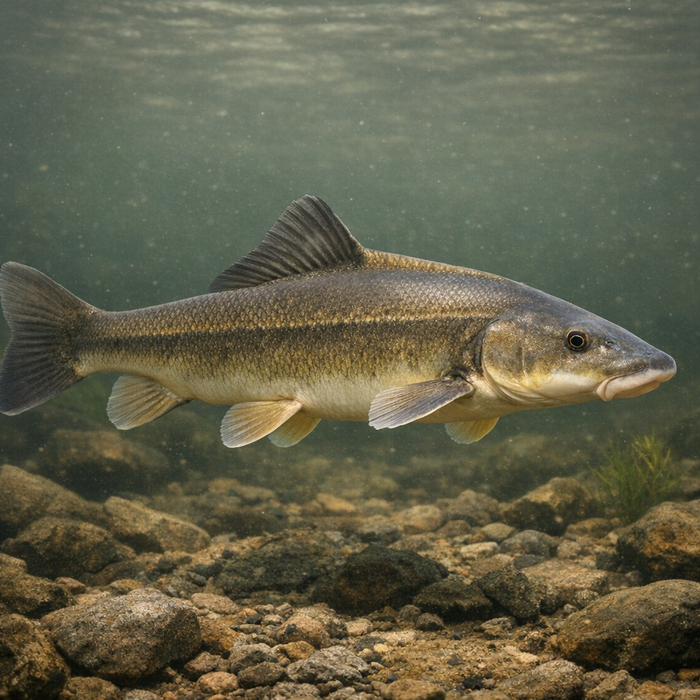
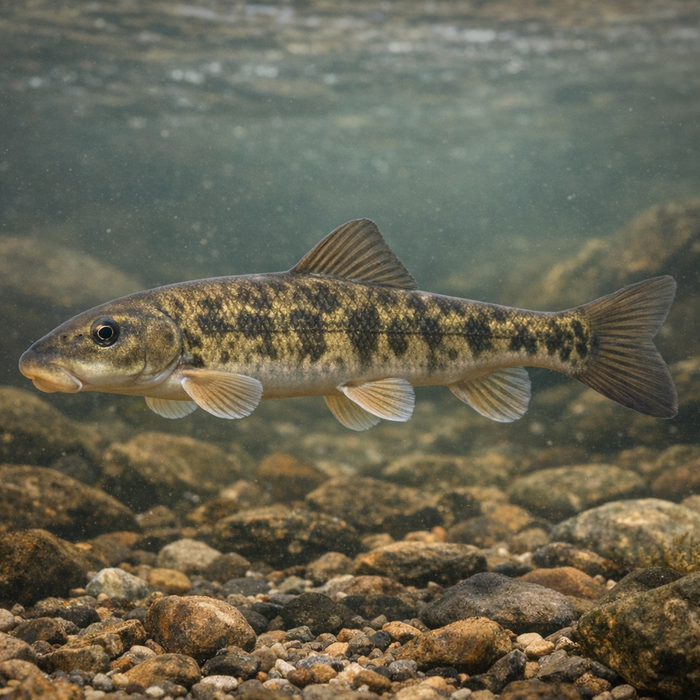
Sacramento sucker (Catostomus occidentalis): A Bold, Memorable Hook LineIntroductionThe Sacramento sucker is California's underappreciated workhorse: thick-lipped, bronze-backed, and glued to the bottom like it pays rent there. Trout anglers curse it, kids love it, and anyone with a light rod and a box of worms can have a day. If you want Sacramento sucker facts with some actual fishing value, you're in the right place.What Makes the Sacramento sucker Unique?Start with the mouth. The Sacramento sucker's big, fleshy, papillose lips aren't pretty, but they're purpose-built for vacuuming algae and invertebrates from gravel and cobble. That sucker rig is a precision tool, letting the fish graze efficiently without chasing. Second, these fish are homers. Adults make spring runs into riffles and return to the same stretches year after year with impressive accuracy. Finally, they're tougher than the reputation. The Sacramento sucker shrugs off turbidity, swings in flow, and temps that panic more fragile species, yet it still wants clean, loose gravel for spawning.Habitat & Global RangeIf you're scouting Sacramento sucker habitat, think California first. They anchor the Sacramento-San Joaquin system, Sierra foothill tributaries like the American and Feather, and notable coastal drainages such as the Russian River. Clear Lake is a heavyweight producer. In moving water, look for tailouts, riffle edges, and wide, bouldery flats where current spreads and food drops out. In lakes, they cruise gently sloping shorelines, creek mouths, and areas with firm substrate. Depth is often modest; 2 to 10 feet covers most action, though they'll slide deeper in summer and during high, cold runoff.Behavior & TemperamentThe Sacramento sucker is a bottom grazer with manners. It noses along, stirring up puffs of silt, then settles back into a low, steady rhythm. Aggression is low; wariness can be high in clear water. Spawning typically fires in late winter through spring as temperatures nudge into the 50s, with tight clusters of fish jostling over clean gravel. Outside of that mayhem, they're more solitary or loosely grouped. Don't expect explosive runs when hooked. Think steady bulldogging with a head-shake or two. Time of day matters less than conditions, but low light and stable flows usually help.Ecological ImportanceCall them the river's janitors in the best possible way. By scraping algae, sifting detritus, and kicking up sediments, Sacramento suckers aerate gravel, free up invertebrates, and cycle nutrients. That "bioturbation" supports the whole neighborhood, from mayflies to minnows to predators that shadow suckers for an easy snack. Young suckers feed a laundry list of wildlife, while adults move energy from algae and bugs into higher trophic levels. When you see healthy sucker runs, you're often looking at a watershed still hanging onto its seasonal heartbeat.Conservation & Environmental PressuresThe Sacramento sucker is adaptable, but not invincible. Dams and diversions can block migrations and starve spawning riffles of clean gravel. Fine sediment smothers eggs. Prolonged drought, supersized floods, and heatwaves shuffle timing and squeeze habitat. Non-native predators pressure juveniles in reservoirs and slow backwaters. The good news: this species remains widespread and resilient across much of its range. Protect flows, keep gravel loose and clean, and the sucker keeps doing the quiet, unglamorous work that might just keep salmonids happy too.The FishyAF TakeIf you're too proud to fish for suckers, enjoy your empty net. The Sacramento sucker is honest sport: technical enough on flies to make you dial presentation, easy enough on bait to keep newcomers smiling, and everywhere there's a decent riffle and a little patience. It's a native that tells the truth about river health and offers steady action when glamour species ghost you. Learn the subtleties, respect the fish, and you'll start seeing "trash fish" as a legit target. That's the real Sacramento sucker habitat secret: right under your nose, doing the river's real work.