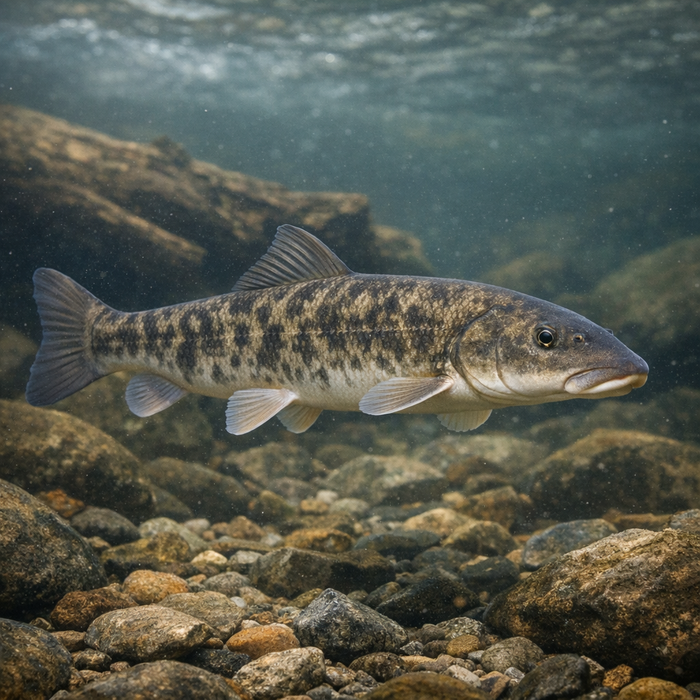
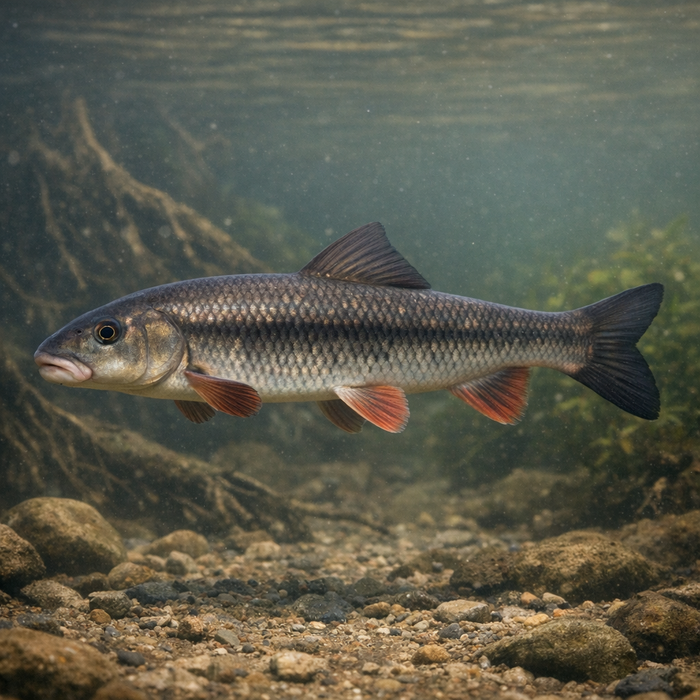
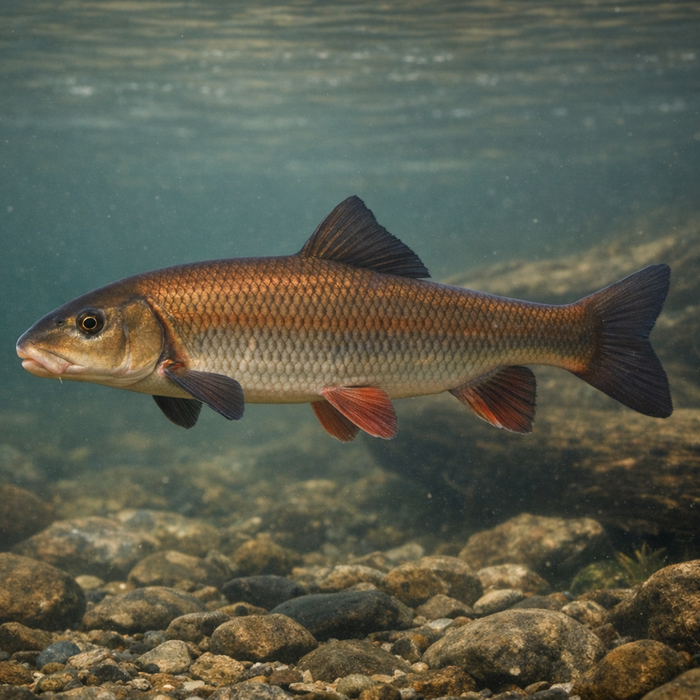
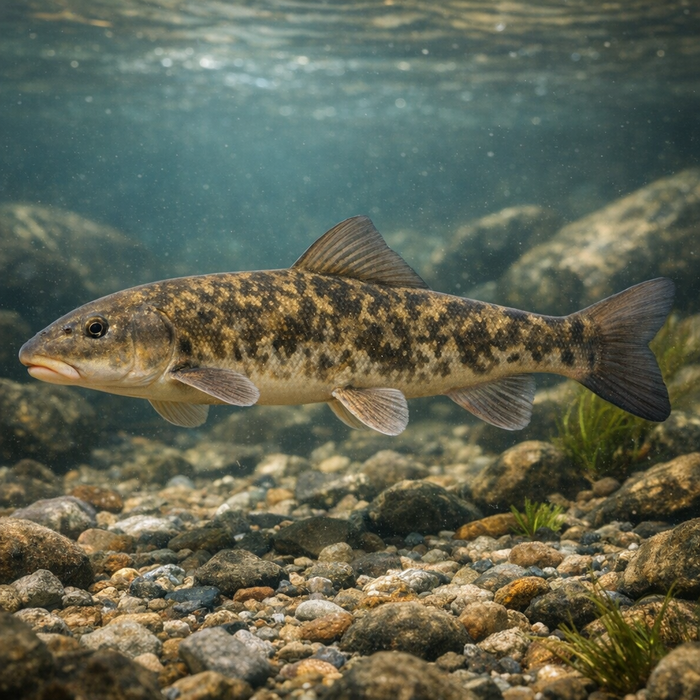
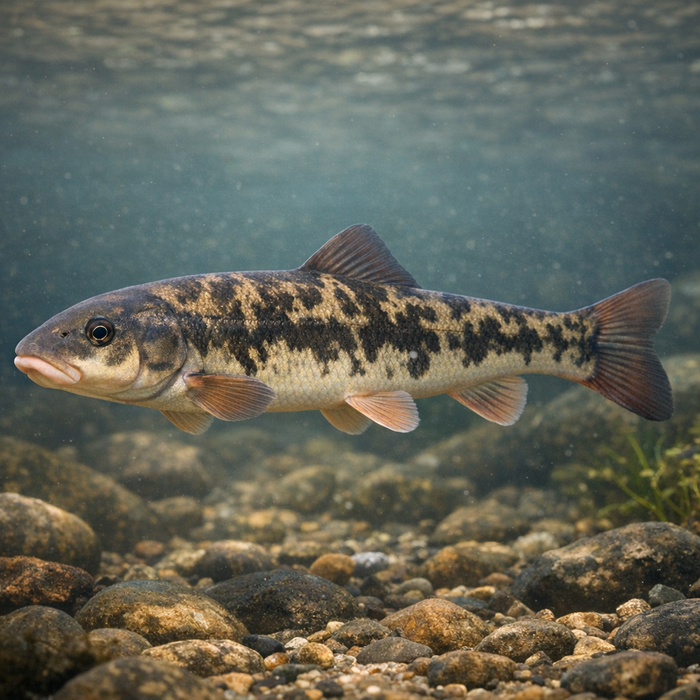
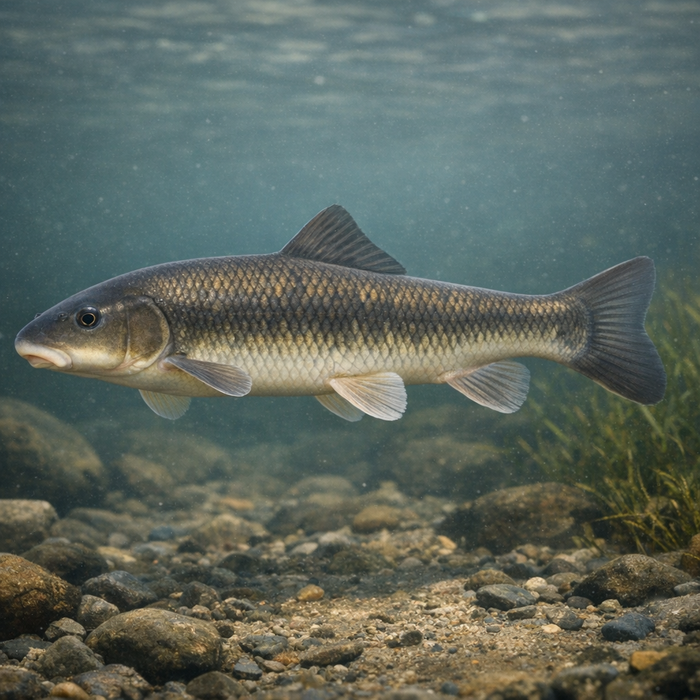
Rio Grande Sucker (Catostomus plebeius): The stealthy stream grazer hiding under your boots.IntroductionIf you fish the upper Rio Grande drainage and think only trout live in riffles, the Rio Grande sucker is here to mess with your worldview. This small native rough fish hugs the bottom, vacuums rocks for a living, and survives where flash floods and droughts take turns beating up the river. It's not flashy, it won't spool you, but it will make you rethink how life thrives in thin water.What Makes the Rio Grande sucker Unique?Start with the mouth. The Rio Grande sucker sports thick, fleshy lips etched with comb-like ridges that scrape diatoms and algae clean off cobble. That scraping toolkit, paired with a downturned, highly mobile gape, turns rocks into salad bars. During spawning, males develop rough breeding tubercles and can show a bronze wash with brighter fin edges, then bulldoze gravel in riffles like tiny earthmovers. And unlike introduced white suckers, this native is fine-tuned to the Rio Grande's fickle flows, riding out low water and sudden surges that would scatter less adapted fish.Habitat & Global RangeThe Rio Grande sucker is, shocker, a Rio Grande specialist. It occupies the basin from southern Colorado through New Mexico into west Texas and parts of northern Mexico. Think clear riffles, cobble-bottom runs, and shallow margins with steady current and good periphyton growth. You might see them in irrigation ditches connected to the main stem or tucked below small diversion dams. While reservoirs can host them near inlets, classic Rio Grande sucker habitat is knee-deep or less, with broken current, clean gravel, and just enough cover to dodge herons and the occasional curious angler. If you're collecting Rio Grande sucker facts, remember: water quality and substrate matter more than depth.Behavior & TemperamentThese fish are bottom-locked grazers with a cautious vibe. They cruise short routes, key on current seams, and rarely leave the substrate to feed. Groups form loosely in productive riffles, then scatter if a shadow falls across shallow water. They aren't fighters in the traditional sportfish sense, but they're surprisingly good at spitting hooks. Presentations that drift naturally along the bottom, without drag, are the only ones that get a sniff. Sudden flow changes push them into calmer margins; stable conditions bring them back to the riffle buffet. During spring, adults stack tightly on gravel to spawn, often in comically skinny water.Ecological ImportanceThe Rio Grande sucker is a periphyton control machine. By grazing algae films and dislodging invertebrates, it recycles nutrients, clears rock surfaces, and subtly reshapes microhabitats for everything from caddis to stoneflies. That bottom work benefits trout too, by keeping riffle stones from getting smothered in algae. It's a quiet engine for stream health, especially where native fish communities still hang on amid water development and non-native introductions.Conservation & Environmental PressuresThis species has weathered a messy century: dewatering, channelization, sediment pulses from wildfires, and competition with introduced suckers and carp. Hybridization with white sucker further complicates status tracking. Local populations can be patchy and fragile during drought. Habitat restoration that protects baseflows, mutes sediment surges, and preserves riffle-run complexity is the unlock. Angling pressure is typically low, but careless wading in spawning riffles or rough handling can hammer a small population fast.The FishyAF TakeThe Rio Grande sucker is a native underdog that rewards patience and precision. Treat it like a finicky trout that won't leave bottom and you'll get the idea. When you finally pin one on a micro nymph in ankle-deep current, you're connecting with the river's maintenance crew, not just another fish. If you're into Rio Grande sucker habitat and the subtle game of clean drifts over cobble, this species is catnip. Small fish, big respect.