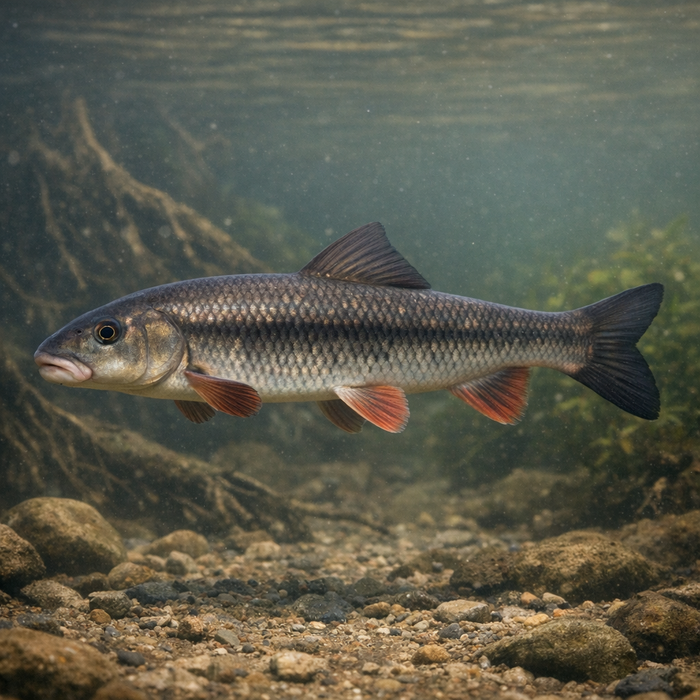
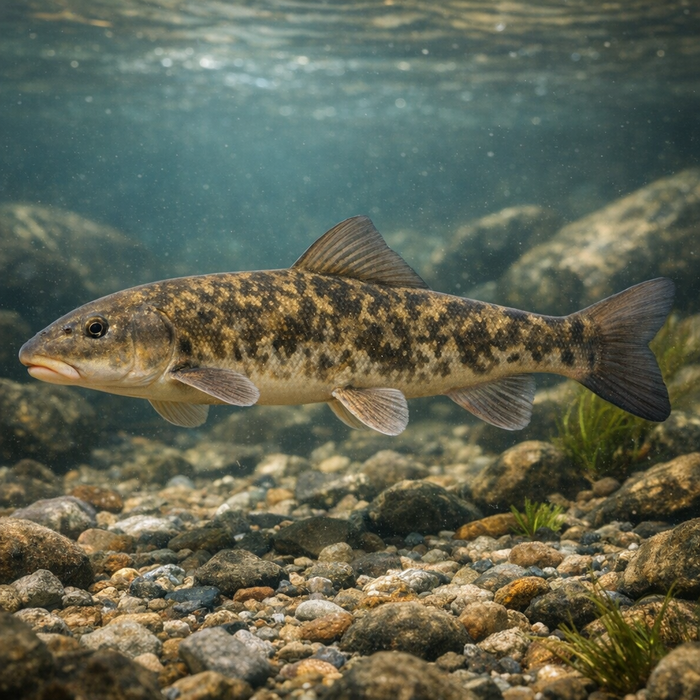
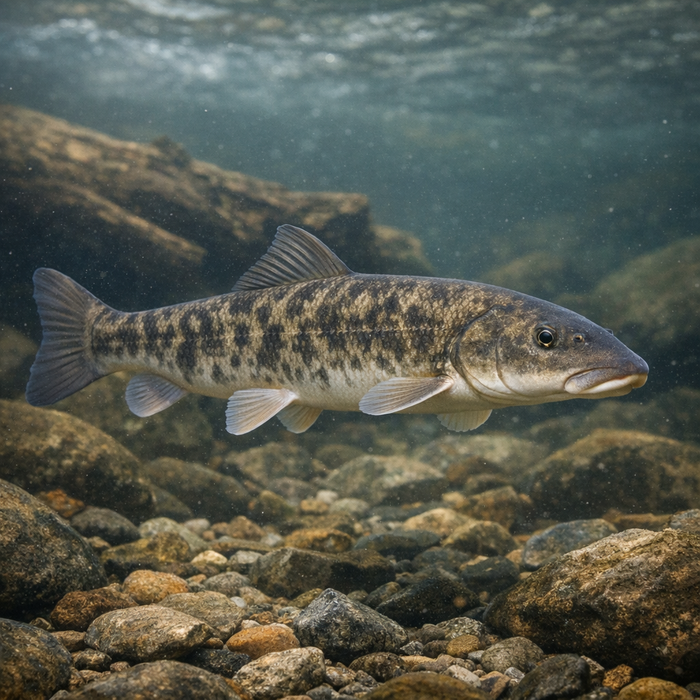
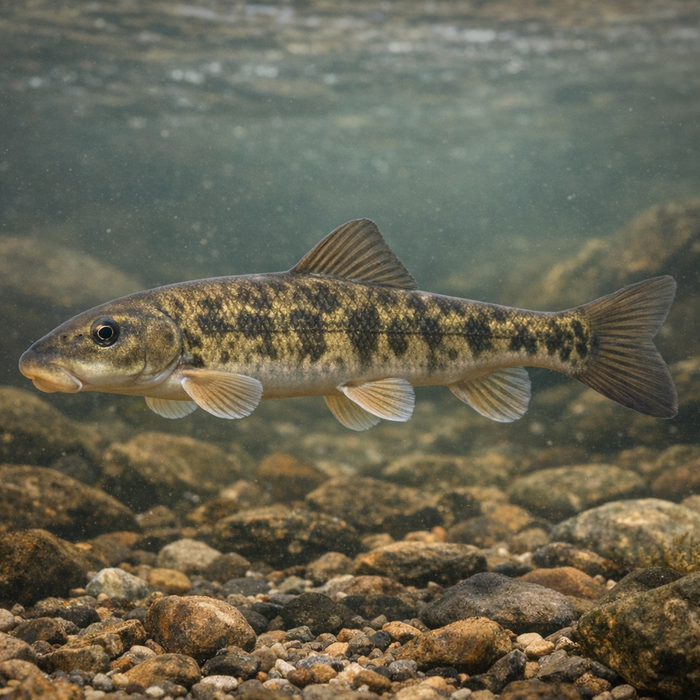
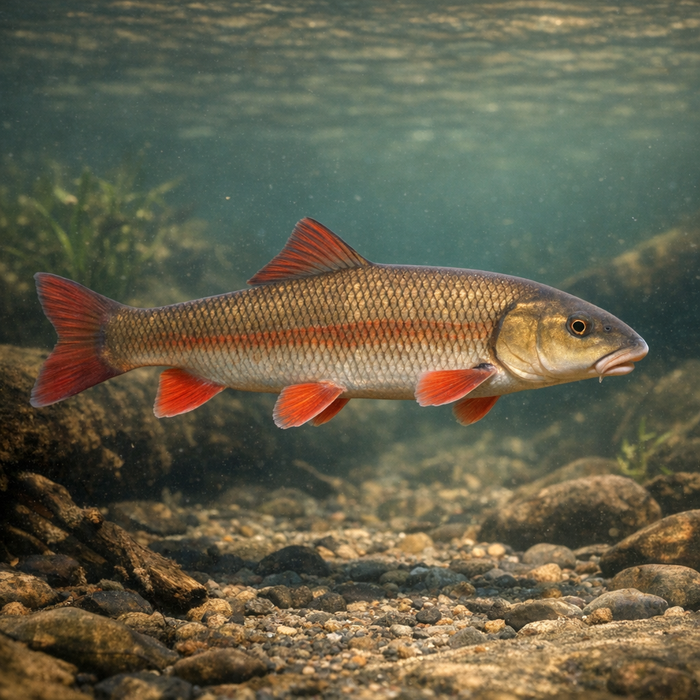
Greater Redhorse (Moxostoma valenciennesi): Red Tail, Clean Current, Zero NonsenseIntroductionIf you think suckers are just background fish, the greater redhorse is here to argue back with a copper tail and a stubborn engine. This big-bodied Moxostoma prowls clean current, vacuums up invertebrates like a Roomba with fins, and will tow your rig through gravel as if it owns the river. For anglers who want something real, wild, and overlooked, the greater redhorse delivers.What Makes the Greater redhorse Unique?Start with the mouth. The greater redhorse sports a downturned, rubbery-lipped vacuum designed for hoovering insects, snails, and micro-crustaceans from gravel. It's finesse feeding at its finest. Then there's the hardware: a squared dorsal fin and broad caudal peduncle that translate into tractor-pull power in current. And yes, the namesake tail often flashes brick-red to copper, especially in clear water. Mix in a lifespan that can stretch two decades and a homing instinct for specific riffles, and you've got a fish with more personality than most river regulars. These aren't generic bottom-feeders; they're specialists. File that under useful Greater redhorse facts.Habitat & Global RangeIf you're scouting Greater redhorse habitat, put your chips on cool, clean, moderate to swift rivers with cobble-to-gravel substrate. This species centers on the Great Lakes basin and big tributaries of the upper Mississippi and connected northeastern drainages. They'll use deeper runs and pools as staging areas, then slide up to riffles and tailouts to feed or spawn when flows and temperatures line up. Lakes and impoundments aren't off limits, but the best fishing typically connects to moving water with oxygen-rich seams and minimal silt. Silt is the enemy; clean gravel is the home field.Behavior & TemperamentThe greater redhorse is not a reckless striker. It's deliberate, wary, and totally locked on the bottom. Feeding windows often cluster around low-light periods, stable weather, and moderate flows. During spring, prespawn schools migrate to spawning riffles where males develop fine breeding tubercles and the river suddenly gets loud with thrashing fish. Outside of the romance, expect small pods or loose groups that roam along depth breaks and seams. Hook one, and the fight is a bulldogging grind with heavy headshakes and stubborn, current-assisted runs. Not flashy. Just pure torque.Ecological ImportanceThe greater redhorse is a river janitor with class. By rooting through gravel, it stirs and cleans substrate, cycling nutrients and keeping interstitial spaces open for insects and mussels. It's also a clean-water bellwether: healthy redhorse populations usually signal oxygen-rich flow and low sediment loads. Some anglers sleep on suckers; meanwhile, these fish keep the aquatic neighborhood running.Conservation & Environmental PressuresHere's the rub: the greater redhorse needs clean, connected water. Dams block migrations to spawning riffles. Excess silt smothers eggs and the very bugs these fish depend on. Channelization erases the seams and tailouts that make a river worth fishing. While the species is generally considered stable across much of its range, local declines happen when gravel gets buried or movements are cut off. Habitat restoration, dam removal or passage, and simple stormwater improvements punch far above their weight for this fish.The FishyAF TakeThe greater redhorse is the river's underrated heavyweight. It asks you to show up with stealth, small hooks, and respect for current lines. Miss the details and you'll swear they're uncatchable. Nail them and suddenly your "rough fish" has you grinning at a bronze torpedo with a red flag for a tail. For anglers who measure success in tug-per-dollar and unpressured water, the greater redhorse is prime. Want more Greater redhorse facts? Here's the only one that matters: treat it like a worthy target and the river opens up. That's the kind of lesson that sticks.