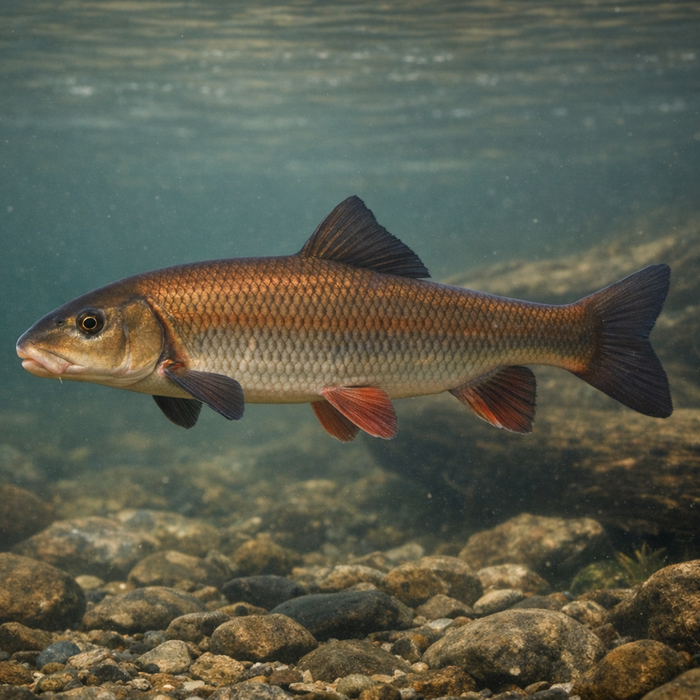
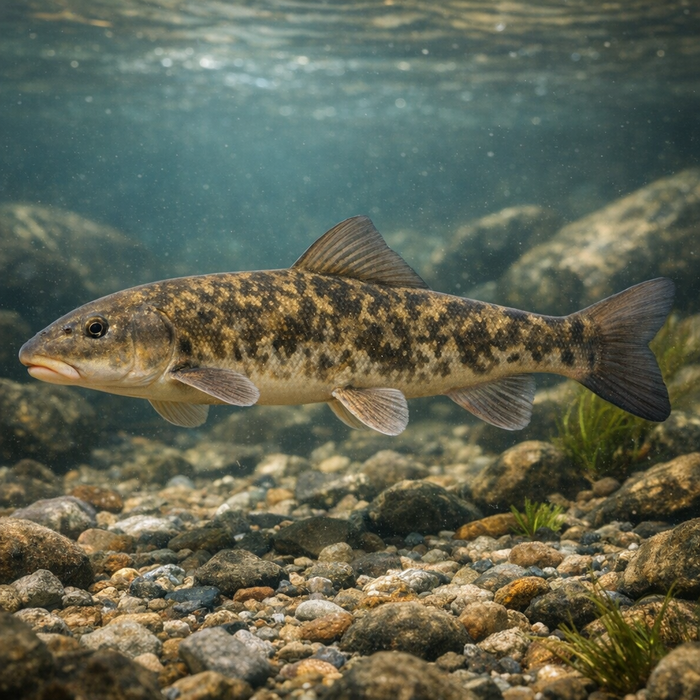
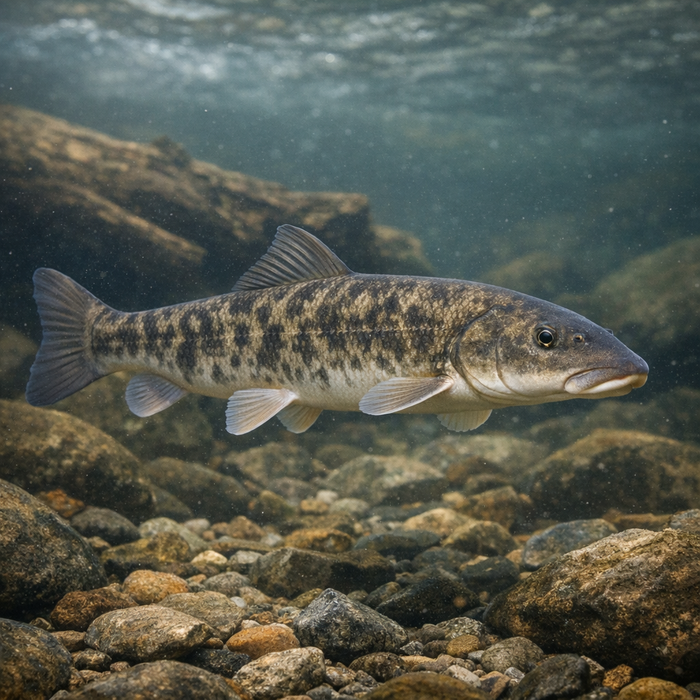
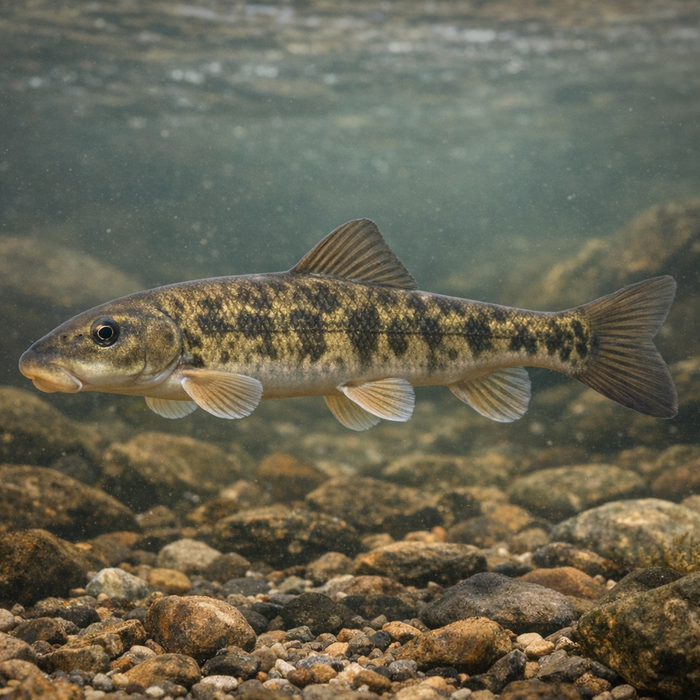
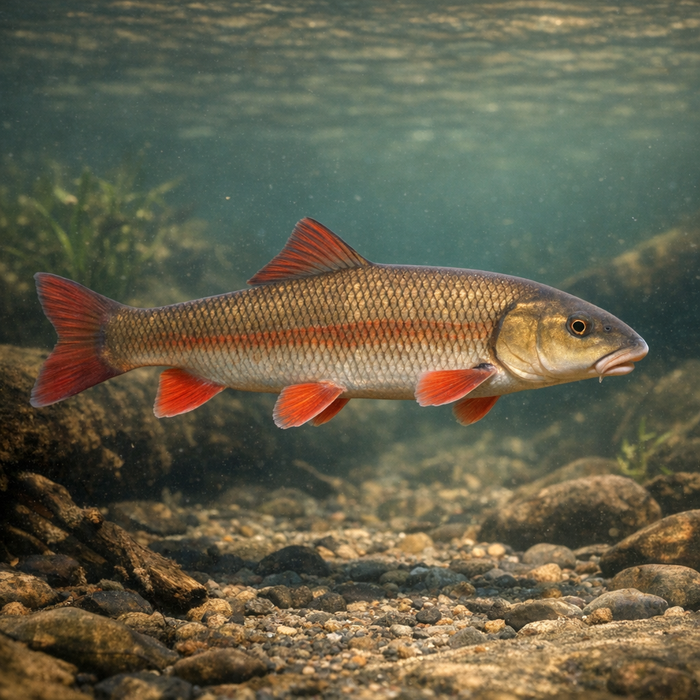
Black Redhorse (Moxostoma duquesnei): A Bold, Memorable Hook LineIntroductionThe black redhorse is proof that not all river trophies have teeth. Sleek, bronze, and built like a current-loving torpedo, this sucker species turns clean riffles into its personal buffet line. If you've ever watched a perfect seam and wondered why your bait keeps vanishing without drama, you were probably getting hustled by a black redhorse.What Makes the Black redhorse Unique?Two things set this fish apart from the usual suspects. First, the mouth. It's a precision tool that vacuums caddis, mayfly nymphs, snails, and micro-crustaceans out of the rubble. Second, it wears a crisp, dark edge on the tail that gives the species its name and makes fresh fish pop in the net. Add in springtime breeding tubercles on males and you've got a fish with style and purpose. Black redhorse facts that surprise newcomers: they fight harder than their "rough fish" label suggests, and their presence screams healthy water.Habitat & Global RangeThis is a clear-water specialist. Think Black redhorse habitat with clean gravel, moderate current, and lots of dissolved oxygen. They favor riffles and runs of small to medium rivers, plus select lake outlets and Great Lakes tributaries. The species is anchored across the Midwest and Great Lakes basin, with threads into the Ohio River system and parts of the Northeast. Don't expect them in muddy, sluggish ditches; do expect them wherever cobble shines and periphyton clings to rock.Behavior & TemperamentBlack redhorse hold tight to the bottom, letting current deliver the goods. They track subtle seams like pros, nipping invertebrates with infuriatingly light takes. Despite a calm demeanor, they're powerful in short bursts and can ghost away at the first bootstep or sloppy cast. Spawning kicks off in spring when water temps creep into the upper 50s, often in communal riffle scrums. Outside of peak romance, they loosely school by size and slip between feeding lanes and deeper resting pockets as light and flow change.Ecological ImportanceIf you care about river health, you care about black redhorse. As benthic vacuum cleaners, they turn over gravel, recycle nutrients, and keep invertebrate communities humming. They're also key hosts for freshwater mussel larvae, which hitchhike on fish fins or gills before dropping off to anchor in the substrate. No mussels, no filters; no filters, no clarity. A thriving black redhorse population usually means the watershed is doing something right.Conservation & Environmental PressuresThe species is globally secure but regionally touchy. Siltation from poor land use seals up spawning gravel, and nutrient spikes can smother the invertebrate buffet. Dams fragment runs, isolate genetic pockets, and flatten the flow pulses that "flip the feeding switch." Misidentification doesn't help either; management often lumps redhorse together, masking local declines. The takeaway: clear water and connected riffles are not optional. They're the whole deal.The FishyAF TakeCall it a connoisseur's target. The black redhorse won't smash a spinner or mug a topwater. It makes you read current like a postcard and thread tiny hooks into narrow feeding windows. Do that, and you'll discover a humble fish that punches above its weight, screams river health, and looks downright photogenic with that dark tail margin and burnished flanks. If your trophy scale is set only to length and teeth, you'll miss the point. But if your idea of winning is coaxing a clean-water specialist in public water with finesse and brains, the black redhorse is your fish. And once you've dialed the drift, you'll never look at a riffle the same way again. That's the real Black redhorse habitat addiction talking.