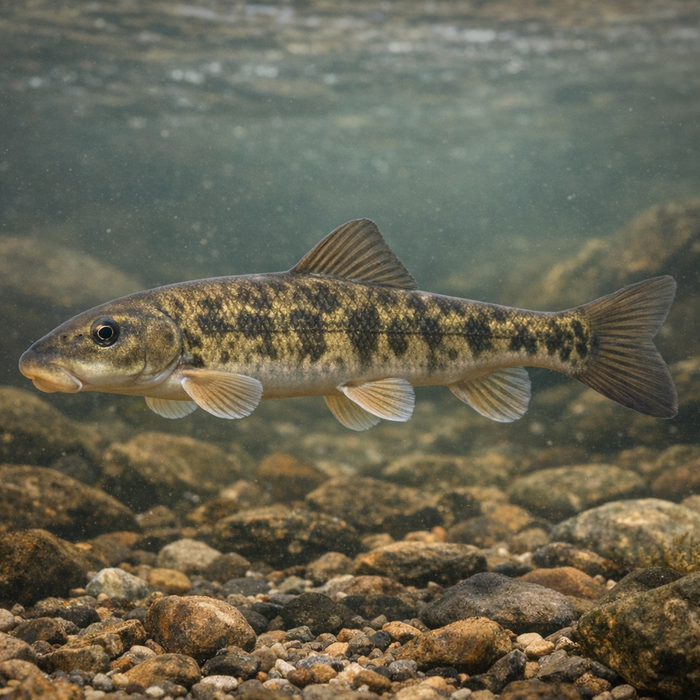
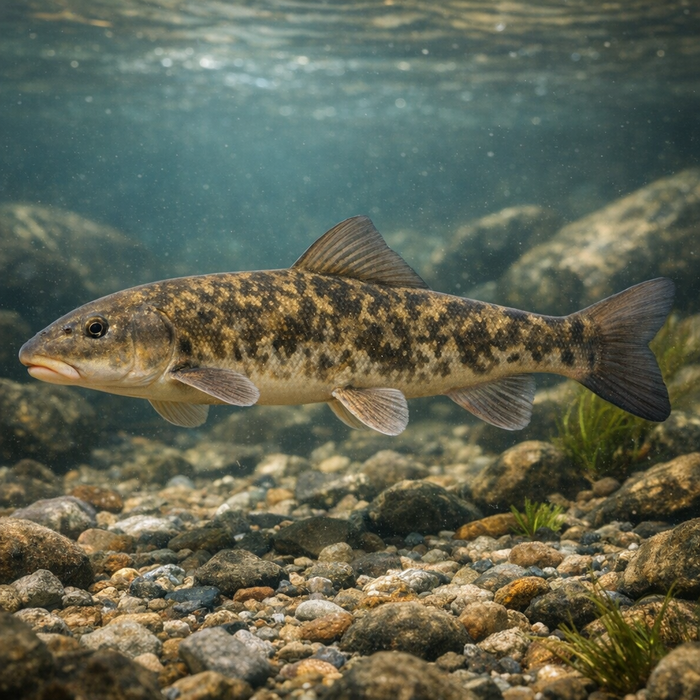
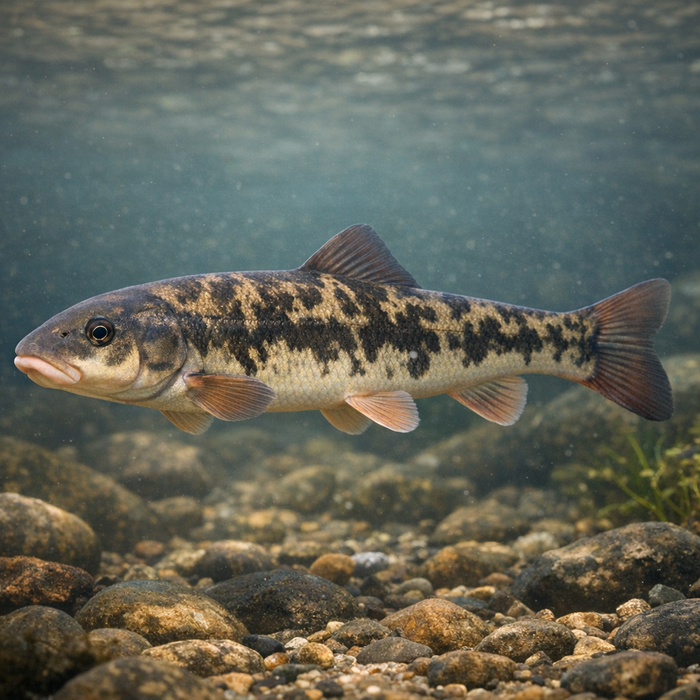
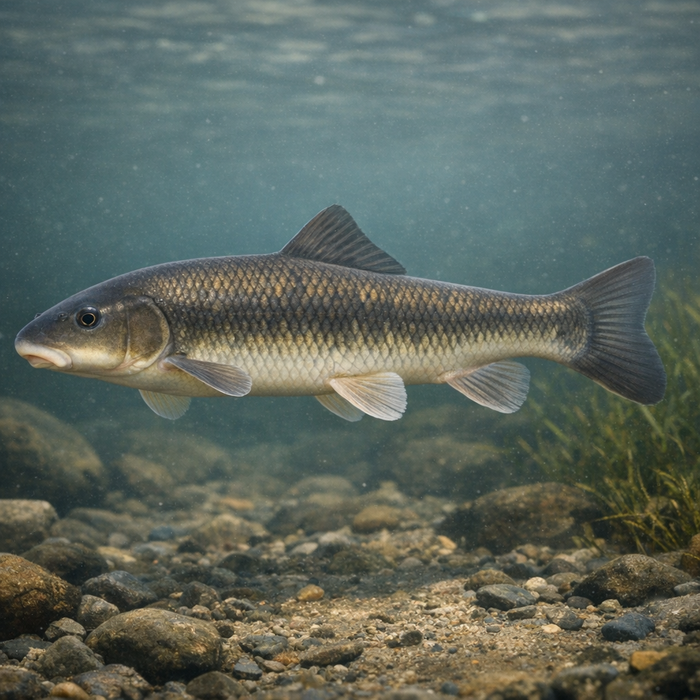
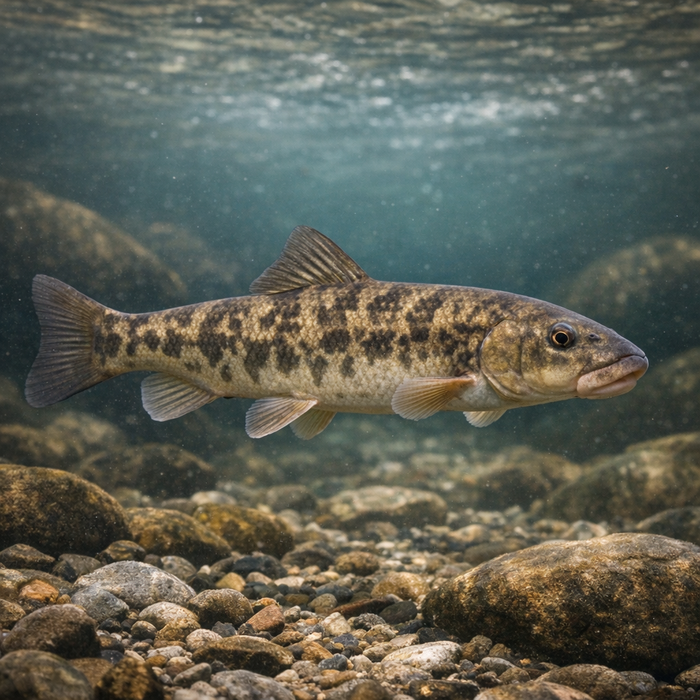
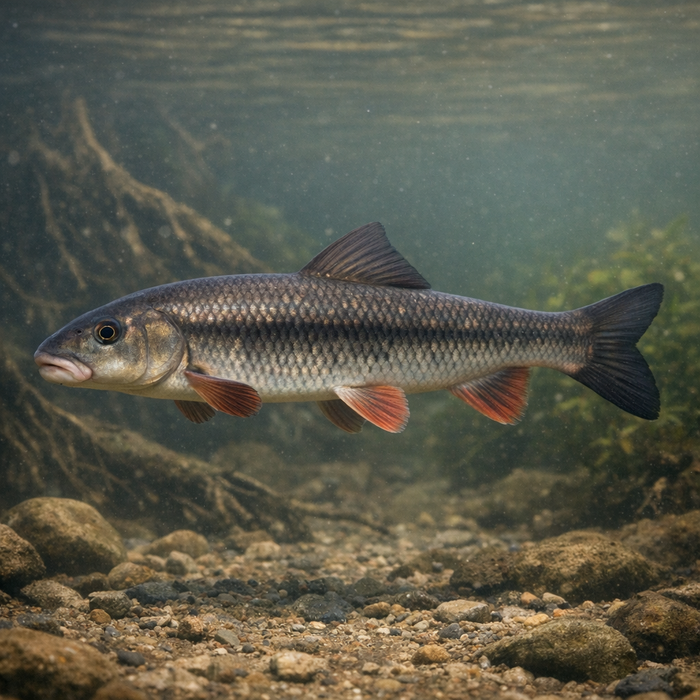
Bridgelip Sucker (Catostomus columbianus): The Columbia River's rock-rasping vacuum with a sneaky cult following.IntroductionThe bridgelip sucker is the underappreciated workhorse of the Columbia Basin: a bottom-hugging grazer that keeps river stones polished and bug factories humming. Trout folks bump into them, bass folks ignore them, and rough-fish diehards quietly smile when they appear. Think of it as the river's Roomba with fins. If you want real-deal Bridgelip sucker facts and a feel for authentic Bridgelip sucker habitat, pull up a cobble and read on.What Makes the Bridgelip sucker Unique?Start with the hardware. The namesake bridged upper lip is basically a built-in scraper, letting this fish vacuum biofilm and tiny invertebrates from bare rock where other mouths slip. Add in oversized pectoral fins that act like anchors in riffles and you get a fish perfectly engineered for cold current. It's not built to blitz baitfish or cartwheel at boatside; it's built to hold, rasp, and repeat. That bridge-lip design is so distinctive that it can separate the species from look-alike suckers, even when colors and scales overlap.Habitat & Global RangeThe bridgelip sucker is a Columbia River Basin specialist. From big mainstem tailraces to midsized tributaries and some reservoirs, it loves clean, moving water. Picture cobble and boulder riffles, steady runs with an honest push, and seams where food drifts consistently across the bottom. They'll dip into pools, but the classic scene is a low-slung cruiser just inches over the rock. When anglers talk Bridgelip sucker habitat, they're really describing oxygen-rich lanes where biofilm grows like a buffet and aquatic insects churn.Behavior & TemperamentThey're not aggressive hitters. The take is subtle, often a weighty pause rather than a slam. Bridgelips move in loose groups and stack during spring spawning runs over clean gravel. Most of the day they methodically vacuum, head down, holding in current with those big pecs. They're perfectly okay with cold water and keep grazing when other species squirm. Hooked, they fight like a stubborn hand saw: steady, gritty, rarely flashy.Ecological ImportanceThe bridgelip sucker is a nutrient recycler in scales. By scraping algae and inhaling drifting invertebrates, it shapes biofilm communities and keeps river rocks clean enough for insect production. Those insects then fuel trout, steelhead, and the rest of the neighborhood. Eggs laid in clean gravel become protein packets for everything from sculpin to birds. Knock out the bridgelip and you gum up the river's conveyor belt.Conservation & Environmental PressuresOverall, bridgelips are doing fine where the water stays cold, clean, and moving. The threats are the usual suspects: silted riffles, low summer flows, and warm water pulses. Hydropower alters current and bottom texture in ways this species really notices. Hybridization with largescale suckers muddies ID but isn't a known disaster for populations. Keep the stones clean, keep the current honest, and bridgelips keep grinding.The FishyAF TakeThe bridgelip sucker won't win beauty pageants or tackle-busting trophies, but it's one of the Columbia's most dialed-in designs. The gear is delightfully simple, the fight is honest, and the challenge is all presentation. If you like precision drifts, tiny hooks, and reading current like a novel, the bridgelip pays off. Learn from it and your trout game improves too. Respect the grazer, and the river runs sharper.