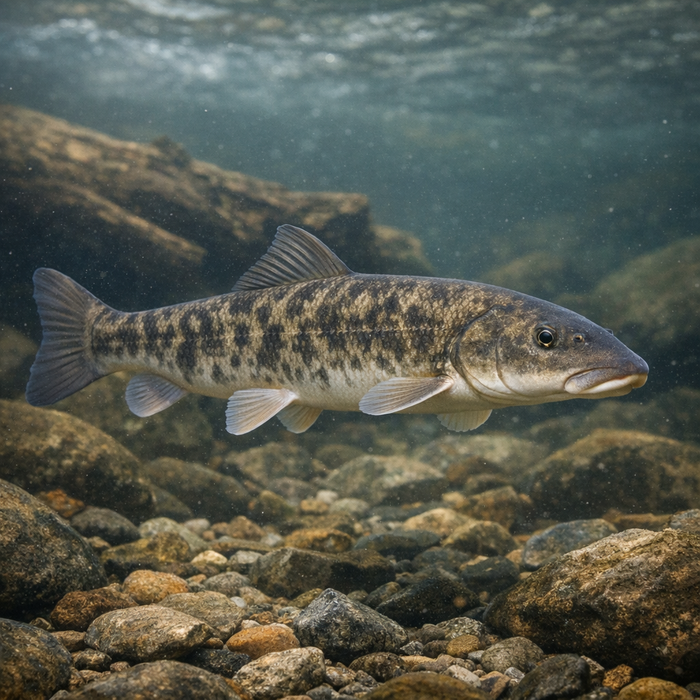
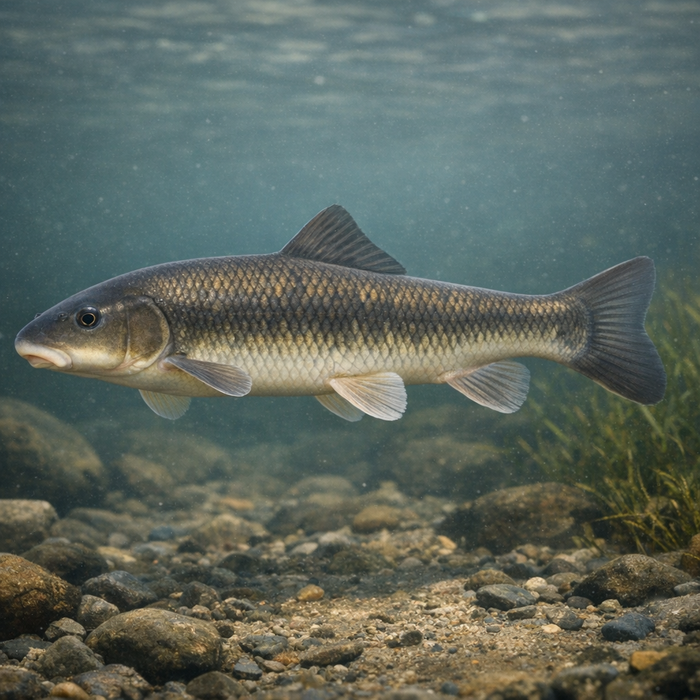
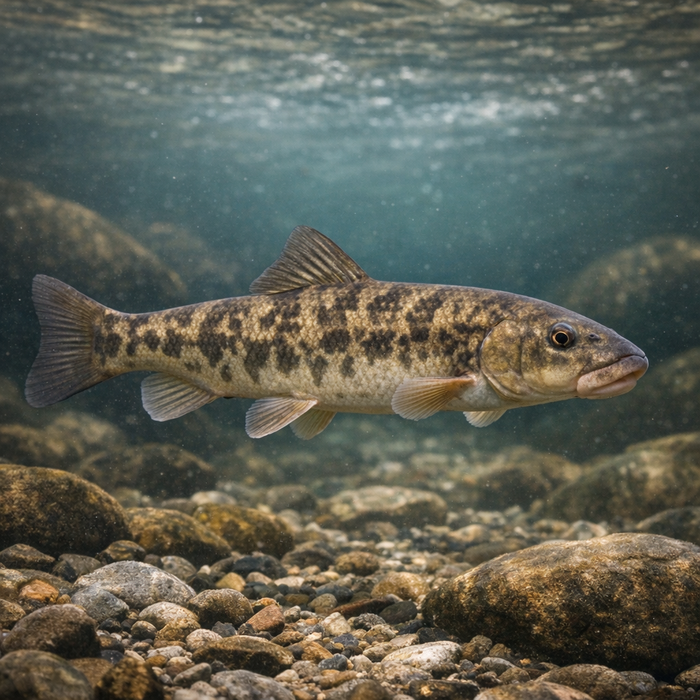
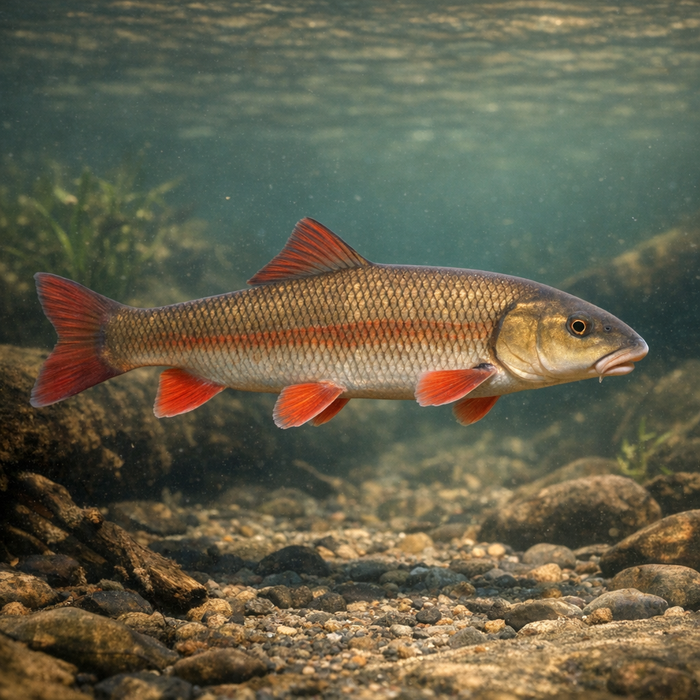
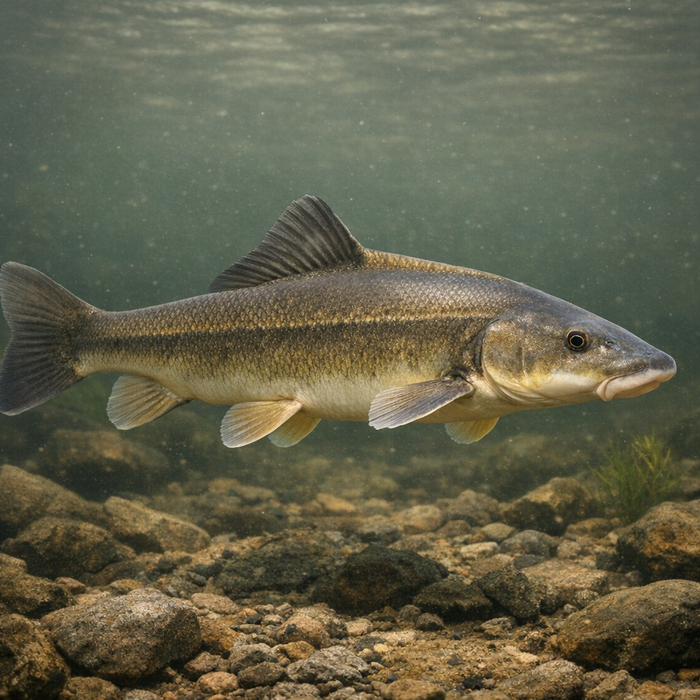
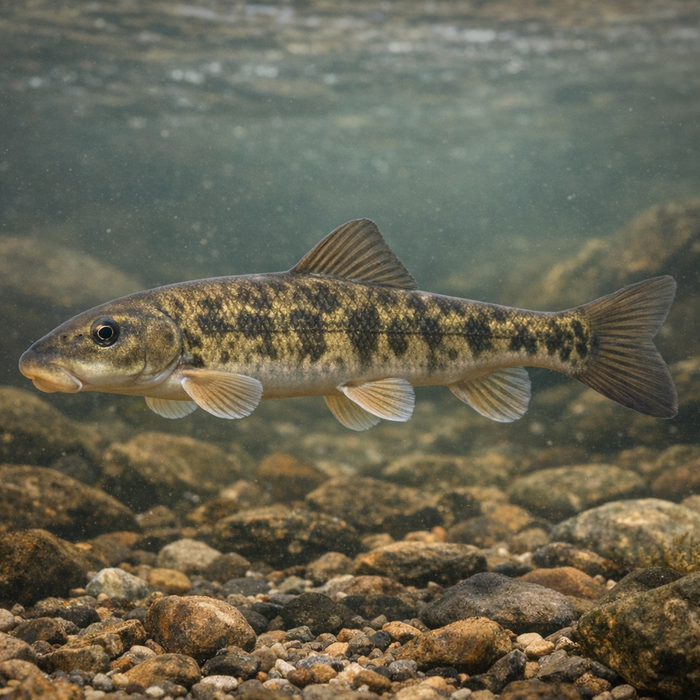
Modoc Sucker (Catostomus microps): A desert native with gold-lipped gritIntroductionThe Modoc sucker is a pint-sized bottom grazer that punches well above its weight in pure survival swagger. It hangs on in harsh, flashy creeks of the Modoc Plateau, riding out scorching summers in cold springs and dodging floods the rest of the year. It is small, subtle, and stubbornly local. If you want big-water fame, look elsewhere. If you want a master class in how a fish threads the needle between drought and deluge, this is your study buddy. Here you will get straight Modoc sucker facts without the fluff.What Makes the Modoc sucker Unique?For starters, those lips. The Modoc sucker's fleshy, downward-facing mouth works like a vacuum-and-rasp combo, sipping microinverts and polishing algae off cobble. Then there are the eyes. Its scientific name, Catostomus microps, literally nods to its small eyes, which suit life close to the substrate. During spring, males fire up with brassy tones and rough breeding tubercles, a rugged look built for fish-on-fish bumping in riffles. Lastly, the Modoc sucker stays tiny. Adults often measure under nine inches, which means finesse gear, stealth, and restraint are the only sane approaches.Habitat & Global RangeThe Modoc sucker habitat story is narrow by design. This fish is a specialist of small, spring-fed streams and connected marshy channels on the Modoc Plateau of northeastern California and adjacent Oregon. Think shallow riffles dumping into knee-deep pools, undercut banks stitched with roots, and silt patches warmed by desert sun but tempered by cold groundwater. It is not a lake cruiser or a river nomad. It is a creek loyalist that shifts a few bends between seasons, trading current for cover as flows rise and retreat.Behavior & TemperamentSneaky and substrate-bound, the Modoc sucker spends most of its life tight to the bottom. It roots gently, kicking up faint silt puffs that betray feeding. Spawning typically runs early in spring when flows are up and gravel riffles are clean. Schooling is modest; you will see loose pods in the better pools, then single fish posted on seam lines or along root wads. Aggression is low. Hook one and the fight is a quick, jittery dash more about leverage than horsepower. It is wary, so shadows and sloppy presentations shut the bite down fast.Ecological ImportanceFor all its modest size, the Modoc sucker is a key cog in creek health. By scraping algae and hoovering small invertebrates, it helps keep surfaces clean and energy moving from the benthos up the food web. Those silt puffs are not just cute; they recycle nutrients and create micro-feeding windows for other species. When riparian fencing improves banks or diversions are tamed, this fish responds quickly, signaling that the whole creek machine is running smoother.Conservation & Environmental PressuresThis species has been through it: channelization, water withdrawals, trampling banks, and invasive competitors. The plot twist is hopeful. Strategic habitat protections and riparian restoration have pushed populations upward in several creeks. The fish remains range-limited and sensitive to drought, but the trajectory beat the odds. Regulations around take, handling, and access vary by stream, and many waters prioritize protection. As always, check the latest local rules and tread lightly.The FishyAF TakeThe Modoc sucker is not your grip-and-grin headliner. It is your field notebook fish, the one that teaches patience, precision, and humility. Show up with micro gear, a couple redworms or size-16 nymphs, and a soft net. If you spot one, make it count, keep it wet, and move on. For anglers who love clean creeks, subtle fish, and the quiet satisfaction of doing it right, the Modoc sucker delivers a surprisingly addictive challenge. Search "Modoc sucker habitat" and you will see a lot of brown water and grass. Stand on that bank a while. There is real magic down there.