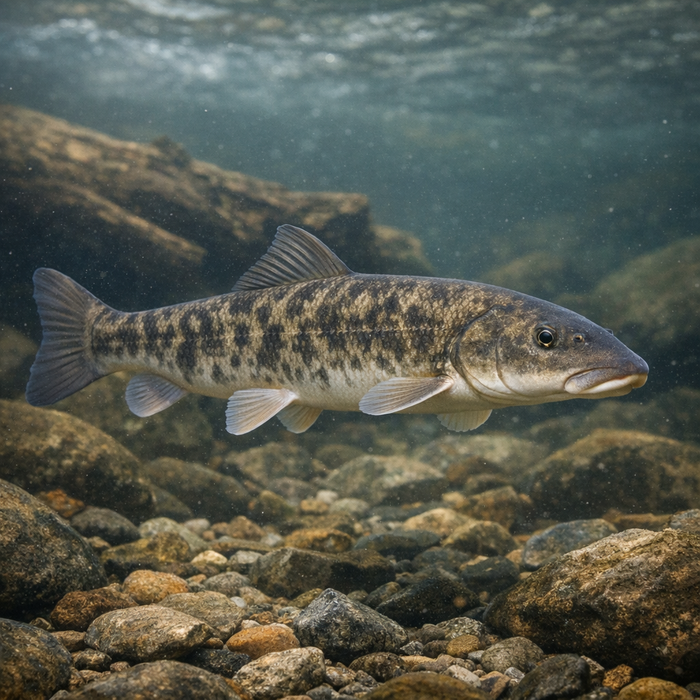
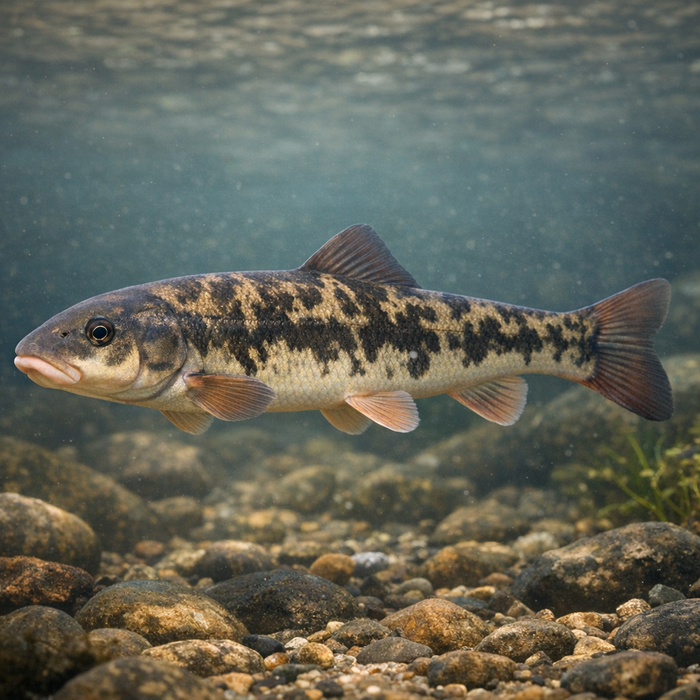
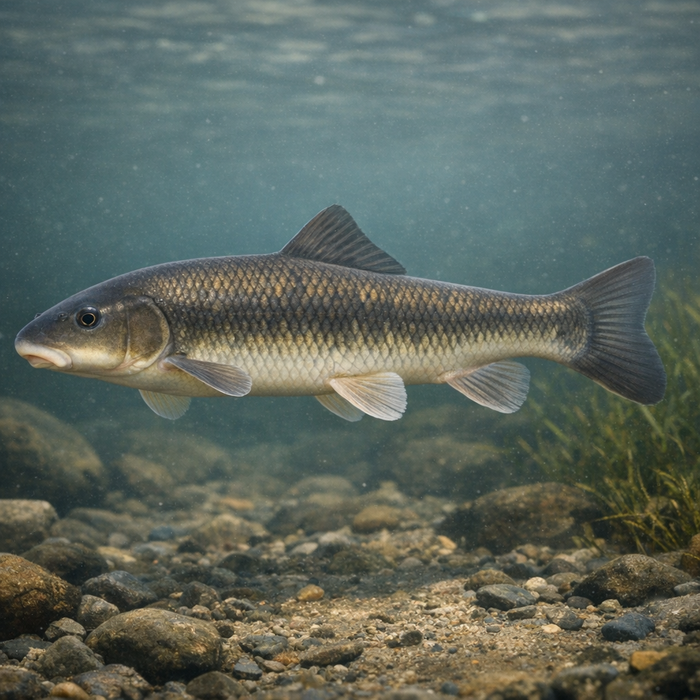
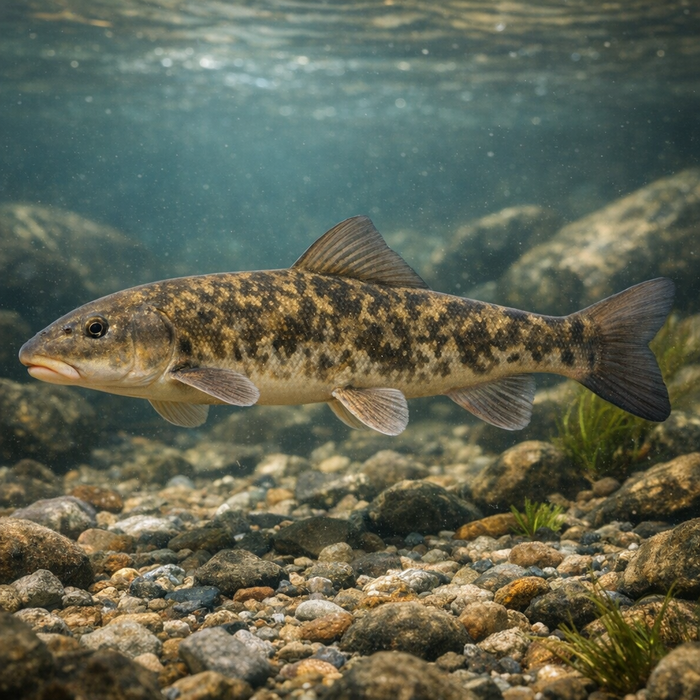
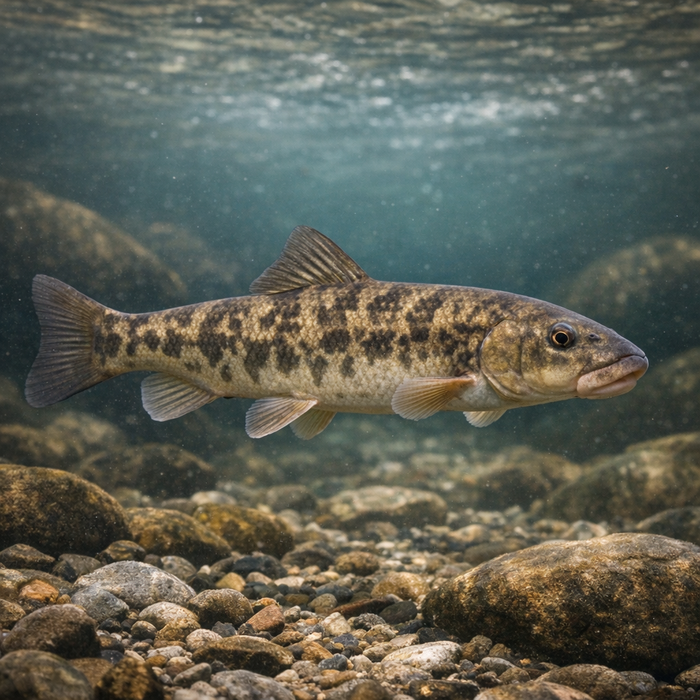
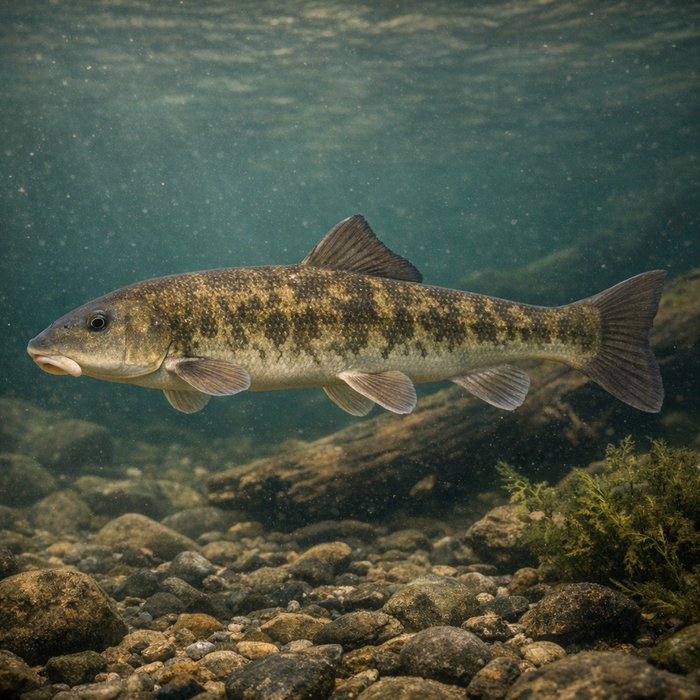
Razorback Sucker (Xyrauchen texanus): A Bold, Memorable Hook LineIntroductionIf dinosaurs designed a sucker for desert rivers, they would have sketched the razorback sucker. Chunky, keel-backed, and built for current, this long-lived native once filled the Colorado River with spring runs. Today it's a rare, protected throwback that still sneaks through the big water below the dams. For anglers who care about native fish and river history, the razorback sucker is a living time capsule.What Makes the Razorback sucker Unique?Start with that namesake razorback: a sharp, bony keel rising before the dorsal fin, like a built-in river fin. It slices flow and stabilizes the fish in heavy current where most bottom-feeders would tumble. Add a vacuum-style mouth with thick, fleshy lips that hoover algae, detritus, and tiny invertebrates off rock and sand. Then consider lifespan. A razorback sucker can live decades, with old-timers tracked past 40 years. Those traits make this fish distinct, durable, and perfectly tuned to a river that used to rise and fall with spring snowmelt.Habitat & Global RangeThe razorback sucker is all Colorado River Basin, from the Green and Gunnison to the San Juan and mainstem Colorado, plus the big reservoirs stitched between dams. Think large desert rivers and reservoirs with cobble bars, backwaters, and slow edges near strong current. Historically they rode seasonal floods, spawning on gravel bars before larvae drifted into warm floodplain nurseries. Reservoirs changed the playbook, but remnant populations and repatriated fish still run that instinct. If you're browsing Razorback sucker habitat info, put a pin on Lake Mohave, Lake Mead, and desert river reaches with some natural flow left.Behavior & TemperamentThey're not brawlers. Hook one and expect a steady bulldog with head-shaking torque instead of flashy runs. Spawning commonly kicks at night on cobble or gravel when spring water climbs into the fifties. Adults may migrate miles to the same bars, year after year, and multiple males often crowd a single female. Larvae drift downstream like plankton and settle in warm, quiet backwaters to grow. Day to day, the fish sticks to the bottom, grazing and grubbing in slow seams near heavier flow. It's rarely a surface act, rarely a sprinter, and almost always glued to sand, mud, or cobble.Ecological ImportanceThe razorback sucker connects river flow, floodplain, and food webs. By vacuuming the bottom, it recycles nutrients, grazes algae, and packages detritus into something other fish can use down the line. Those epic spring movements once timed with snowmelt, turning floodplains into nurseries that fed everything from birds to bass. Healthy razorback sucker numbers are a sign that river timing, temperature, and backwaters are working like they should.Conservation & Environmental PressuresDams re-timed the river, floodplains shrank, temperatures shifted, and nonnative predators moved in. That cocktail knocked the razorback sucker off its pedestal, landing it on endangered lists. Recovery programs stock hatchery-reared juveniles, tag adults, and restore backwaters, but progress is a slog against altered flows and hungry introductions. If you catch one while fishing for carp or stripers, regulations usually require immediate release. The best thing you can do for razorback sucker conservation is simple: respect closures, avoid targeting during spawn, and keep handling to an absolute minimum.The FishyAF TakeThe razorback sucker is not a glamour species, and that's exactly why it rules. It's a purposeful, oddly beautiful survivor carved to fit a desert river that used to breathe with snowmelt. If you're compiling Razorback sucker facts, put this at the top: what looks like a plain sucker is actually a precision instrument. When that dorsal keel slices current, you're watching a fish built by flow. Respect the history, snap a quick in-water photo if you accidentally hook one, and let the desert original go write the next chapter in its own river story.