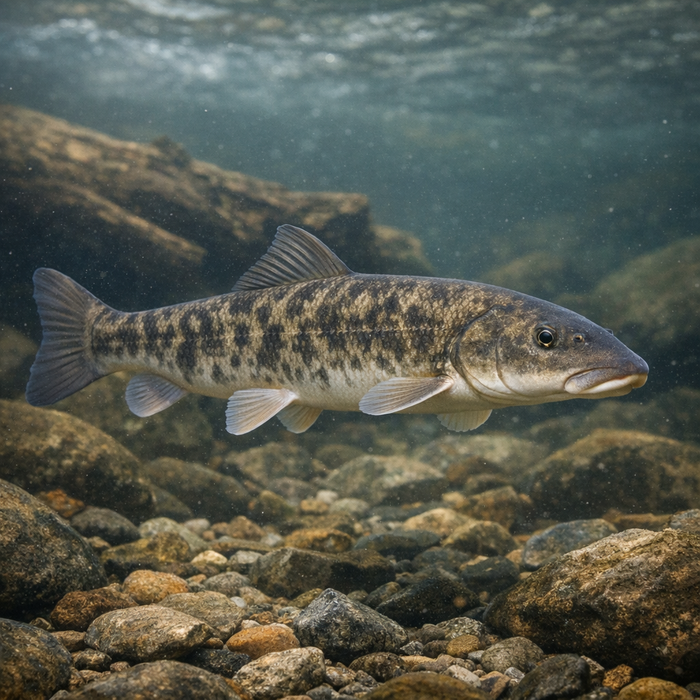
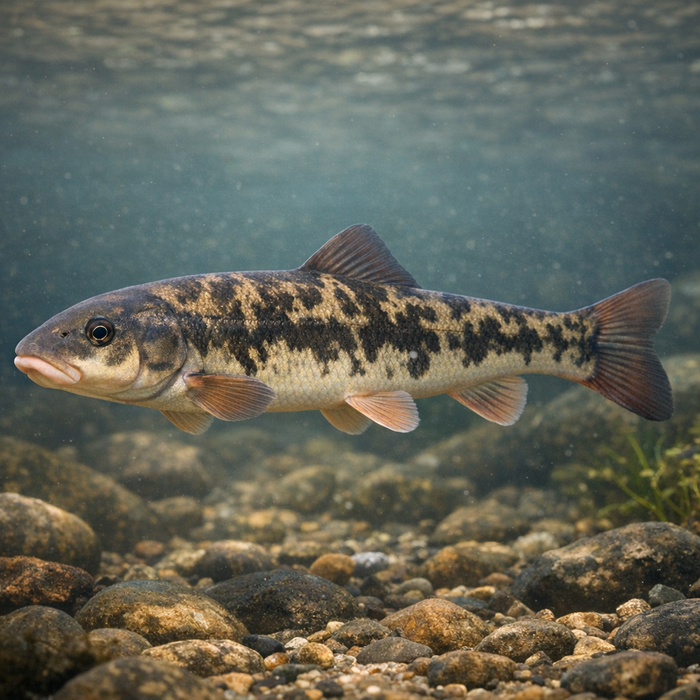
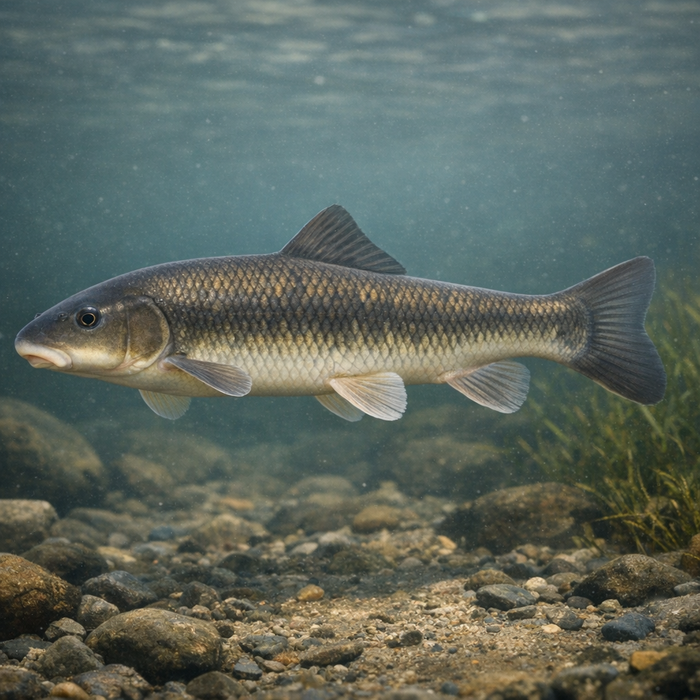
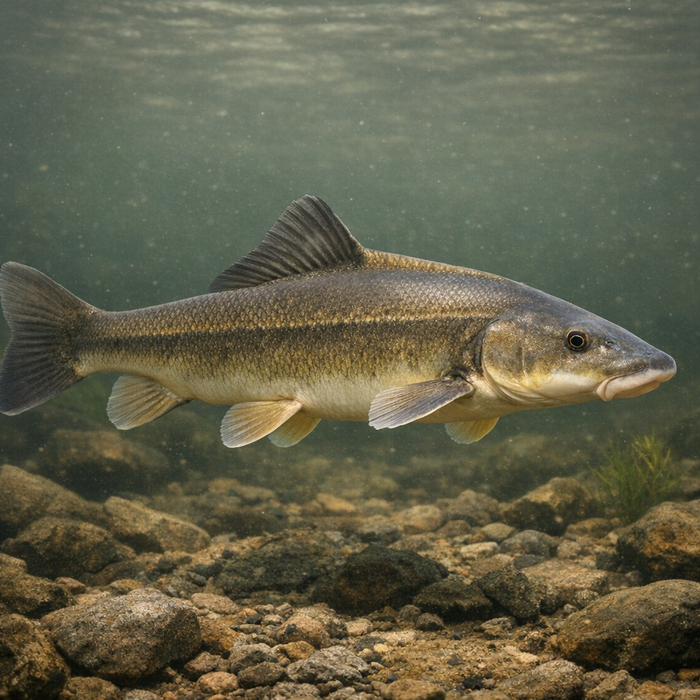
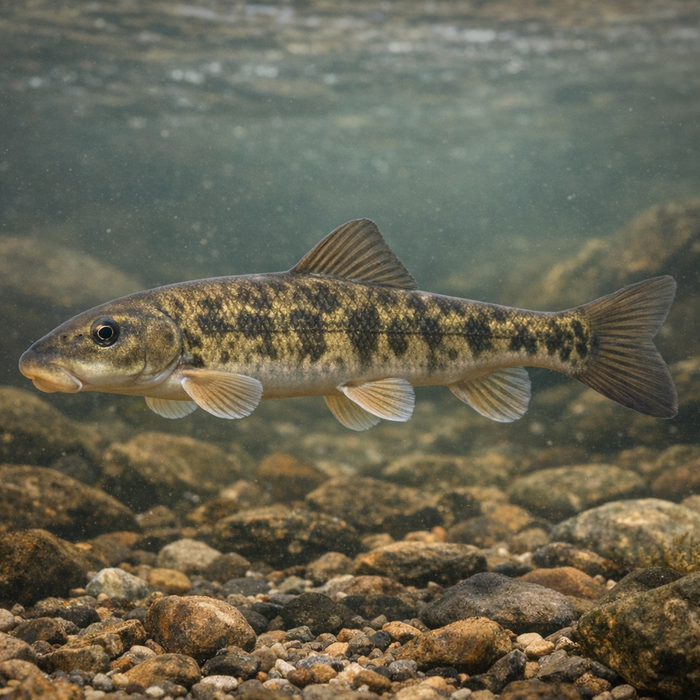
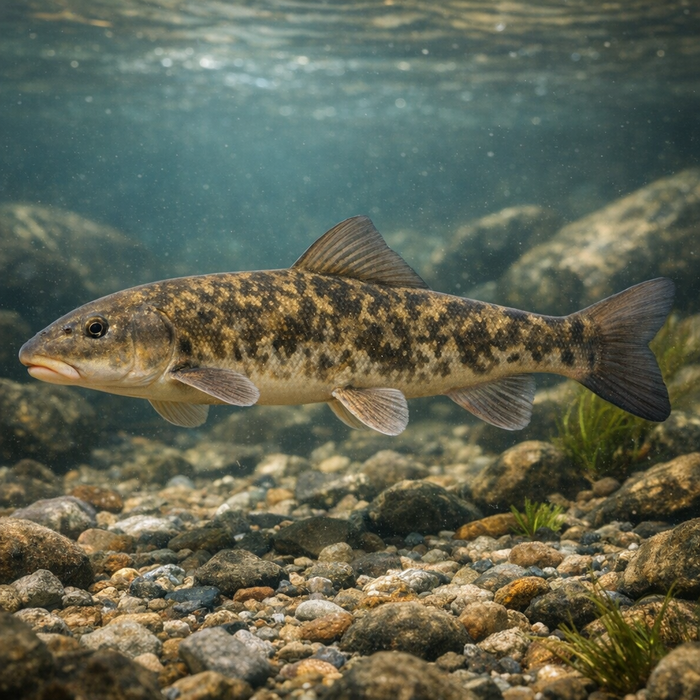
Wall Canyon Sucker (Catostomus murivallis): A Bold, Memorable Hook LineIntroductionThe Wall Canyon sucker is the kind of fish that reminds you wild still exists. Small, wary, and tucked into a remote Great Basin creek, it won't headline a tournament or pack a cooler. But if your idea of a good time is creeping along spring-fed riffles and peering into gin-clear pockets, this fish will make your pulse jump. Consider this your field guide to Wall canyon sucker habitat, behavior, and the lore behind a desert original.What Makes the Wall canyon sucker Unique?Two things stand out fast: isolation and specialization. The Wall Canyon sucker is geographically boxed in by the high desert, a legit one-drainage specialist that evolved to comb clean gravel with a fleshy, rubbery mouth. It's a small-bodied sucker, but not a pushover. Transparent water and skittish temperament make everything about it feel stealth-mode. And while most anglers chase flashier species, meeting one in its home water feels like stumbling onto a secret.Habitat & Global RangeThis fish is a Great Basin story: spring-fed creeks, meadowy runs, and pocket pools that blink alive with snowmelt, then tighten under summer heat. Picture cold, clear, and surprisingly productive water sliding over pea gravel and cobble, with scattered undercut banks and quiet back-eddies. The Wall Canyon sucker rides seasonal pulses without long migrations, slipping between shallow riffles and deeper springs as flows shift. Think small water, tight access, and sensitive habitat that needs clean substrate and dependable springs to keep the lights on. If you're collecting Wall canyon sucker facts, the headliner is its extreme homebody nature.Behavior & TemperamentThe fish feeds close to bottom, rooting with tactile lips for invertebrates tucked between stones. It's daylight-capable but especially comfortable in soft light, when shadows stretch and predators relax a notch. In open, clear water, a moving silhouette can be the spook trigger, not noise. Expect quick darts, tight holding lanes, and short repositioning rather than long cruises. Groups are small and loose; this isn't a schooling show. When hooked, the scrap is more stubborn than spectacular, a pocket-water tug that's fun on true ultralight gear.Ecological ImportanceThe Wall Canyon sucker is the gravel janitor. It flips pebbles, recycles nutrients, and turns leaf litter and tiny bugs into fish biomass. That low-key factory work fuels higher links in the chain, from trout and birds to mammals working the creek margins. Clean-bottom foragers like this species signal stream health: when sediment chokes riffles or springs dry up, suckers fade first. Protecting them protects the entire creek community riding the same flow regime.Conservation & Environmental PressuresDesert creeks live on a knife-edge. Drought, groundwater pumping, sediment from poorly managed roads, invasive fish, and even a single bad culvert can fragment or erase habitat. For a species boxed into one drainage, "local problem" can mean existential threat. Agencies and private land stewards increasingly focus on spring protection, riparian fencing, and barrier removal to keep flows cold, clean, and connected. Even well-meaning anglers can do harm by trampling spawning gravel or mishandling fish. Handle with wet hands, keep fish submerged, and move on quickly.The FishyAF TakeThe Wall Canyon sucker is a minimalist masterpiece: small creek, small fish, huge satisfaction. It's proof that fishing isn't just about inches; it's about showing up where almost no one else goes and reading water like a map. If you get to watch one tip and root across sunlit gravel, count yourself lucky and keep your boots light. Some fish are trophies because of weight. This one is a trophy because it still exists where it belongs.