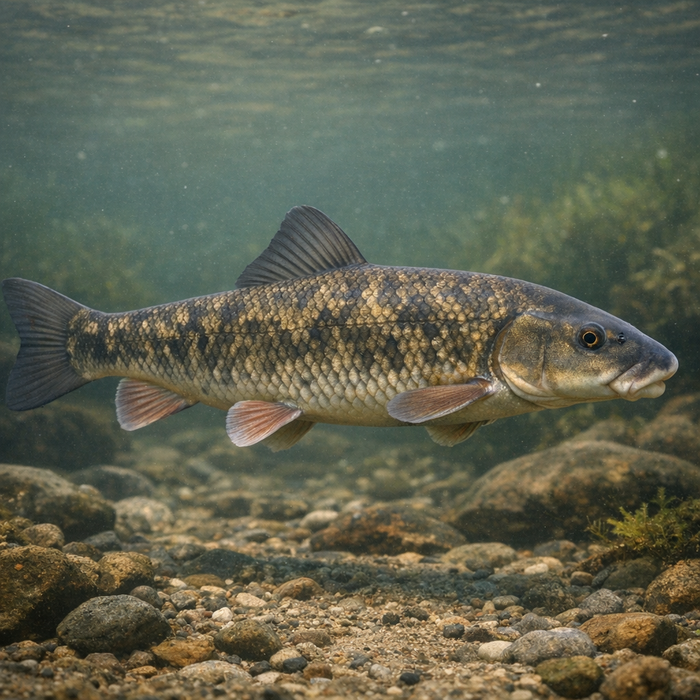
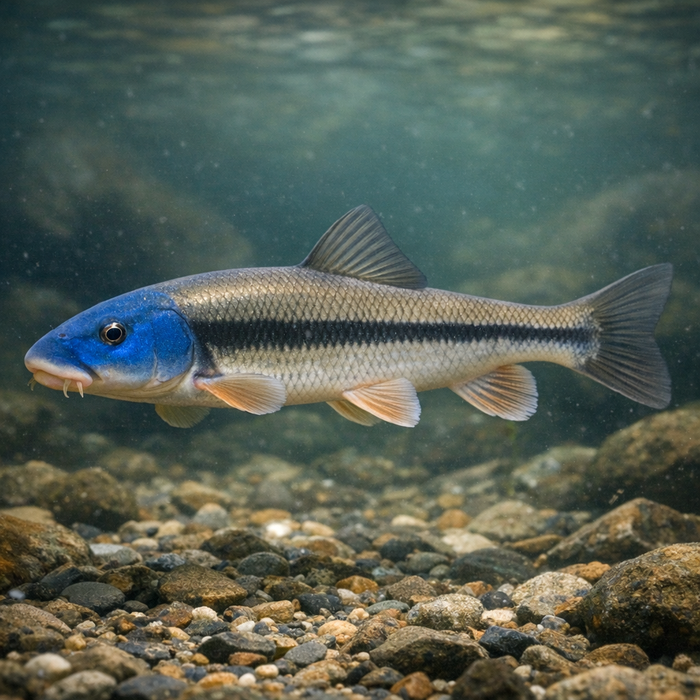
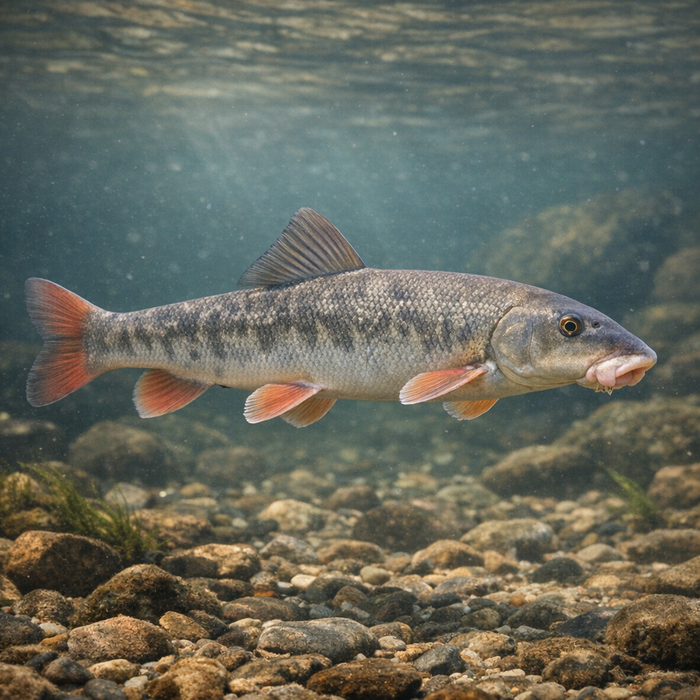
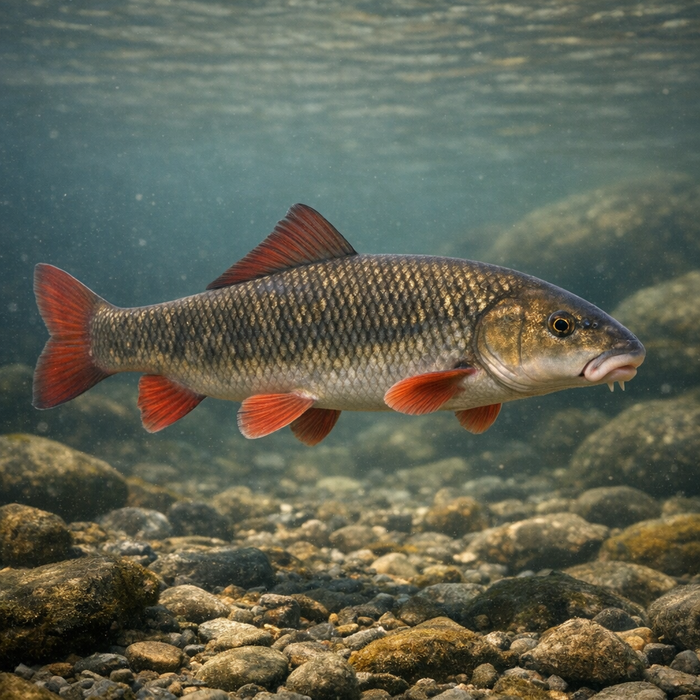
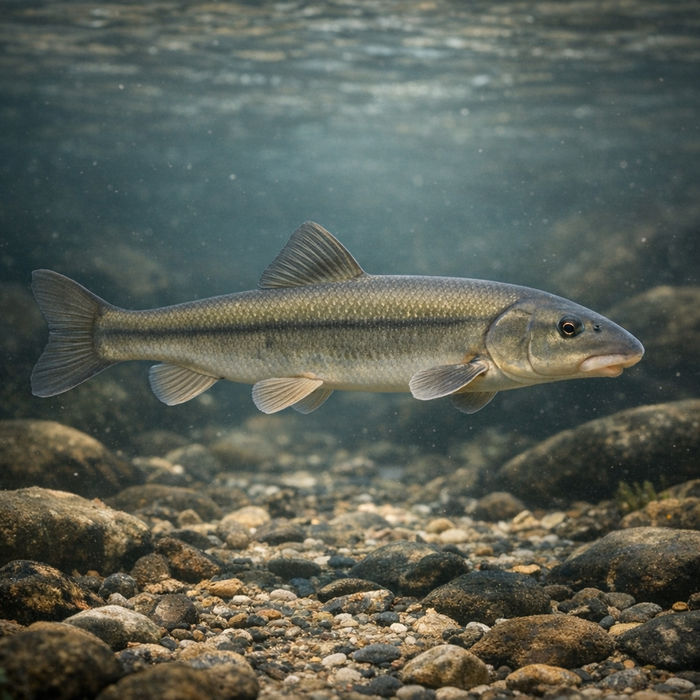
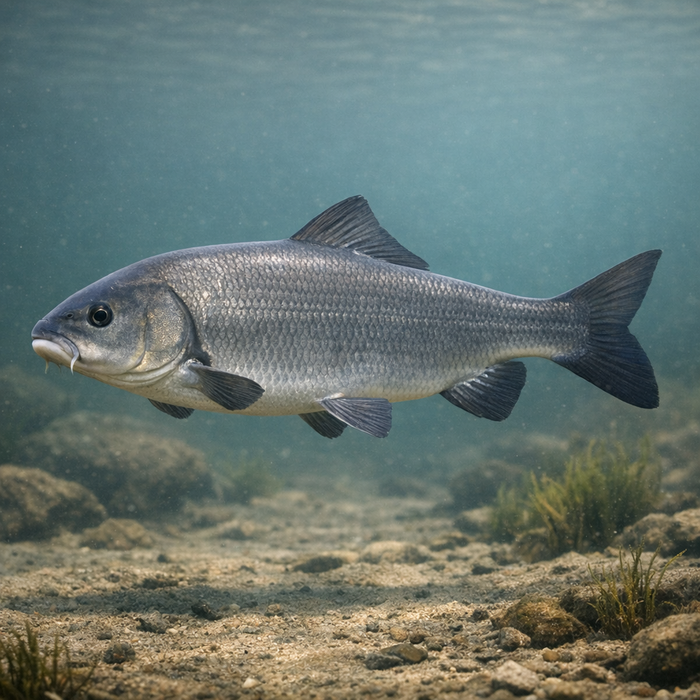
Snake River sucker (Chasmistes muriei): The West's Rarest Roughfish, Maybe Gone For GoodIntroductionIf you've never heard of the Snake River sucker, you're not alone. This is the loch-ness of western roughfish lore: a native sucker from the Snake River Basin that slipped out of the spotlight before anglers ever really met it. Today, most mentions come from museum drawers, taxonomy notes, and wistful rumors. It's the fish you root for to reappear on a seine haul, the one that keeps biologists peering into turbid water a little longer. Here are the Snake River sucker facts you actually care about.What Makes the Snake River sucker Unique?Chasmistes muriei belongs to a weirdly specialized western lineup of lake suckers. Think thick, pleated lips and a subterminal mouth designed to Hoover fine sediments, not chase minnows. Its head shape trends steep and purposeful, a benthic grazer's profile tuned for reservoirs and big, slow river reaches. Unlike carp, which root hard and bulldoze, chasmistes often cruise and graze with finesse. That combo of lake adaptation plus subtle feeding made the Snake River sucker an oddball in a river system better known for steelhead and cutthroat.Habitat & Global RangeLet's talk Snake River sucker habitat. The species is tied to the upper and middle Snake River Basin of the American West, especially big impoundments and connected slackwater sections. Picture broad shelves of sand and silt, gentle current edges, and tributary mouths where snowmelt softens the flow. Historic chasmistes elsewhere tend to use lakes for adult life and slip into tributaries or nearshore shallows to spawn. The Snake River sucker likely followed a similar script, using calm coves, deltas, or spring-fed margins when water warmed and flows eased.Behavior & TemperamentThis fish was no brawler. Expect slow, deliberate feeding windows, especially low light and stable conditions. Benthic omnivore is the name of the game: invertebrates, biofilm, and organic bits sifted from fine substrates. Schooling probably happened in loose pods, with fish cycling between soft-bottom foraging flats and nearby drop-offs. While it wasn't aggressive, it likely showed that familiar sucker trait: maddeningly light takes and sudden spooks, especially in clear water. Hooking one would have demanded stealth, small hooks, and a feather-light touch.Ecological ImportanceNative suckers are the unsung janitors of Western waters. By grazing algae and microinvertebrates and keeping fine sediments moving, they grease the wheels of productivity for the whole food web. In reservoirs and big-river slackwater, that role is crucial. Pull a piece like the Snake River sucker from the puzzle and you lose a subtle stabilizer, a species tuned to turbid edges where many sport fish don't spend much time. If you want healthier western lakes and reservoirs, you want robust native sucker communities.Conservation & Environmental PressuresThis is where the story turns stark. The Snake River sucker is widely regarded as extinct or functionally extinct, known primarily from historical material and taxonomic records. Pressures that sank many western lake suckers likely piled on here: major dams reworking flows and temperatures, habitat simplification, siltation and nutrient swings, nonnative predators, and a century of management focused elsewhere. Add in how hard it is to detect low-density, benthic fish in large turbid systems, and a species can vanish quietly. If any remnant population persists, it would almost certainly be tiny, isolated, and hands-off for anglers.The FishyAF TakeThe Snake River sucker is a ghost with a legit resume. It's a reminder that rough fish aren't background noise; they're gears in the machine. If you happen to tangle with a mystery sucker in the Snake River Basin, you're not lining up a hero shot. You're documenting something important and calling a biologist. The best Snake River sucker facts aren't about tackle and baits. They're about a West tuned to more than trout, a river system where every native matters, and a lost fish that still haunts the edges of our maps. If this sucker shows up again, the first trophy is proof it still exists. Everything after that is gravy.