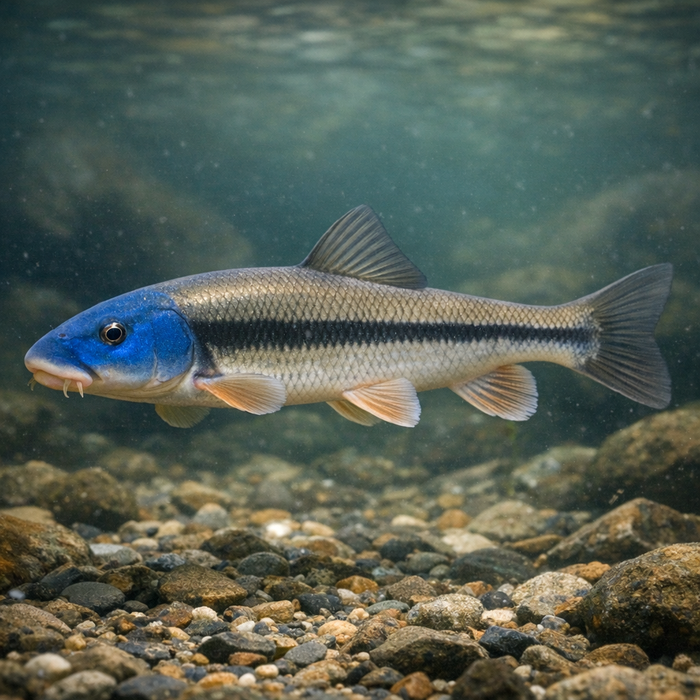
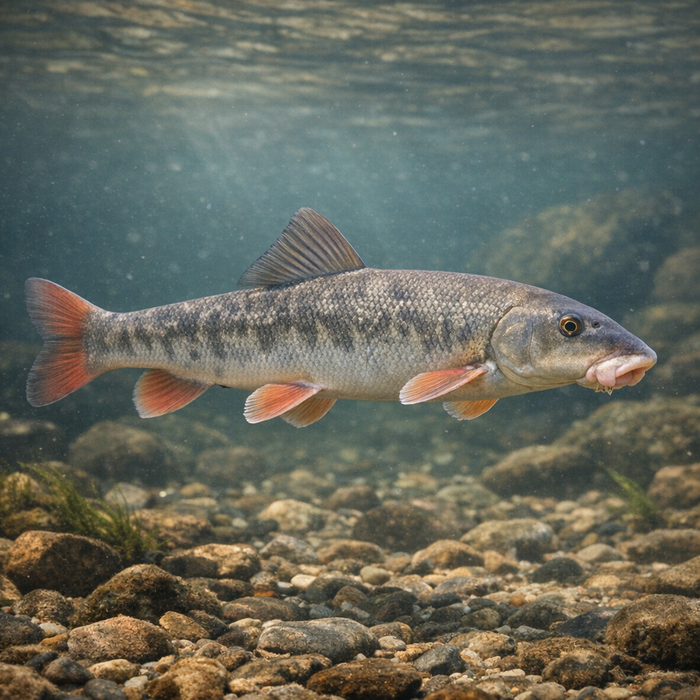
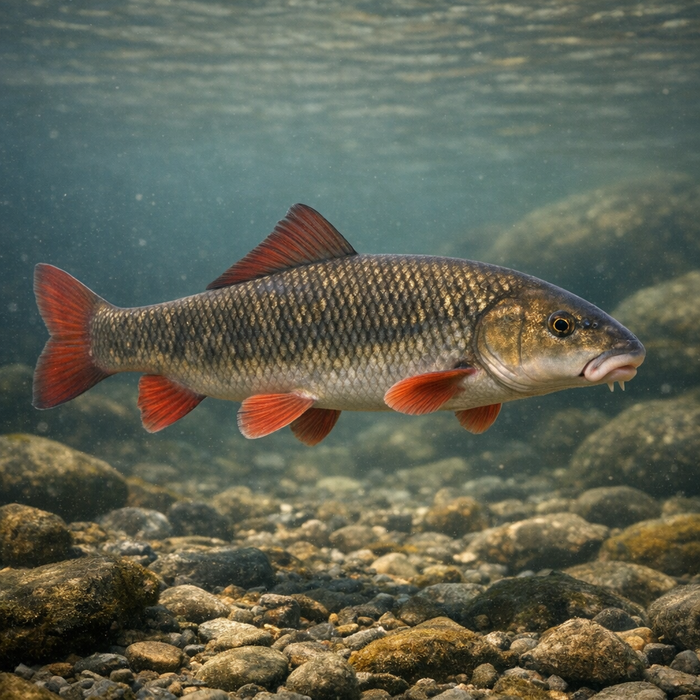
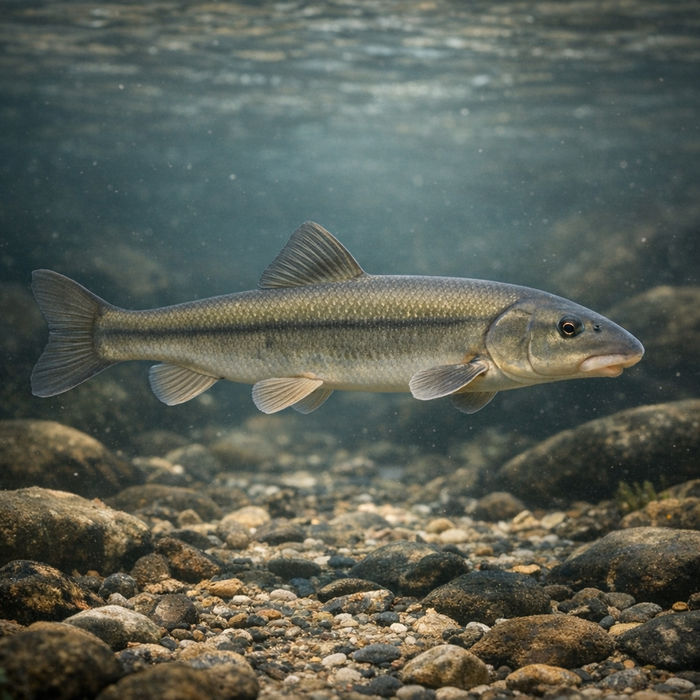
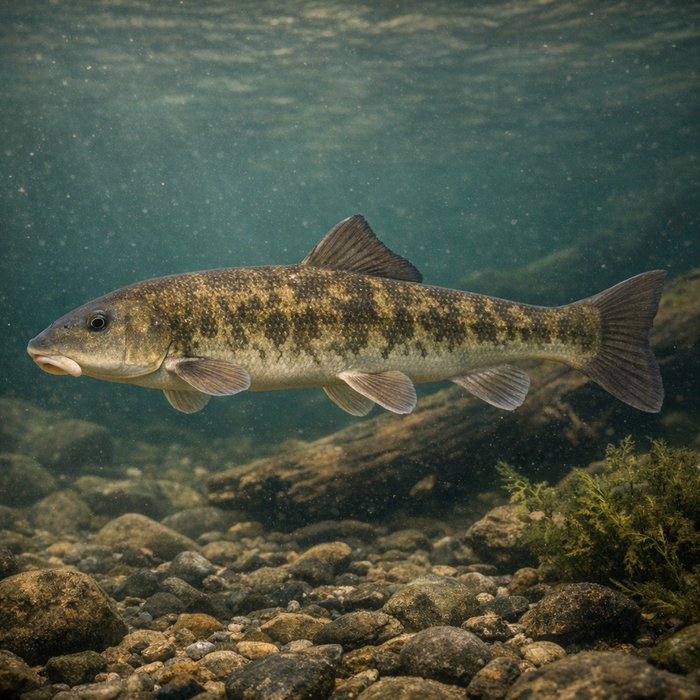
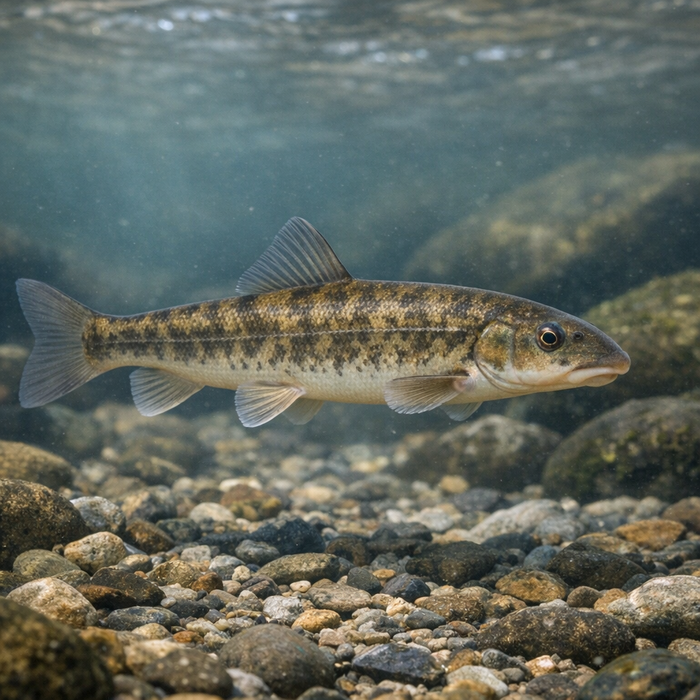
Klamath Largescale Sucker (Catostomus snyderi): Built For Big Water, Low Oxygen, And Zero DramaIntroductionThe Klamath largescale sucker is the Klamath Basin's gravel-vacuuming workhorse: stealthy, stubborn, and way tougher than it looks. Trout get the headlines here, but this native sucker rolls through algae blooms and spring floods like it owns the place. If you like honest fish that reward finesse, the Klamath largescale sucker delivers a master class in light-tackle patience.What Makes the Klamath largescale sucker Unique?Start with the lips. They're lined with fine papillae built to Hoover insect larvae and crustaceans straight out of cobble. Pair that with billboard-sized scales and a squared dorsal fin that flares when a fish leans into current, and you get a distinctive silhouette. The Klamath largescale sucker is also a migration machine, staging in Upper Klamath Lake before pushing up the Williamson, Sprague, and other tributaries each spring. It's a native specialist, tuned to a basin that swings from icy spring surges to late-summer pea soup. File that under real-deal Klamath largescale sucker facts.Habitat & Global RangeForget global. This fish plays home games. The Klamath largescale sucker is endemic to the Klamath Basin of southern Oregon and northern California, working lakes, marsh edges, and the spring-fed rivers that thread them together. Think clean gravel runs for spawning, plus low-gradient pools, back-eddies, and lake inlets for foraging. The Klamath largescale sucker habitat cocktail is a weird but productive blend: alkaline water, wind-stirred flats, and icy, clear spring inputs that draw fish like magnets.Behavior & TemperamentThis is a sipper, not a smasher. Bites are often a series of soft taps followed by a steady weight as the fish mouths a bait and turns. In clear water, they'll slide off anything clumsy, but get your rig down quiet and they'll feed in daylight. During the spawn, the Klamath largescale sucker stacks up shoulder to shoulder in knee-deep riffles, rolling and fanning gravel into smoky clouds. The rest of the year, expect small pods nosing along bottom seams, or loners cruising lake inlets after dark.Ecological ImportanceIf trout are celebrities, suckers are the crew that keeps the lights on. By hoovering benthic bugs, the Klamath largescale sucker recycles nutrients and keeps the food web churning. Their eggs and fry feed iconic predators. And by tolerating low oxygen and big temperature swings, they hold down the fort when conditions go sideways. You want a resilient fish community after a rough summer? You want native suckers in the mix.Conservation & Environmental PressuresThe Klamath Basin lives on extremes: drought, algae blooms, irrigation draws, and habitat fragmentation. While the Klamath largescale sucker is tougher than most, it still relies on intact spawning gravel, predictable spring flows, and cool spring inputs to stage migrations. It also shares water with federally protected sucker species, raising the stakes on careful identification and responsible handling. Habitat restoration, reconnection projects, and sane flow management help everyone, including this bronze-backed grinder.The FishyAF TakeThe Klamath largescale sucker is the sneaky-fun fish you catch when you stop chasing hype. It won't freight-train you, but it will expose sloppy rigs, bad line choices, and anglers who can't read current seams. Bring light line, tiny hooks, and patience, and you'll get paid. In a basin that flips between crystal and goop, this native keeps clocking in. Fish more like this and you'll fish better, period. Also, if you're collecting Klamath largescale sucker habitat intel for a road trip, circle lake inlets, spring mouths, and clean gravel like you mean it.