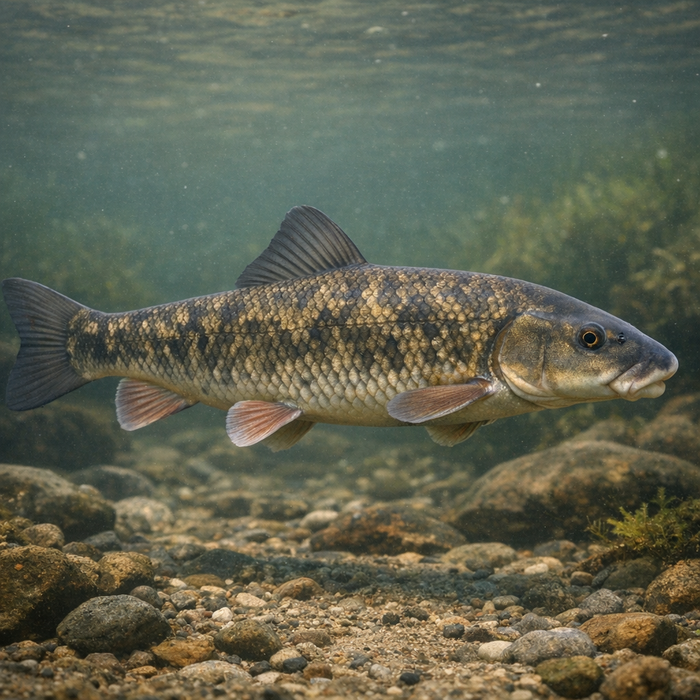
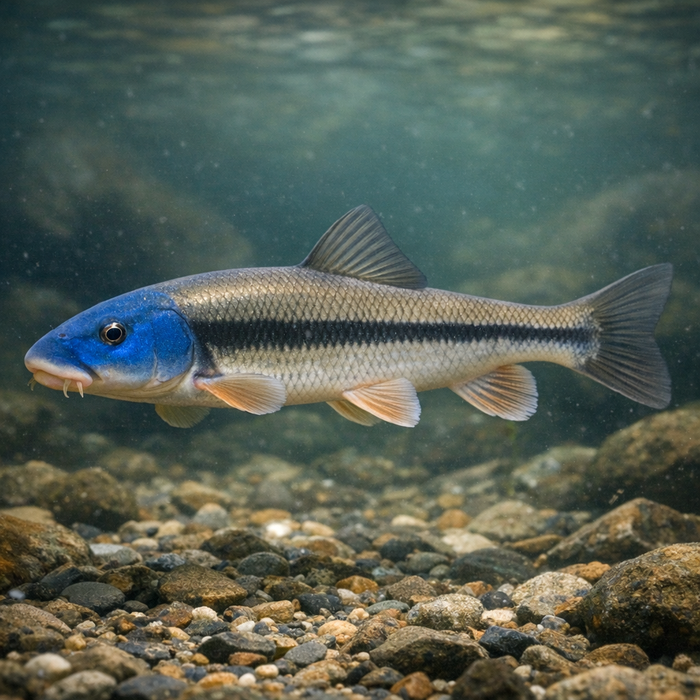
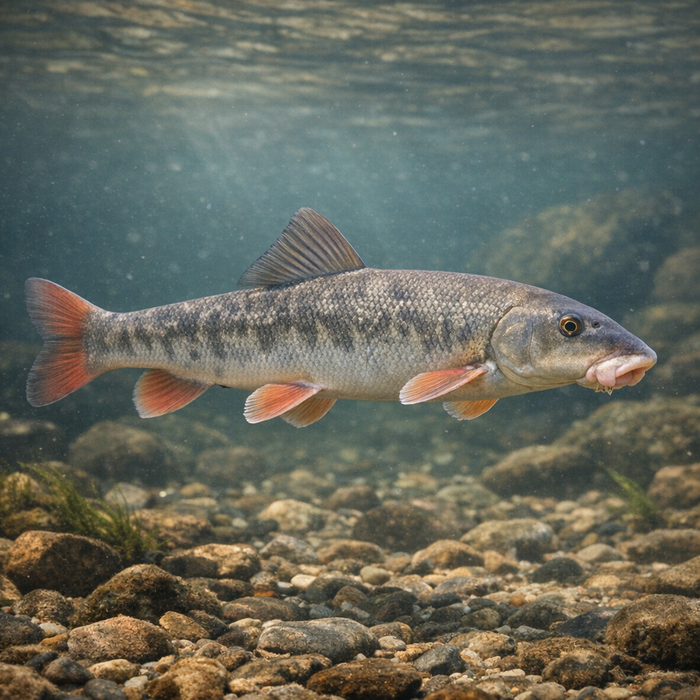
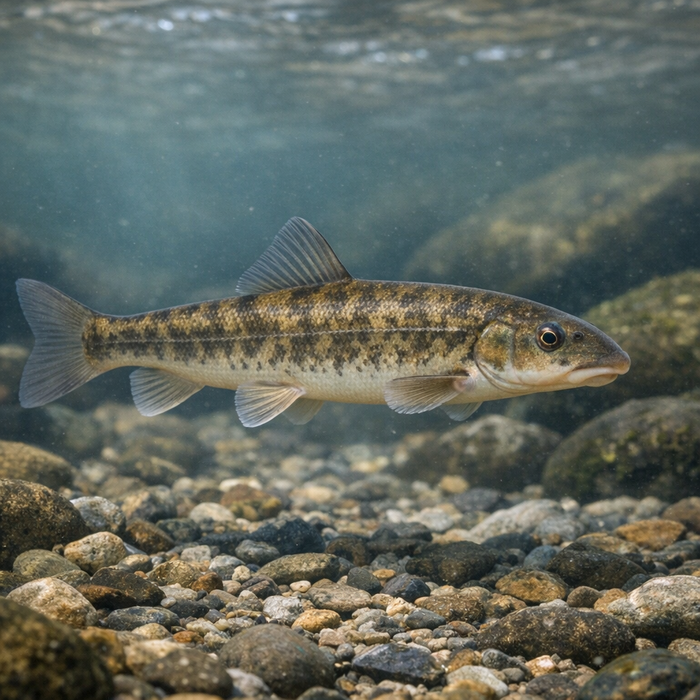
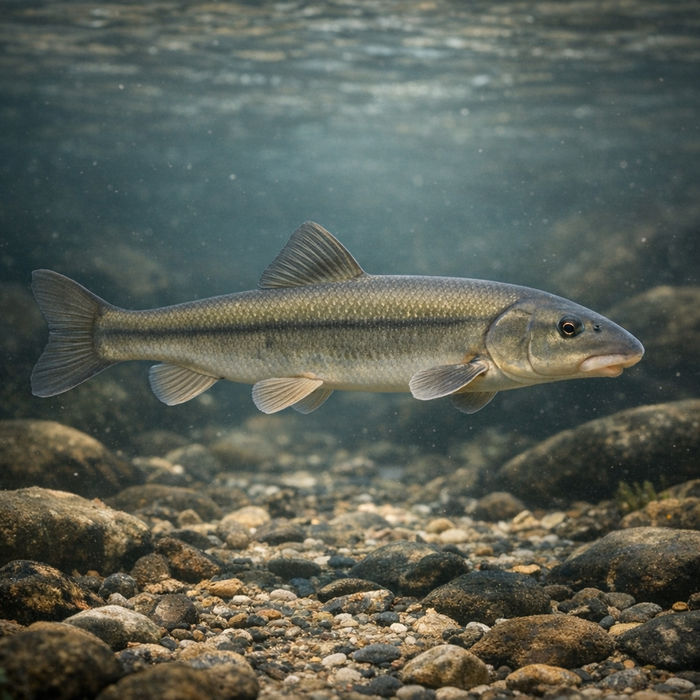
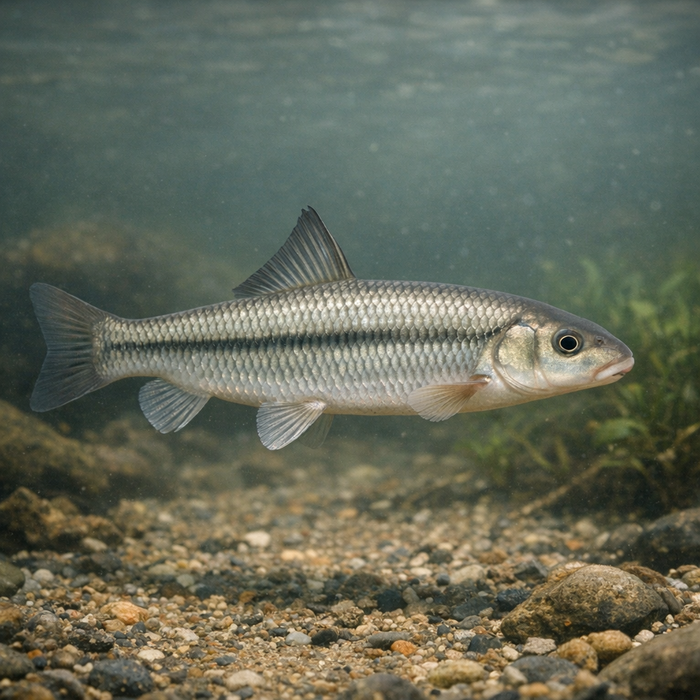
Mexican Redhorse (Moxostoma austrinum): A Bold, Memorable Hook LineIntroductionThe Mexican redhorse is the kind of native rough fish that quietly runs the river while everyone chases bass. It's built for current, armored in copper sheen, and armed with a vacuum of a mouth that turns gravel into dinner. Not flashy by reputation, but let one tail up on a shallow riffle and you'll realize this fish is pure river authenticity. If you're looking for real Mexican redhorse facts, not fish tales, you're in the right current.What Makes the Mexican redhorse Unique?Two big things: lips and color. The lower lip is thick and furrowed with papillae, engineered to rasp insect larvae and crush small snails. It's a specialist design that screams "riffle worker." Then there's the fin show. During the spawn, males blaze orange to red on the caudal and anal fins, a straight-up traffic cone in clear water. That combo of specialized feeding gear and seasonal color pops separates the Mexican redhorse from the generic sucker crowd.Habitat & Global Range"Global range" is a stretch; this is a borderlands fish tied to the Rio Grande basin and connected spring creeks. Think clear to lightly turbid rivers over gravel and cobble, steady current, and honest, oxygen-rich water. Spring-fed tributaries around southwest Texas keep flows cool and stable when summer turns mean. You'll also spot them in moderate runs, heads and tails of pools, and along gentle seams. Search the map all you want, but you won't find a truly global footprint here. If you wanted a quick anchor term, call this Mexican redhorse habitat: clear rivers, spring creeks, and ripply gravel.Behavior & TemperamentThe Mexican redhorse is not a brawler by choice. It's deliberate, tight to bottom, and extremely tuned to flow. Feeding looks like slow-motion vacuuming: snout down, lips rasping, silt puffing out the gills. They school loosely in non-spawning periods and stack hard in riffles when flows rise in spring. Spooks easy, fights honest. Hook one and expect a determined, bulldog angle into the current rather than cartwheels. Low light and cloud cover often loosen them up, but a clean drift beats any magic hour.Ecological ImportanceCall them the river's janitorial crew, and that's a compliment. By sifting gravel, Mexican redhorse clean substrate, redistribute fine sediments, and unlock food for themselves and others. Their eggs and fry feed a ton of small predators, and adults bridge energy from the river's insect factory into higher levels of the food web. They're a biological tell: if riffles are choked with silt and flows are erratic, redhorse numbers usually fade.Conservation & Environmental PressuresThis fish lives and dies by flow, clarity, and intact gravel. Groundwater depletion that throttles springs, sediment from poor land use, and channelization all hurt. Add in fragmented access and limited monitoring, and you get a native that's easy to overlook. The Mexican redhorse isn't an Instagram star, so data can be thin. But healthy riffles, stable spring flows, and smart water management keep them ticking.The FishyAF TakeThe Mexican redhorse deserves more respect. It's not a consolation prize; it's a current specialist with great looks and serious river credentials. If you appreciate wild fish that do a job and wear their watershed on their sleeves, this one's for you. You don't need a bass boat, just stealth, small hooks, and a decent drift. Learn the seams, read the rocks, and you'll start seeing them everywhere they've always been. Among all the Mexican redhorse facts you could memorize, here's the keeper: this fish is proof a river's heartbeat is in the riffles.