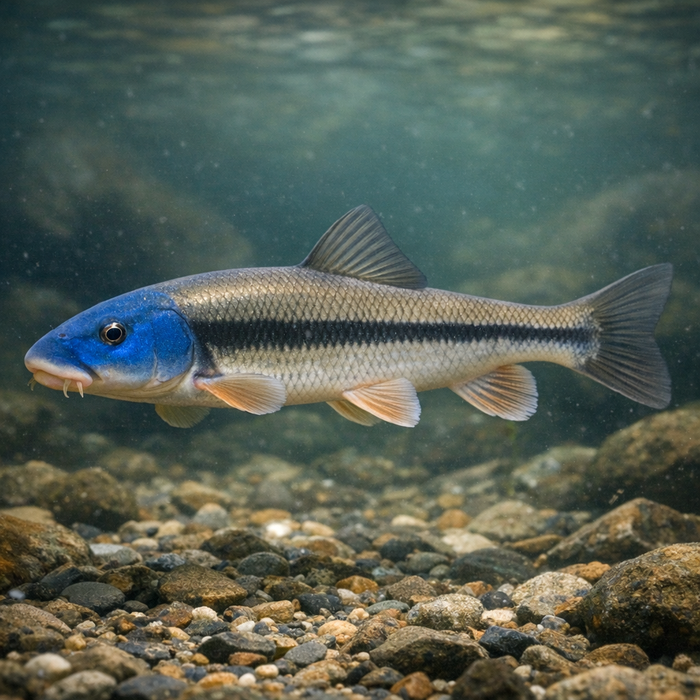
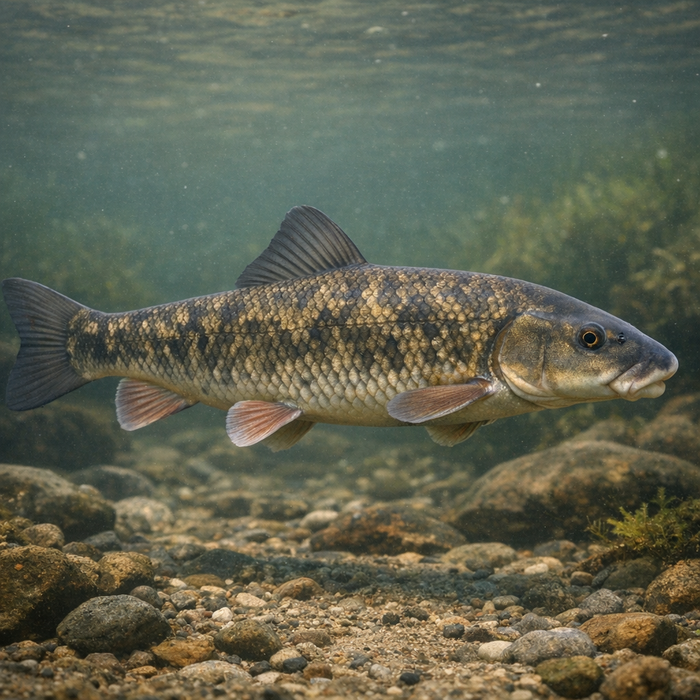
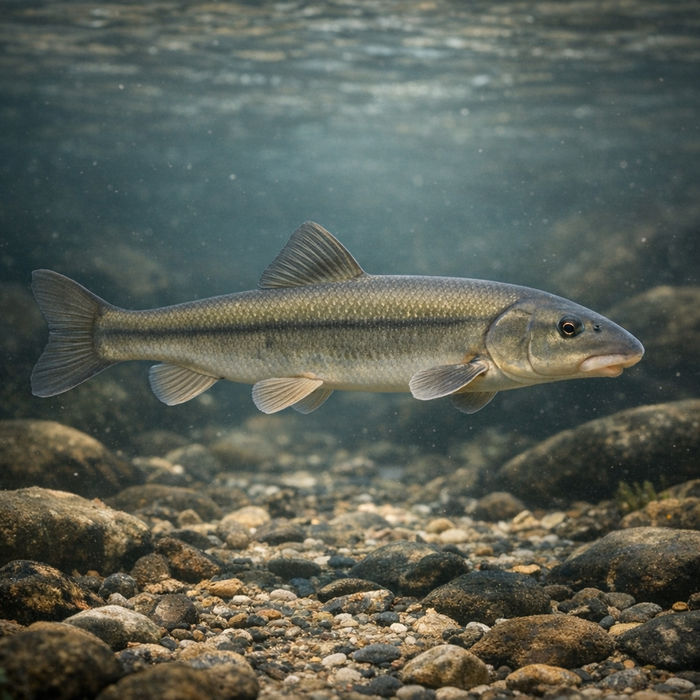
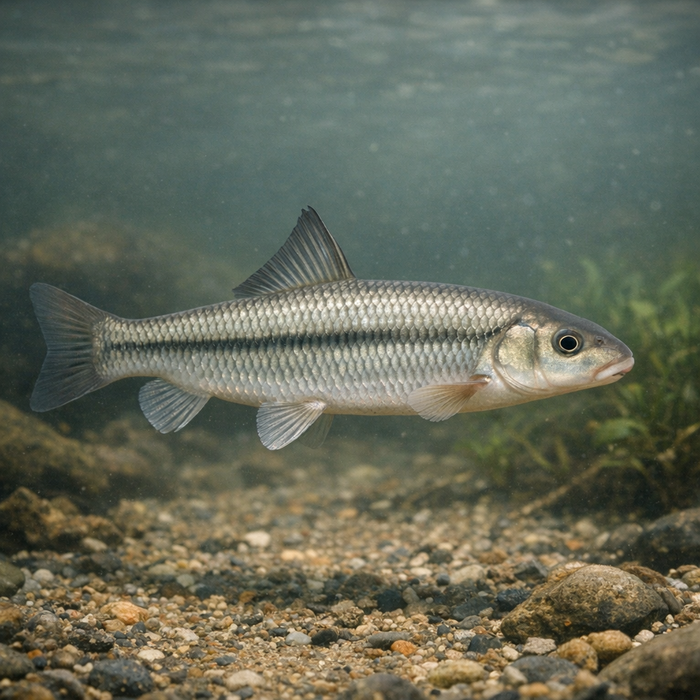
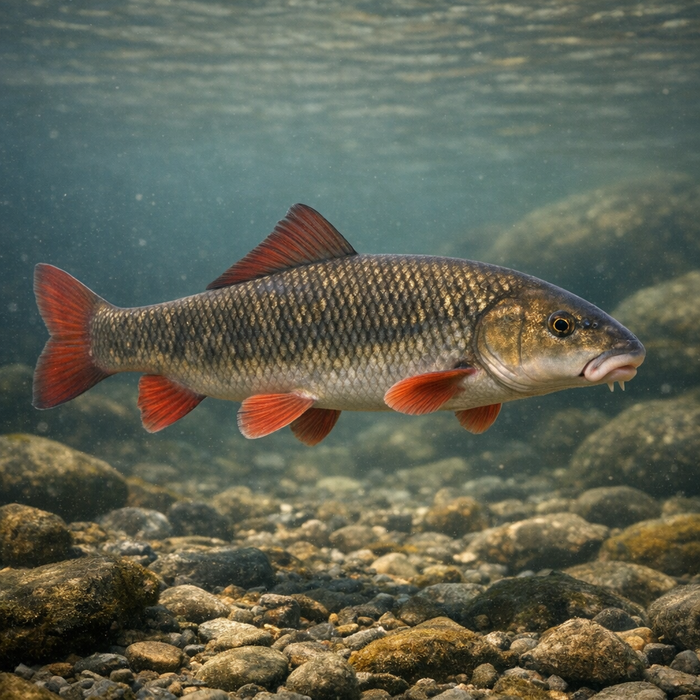
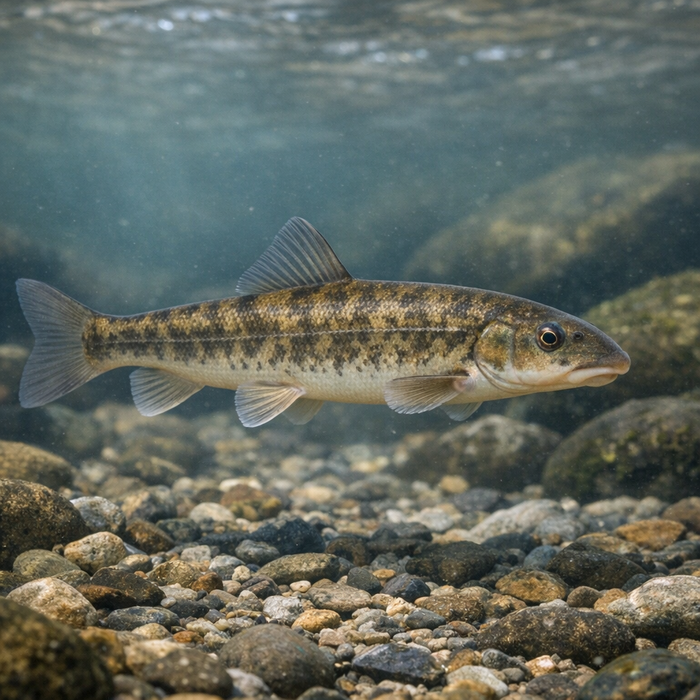
Flannelmouth Sucker (Catostomus latipinnis): The Native Vacuum With Canyon-River SwaggerIntroductionIf you fish the Colorado River system long enough, the flannelmouth sucker shows up like a local who knows every rock by first name. It's the native benthic specialist pulling cleanup duty under raging current while trout get all the Instagram love. Want real river cred? Learn the flannelmouth sucker and you'll start reading riffles like a map and catching fish others ignore.What Makes the Flannelmouth sucker Unique?First, that mouth. Thick, flannel-textured lips crowded with papillae act like a suction cup and scrub brush in one, engineered to hoover algae and pry loose invertebrates from cobble. Second, power fins. The species name latipinnis means broad-finned, and it shows in big pectorals that anchor the fish in muscular flow. Third, durability. The flannelmouth sucker handles floods, turbidity, and shifts in temperature better than most prima donna gamefish, yet it still plays by the rules of clear-water stealth.Habitat & Global RangeThis is a Colorado River basin native through and through. Think desert canyon rivers, cobble riffles, boulder runs, and tailwaters with steady flows. You'll encounter the flannelmouth sucker from the mainstem Colorado to big tributaries like the Green, San Juan, and Virgin. It likes moving water but uses reservoirs and river inflows too, especially where clean gravel meets a touch of fertility. If you're chasing "Flannelmouth sucker habitat," start with knee- to waist-deep riffles adjacent to deeper slots, then glass seams and eddies for bronze shapes glued to bottom.Behavior & TemperamentThe flannelmouth sucker is deliberate, not dumb. They hold station nose-first into current, graze methodically, and spook hard when a shadow or sloppy wade thumps their zone. They're not surface feeders and rarely chase, so patience wins. In spring, fish stage and push miles upstream to spawn on clean gravel, often schooling on prime riffles. Sight-fishing plays all year in clear water; otherwise, you're feeling bottom ticks and reading subtle line twitches. Hookups are steady pressure affairs, not violent smash-fests, but big ones dog deep with surprising leverage.Ecological ImportanceCall them river janitors if you want, but the flannelmouth sucker is closer to river architect. By stripping biofilm, cycling nutrients, and rooting around the substrate, they keep riffles breathable for insects and other natives. Their eggs and young feed predators like trout and chubs, and adults help stabilize food webs in a basin hammered by dams, invasives, and drought. If you're after solid Flannelmouth sucker facts: these fish are workhorses holding the desert river machine together.Conservation & Environmental PressuresOfficially, the flannelmouth sucker sits more comfortably than its razorback cousins, but it still fights headwinds. Dams flatten natural flows and strand spawning runs. Cold tailwaters benefit trout while native assemblages juggle mixed signals. Non-native predators chew on juveniles, and introduced white suckers hybridize with flannelmouth, clouding lineage in some reaches. Add sediment pulses, warm-water spikes, and dewatering, and you've got a native surviving by grit and good fins. Anglers can help: avoid trampling shallow redds, handle fish gently in heat, and keep them wet for a fast release.The FishyAF TakeThe flannelmouth sucker won't win many beauty pageants or gear sponsorships. Perfect. It's a truth-teller species that rewards good river craft: stealthy wading, precise drifts, and a real understanding of current. Nail the presentation and you'll stack them while everyone else complains about picky trout. That big bronze ghost sliding the riffle edge? That's the native you should brag about. Learn the flannelmouth sucker, champion the river it needs, and you'll fish the Colorado basin like you actually belong there.