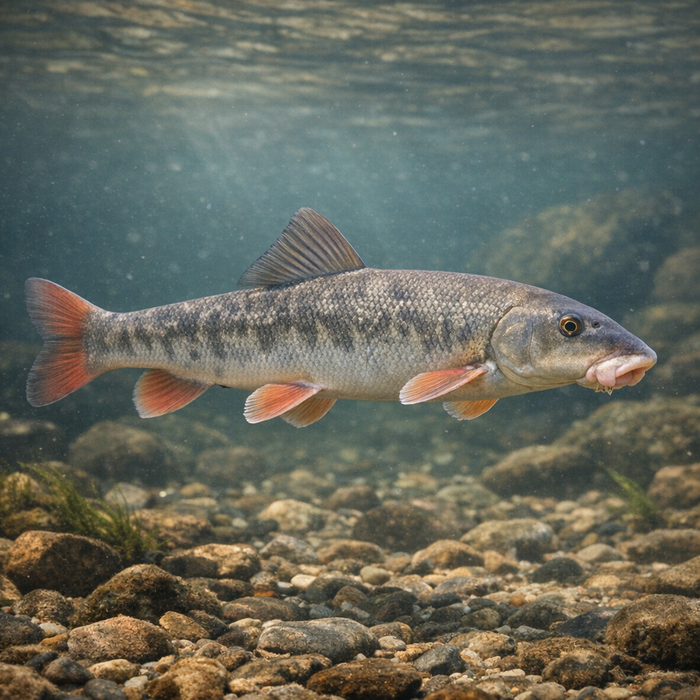
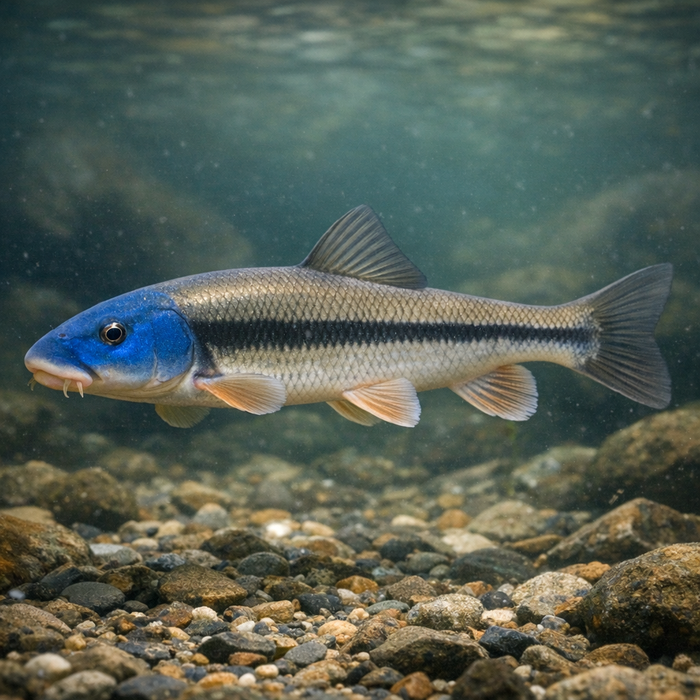
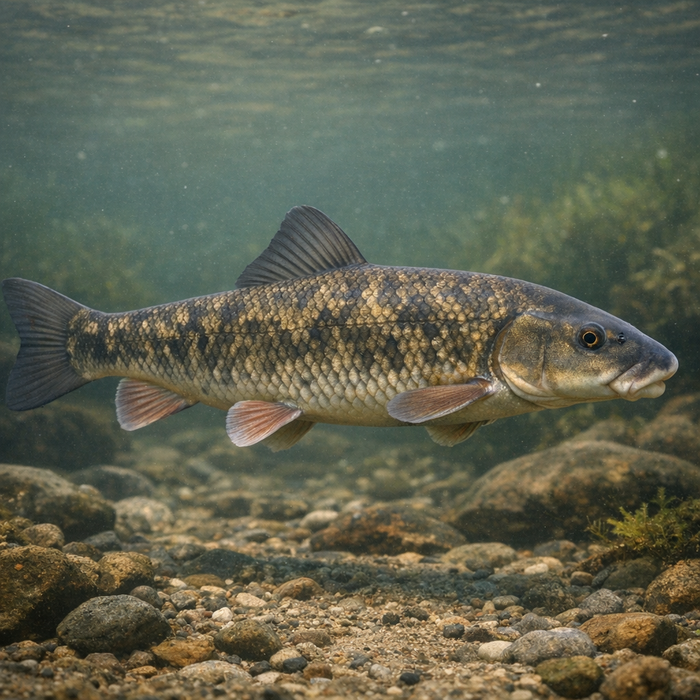
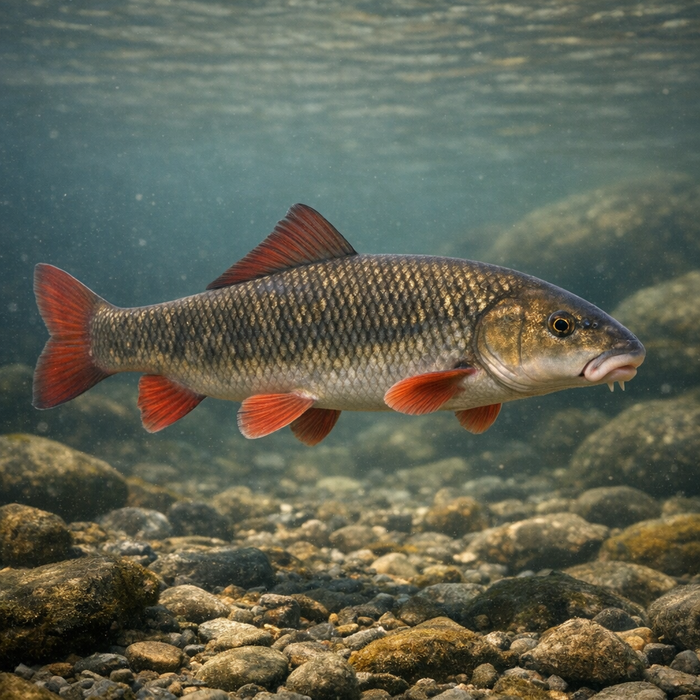
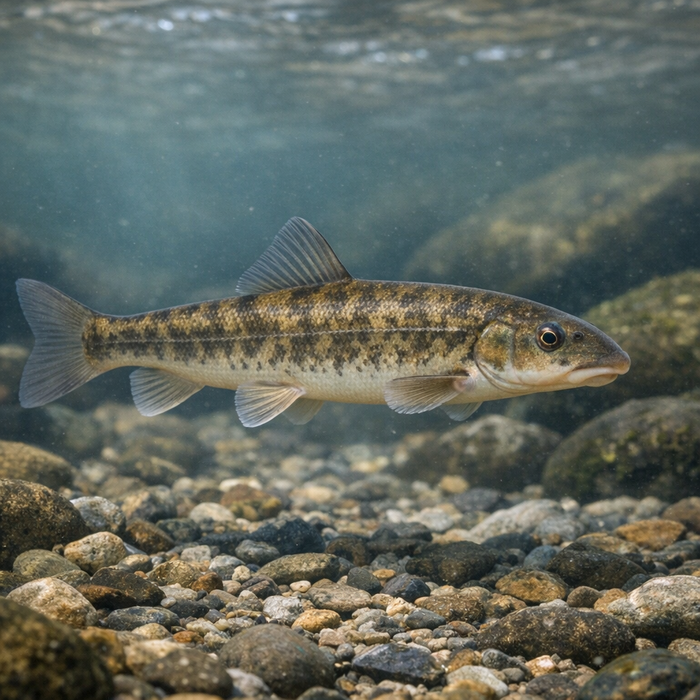
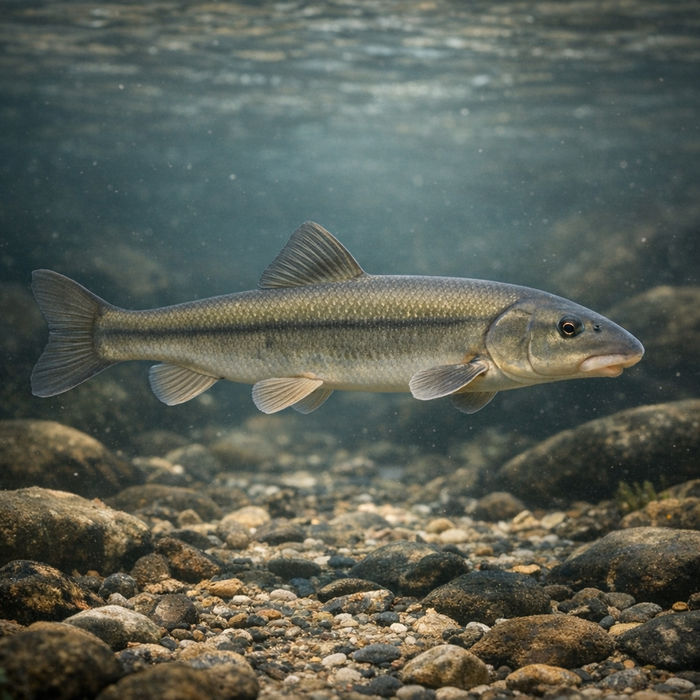
Sharpfin Chubsucker (Erimyzon tenuis): The Sneaky Vacuum Cleaner Of Southern CreeksIntroductionThe sharpfin chubsucker is the small, under-the-radar bottom grazer that thrives where clean water and quiet current meet. It won't blister drags, but it will test your finesse, patience, and ability to spot fish in shin-deep, crystal creeks. For anglers who like a challenge measured in stealth rather than horsepower, this little sucker is catnip. If you're chasing sharpfin chubsucker facts or trying to dial in sharpfin chubsucker habitat, you're in the right riffle.What Makes the Sharpfin chubsucker Unique?Start with the silhouette. Unlike its chubsucker cousins, this fish carries a distinctly pointed dorsal fin, giving it a sleeker, arrowed profile. Then there's the stealth factor: the species lacks a lateral line, the pressure-sensing system most fish rely on, yet it glides with spooky calm in clear, shallow water. Finally, its mouth is a tidy vacuum rig. Those fleshy lips, backed by rough pads, sift sand and leaf litter to mine tiny invertebrates and algae. It's equal parts surgeon and shop vac.Habitat & Global RangeThe sharpfin chubsucker is a child of the Gulf Coastal Plain. Think clear, tannin-tinged creeks, oxbows, and small rivers with sand or fine gravel and plenty of vegetation. Oxbow backwaters, spring runs, and slack margins of lowland streams are prime. Depth is usually modest, current is gentle, and the best water stays bright and clean year-round. The species ranges through portions of the Southeast and Gulf Coast drainages, with populations patchy and very local at times. If you're scouting new water, look for submerged grasses, sparse woody debris, and that telltale transparency that lets you sight-fish from the bank.Behavior & TemperamentThis is a deliberate, daylight feeder. Sharpfins browse along the bottom, tail tipping as they puff silt and spit clean grains from the gills. They rarely break the surface, don't roam far from comfort lanes, and can spook at clumsy footfalls. Small groups are common, but it's not a tight schooler like shiners. Spring flips the switch: as temperatures rise, fish slide into shin-deep weedy flats to spawn, males roughened with breeding tubercles. Fights are modest but honest on ultralight gear, and accuracy matters more than brute force.Ecological ImportanceCall them the janitors with good taste. The sharpfin chubsucker processes detritus, biofilm, and tiny invertebrates, moving nutrients while keeping benthic surfaces clean. That vacuuming stabilizes algae growth, recycles energy, and creates miniature feeding opportunities for insectivores and sight-hunting predators. The species itself is forage for larger fish and wading birds, knitting together the lowland creek food web. Lose the sharpfin and you don't just lose a fish; you loosen the bolts on a surprisingly complex system of sunlight, plants, bugs, and beaks.Conservation & Environmental PressuresThis fish is picky in the best way: it wants clear water, intact vegetation, and steady baseflows. Silt from poor land use gums up its feeding routine. Ditching, channelization, and groundwater withdrawals flatten spring-fed creeks that otherwise shelter it during hot months. While the sharpfin chubsucker isn't a headliner for threatened lists, local declines can be sharp where water quality slides. It's a species that tells on your watershed. Keep the creeks clean, and sharpfins hang around; cloud them up, and they vanish first.The FishyAF TakeThe sharpfin chubsucker is a litmus test wrapped in bronze. If you've got them, your creek's still got its act together. Angling-wise, it's a quiet obsession: sight, stalk, and set the tiniest hook like you're diffusing a bomb. You won't brag on weight, but you might brag on form. Put one in the net and you'll learn a ton about reading bottom, light, and fish body language. And once you dial in sharpfin chubsucker habitat, you'll start seeing opportunities everywhere most anglers just splash past.