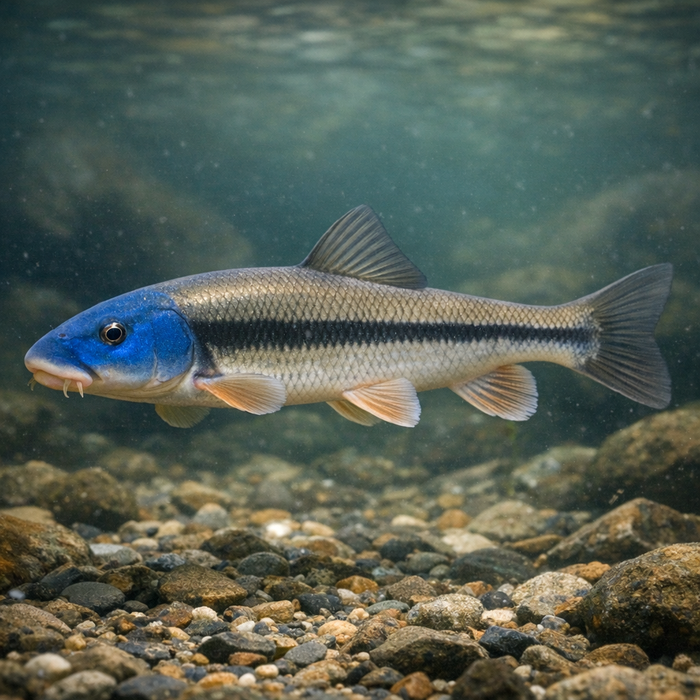
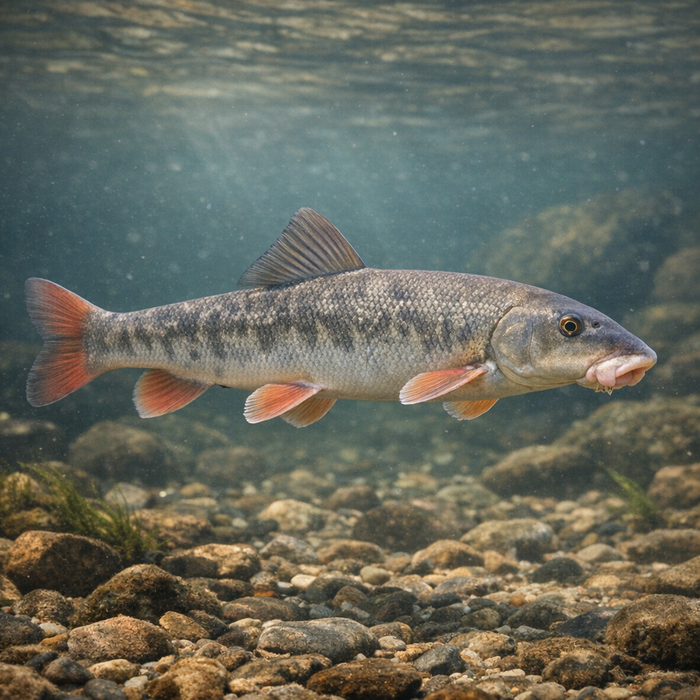
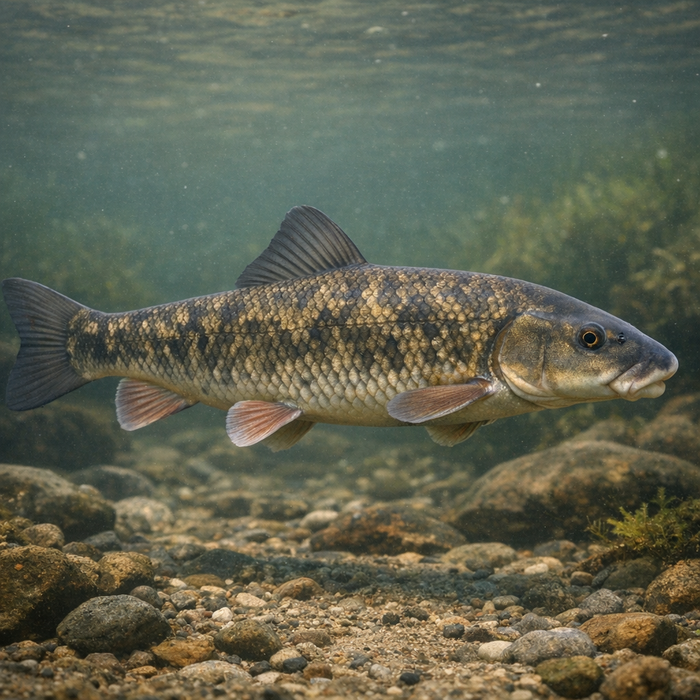
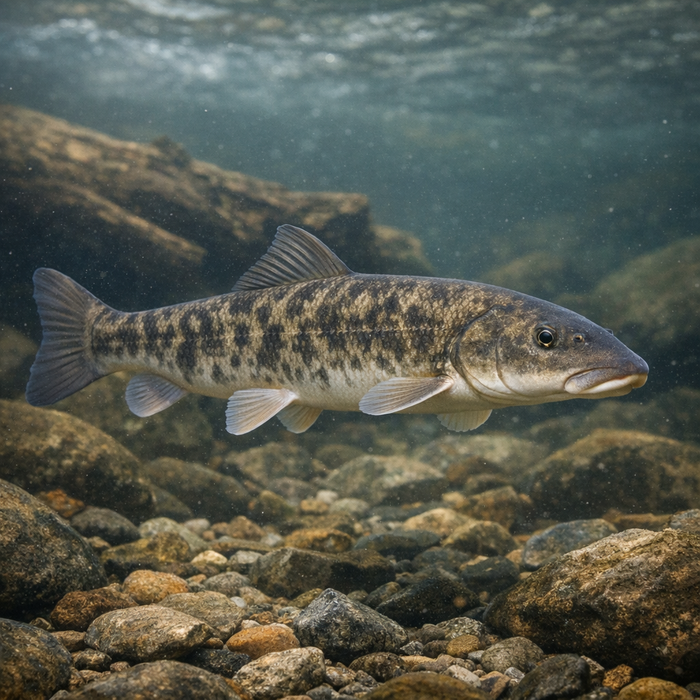
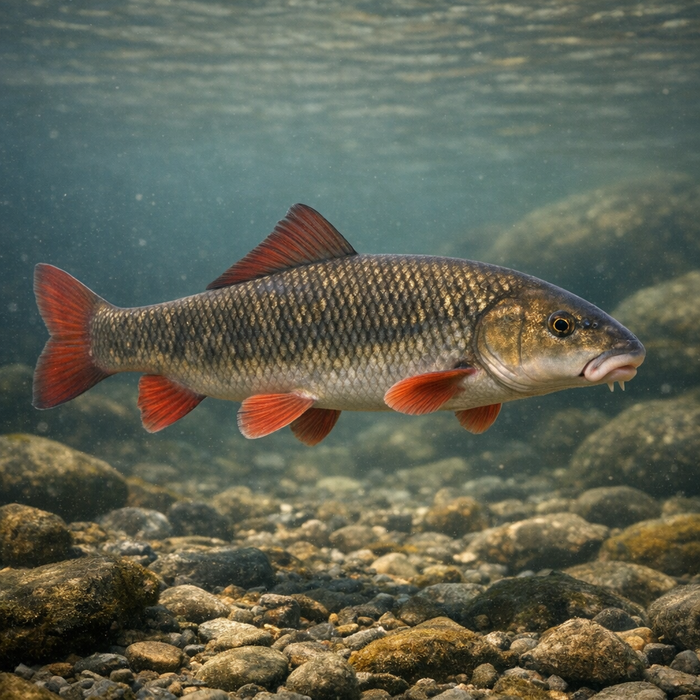
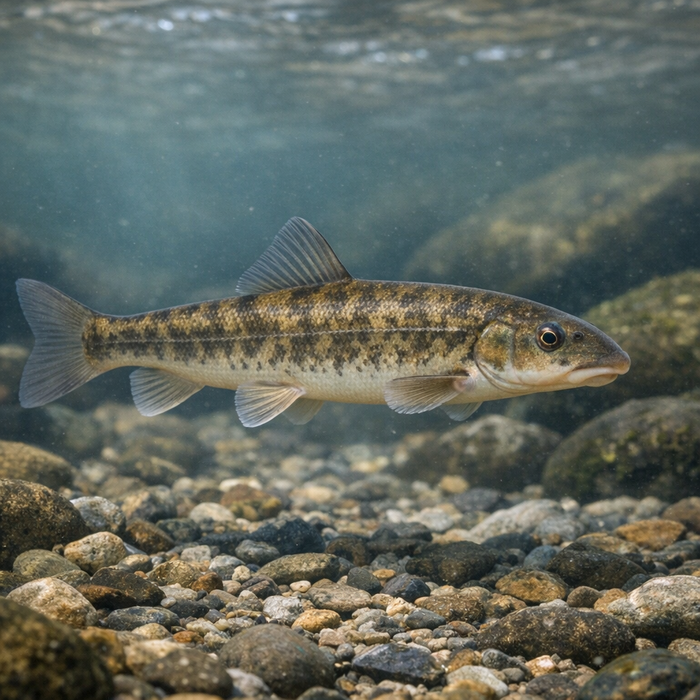
Owens sucker (Catostomus fumeiventris): A Bold, Memorable Hook LineIntroductionThe Owens sucker is a desert-born specialist with a smoky belly, a vacuum-cleaner mouth, and a talent for thriving in water that would make pampered trout cry. If you fish the Eastern Sierra and think only in rainbows and browns, you're missing a native character with serious local swagger. This fish works the bottom like a union job, slow and methodical, and that makes it a surprisingly rewarding target for anglers who appreciate subtlety. Want real Owens sucker facts and a sense of the Owens sucker habitat without the textbook yawns? Keep reading.What Makes the Owens sucker Unique?Two big things. First, that mouth. The Owens sucker has thick, papillose lips designed to pull in silt and sift out edible bits while ejecting grit through the gills like a tiny processor. Second, its namesake look: breeding adults show a dark, sooty belly and slate-tinged fins, a literal nod to its scientific name, fumeiventris. Toss in long lives for a rough fish, slow growth in cold water, and you've got a fish that quietly outlasts the chaos around it.Habitat & Global RangeThe Owens sucker is built for the Owens River system's mosaic of spring-fed reaches, irrigation channels, and reservoirs stitched along the Eastern Sierra. Cold inlets, clean gravel riffles, and slower runs are prime neighborhoods, while deeper reservoir edges provide a winter bunker. Seasonal flows from Sierra snowmelt shape everything. As water rises and temperatures climb into the low 50s, fish stage in current breaks and creek mouths. Low flows push them into pools and reservoir margins where the bottom stays soft and bug-rich. If you're thinking like an angler, picture seams, tailouts, and the mouths of feeder springs as dependable staging zones.Behavior & TemperamentCall the Owens sucker calm, not lazy. It's a bottom grazer that patrols short routes, pausing to Hoover up invertebrates and detritus. Aggression is low, wariness medium-high. During spring, they move in twilight or full dark with quiet confidence, making subtle upstream pushes to spawn over clean gravel. Schooling is loose most of the year, then tightens into congregations near inlets and riffles as the spawn approaches. Fights are modest but honest, the classic sucker tug with a couple determined runs on light line. Presentation matters more than the pitch: put the bait on the bottom, drift naturally, and keep it subtle.Ecological ImportanceThe Owens sucker is a workhorse in a fragile, desert-meets-alpine system. By sifting silt and grazing on benthic critters, it keeps nutrients moving and substrate cleaner for the next wave of life. That steady bottom-feeding reduces algal mats, opens lanes between gravels, and helps other natives and even trout. In a river where clarity and flows can swing wildly, this fish is a stabilizer. It's not glamorous, but it's essential.Conservation & Environmental PressuresWhile the Owens sucker is not some edge-of-extinction headline, it still rides the rollercoaster of diversions, drought, and shifting flows. Habitat fragmentation can cut off historic spawning routes. Silt pulses bury gravel. Alkalinity spikes challenge gills. The species is tough, though, and persists across reservoirs and river sections when given consistent cold inflow and un-suffocated gravel. Local regulations often aim at the more celebrated trout, but the Owens sucker benefits whenever flows are managed for cooler water and cleaner substrate.The FishyAF TakeIf you're chasing nothing but grip-and-grin trout, fine, but you're skipping a legit Eastern Sierra original. The Owens sucker is the blue-collar native that shows you how the river really works. It rewards deliberate anglers who can dead-drift a worm or nymph on the deck and read a seam without needing chrome and hero shots. It's also a killer gateway into understanding seasonal flows, snowmelt timing, and bottom structure. Fish a few and you'll know the system better. That's the quiet flex. Say Owens sucker out loud a few times while rigging. It grows on you-and so does the fishing.