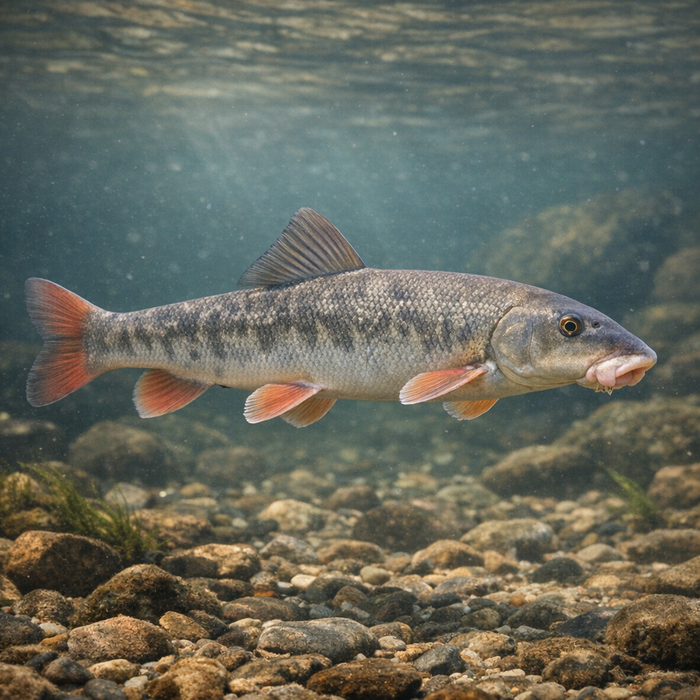
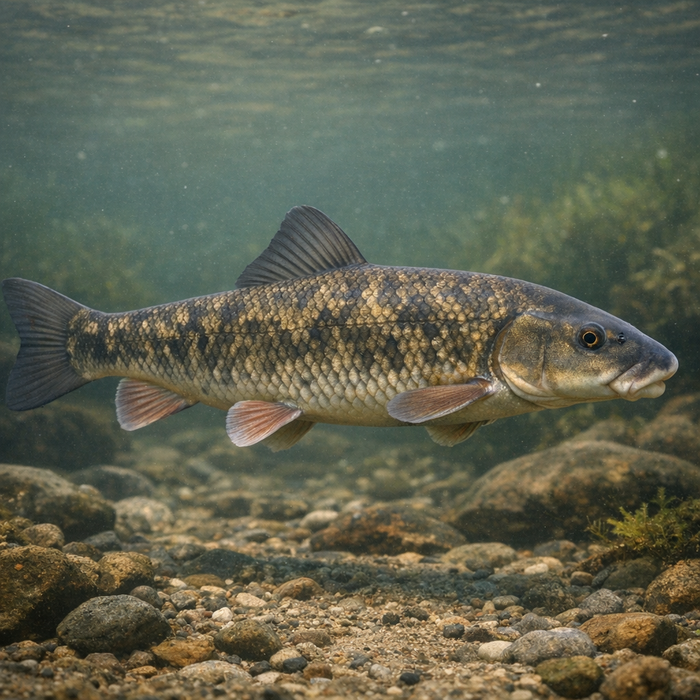
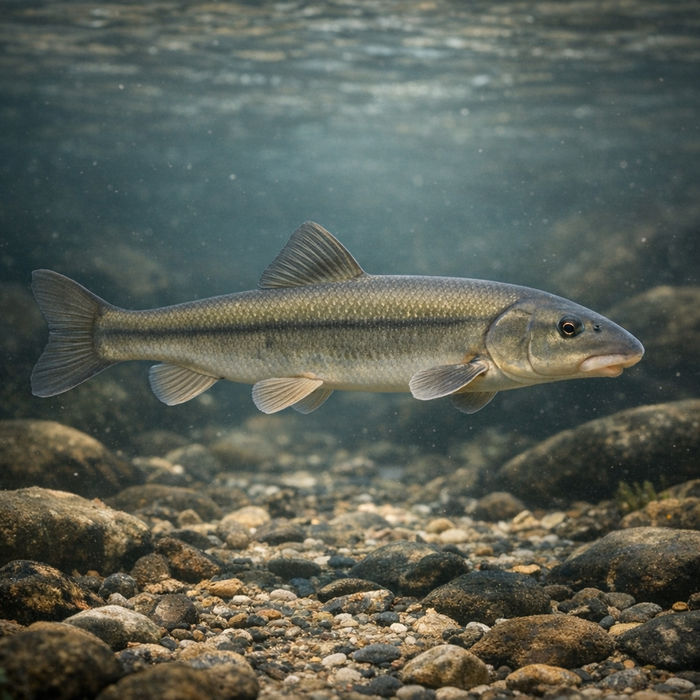
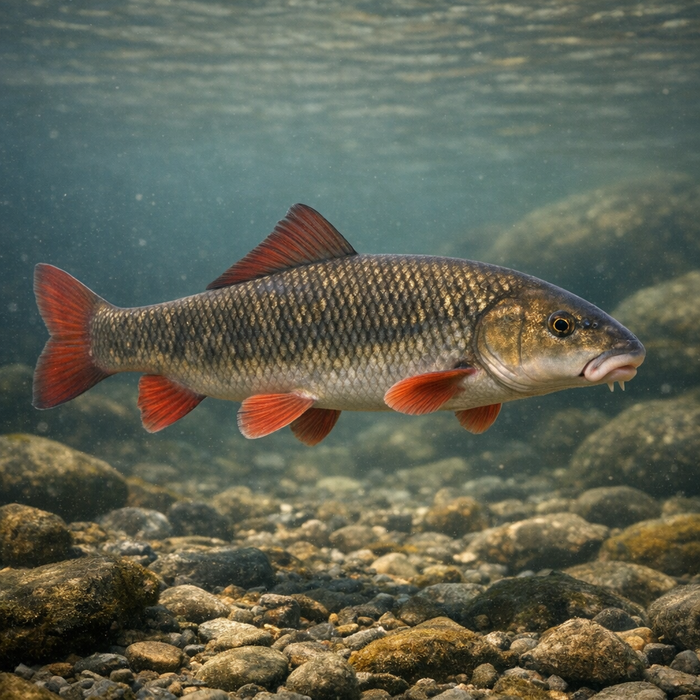
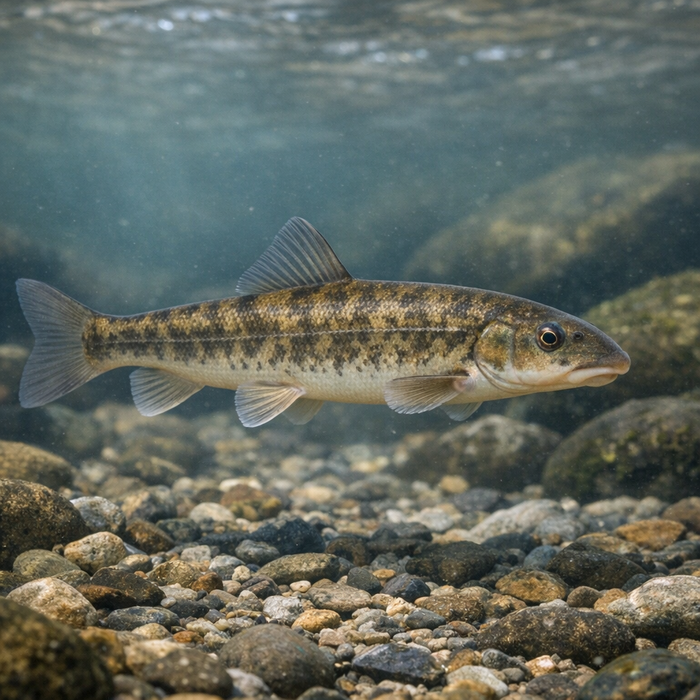
Bluehead Sucker (Catostomus discobolus): Riffle-grazing native with a cobalt nogginIntroductionThe bluehead sucker looks like it was built by the river itself: streamlined, low-slung, and all business. It doesn't blitz topwater or smash crankbaits, but if you appreciate native fish with a backstory, this one's got depth. Think stealth drifts, pocket-water puzzles, and the occasional electric-blue head flashing in spring. This is the bluehead sucker, a specialist that turns rushing water and slick cobbles into its own buffet line.What Makes the Bluehead sucker Unique?Two things jump out. First, breeding males literally dress the part, flashing a slate-to-electric-blue head that inspired the name. Second, the mouth. It's not a random vacuum; it's an engineered scraper, built to mow biofilm and pluck nymphs off rock like a tiny pressure washer. That combo of flashy nuptial color and gritty, grinder-style feeding makes the bluehead sucker weirdly charismatic for a so-called rough fish.Habitat & Global RangeThe bluehead sucker is a creature of current. Classic bluehead sucker habitat features swift runs and riffles with cobble or boulder substrate and clean, well-oxygenated flow. They hold where drifted food loads up: seams, tailouts, and pushy pocket water. While most action happens in rivers, they also use reservoirs near inflows, especially where cobble and current mimic river habitat. Anglers who learn these slots quickly unlock bluehead sucker facts that matter: current is king, rock is home, and depth is usually waist-high or less.Behavior & TemperamentCall it methodical. Blueheads graze, sift, and root along the bottom, rarely wasting energy on the midwater column. You'll spot them tilting and pivoting, lips working, sliding a foot or two, then doing it again. They're not attack fish, but they're not spooked pushovers either. Good drifts fool them; sloppy ones don't. During spring, they move to shallower cobble for spawning and can show off that trademark blue head, along with rough breeding tubercles. Expect a steady, bulldog fight once hooked: low-center-of-gravity torque, not blistering runs.Ecological ImportanceThe bluehead sucker is a maintenance crew for Western rivers. By scraping algae and crushing invertebrates, it recycles nutrients and keeps rock surfaces refreshed. That cleaning service supports healthier macroinvertebrate communities and better feeding lanes for other native fishes. It's a keystone grazer in waters invaded by nonnative predators, and its continued presence is a solid indicator that flows, substrate, and temperature still make sense for river natives.Conservation & Environmental PressuresIt's a native of the interior West that's dealt a rough hand: dams flatten natural flows, fine sediment buries cobble, and nonnative fish compete or prey on juveniles. Hybridization with flannelmouth sucker adds another wrinkle for managers. Many states list the bluehead sucker as a species of conservation concern, and projects that restore riffles, reconnect side channels, and protect spring runoff pulses directly benefit this fish. Anglers can help by handling fish gently, keeping them wet, and knowing which tributaries have special protections.The FishyAF TakeIf you're chasing fireworks, look elsewhere. If you like technical river puzzles and native fish with attitude, the bluehead sucker is your huckleberry. It rewards clean drifts, precise depth control, and a willingness to fish the fast water most folks ignore. The moment that blue head glows in knee-deep current, you'll get it. Bluehead sucker habitat isn't glamorous, but it's honest. Learn the seams, feed it something real, and enjoy a bulldog on the bottom that makes you a better angler. That's the kind of bluehead sucker facts we can stand behind.