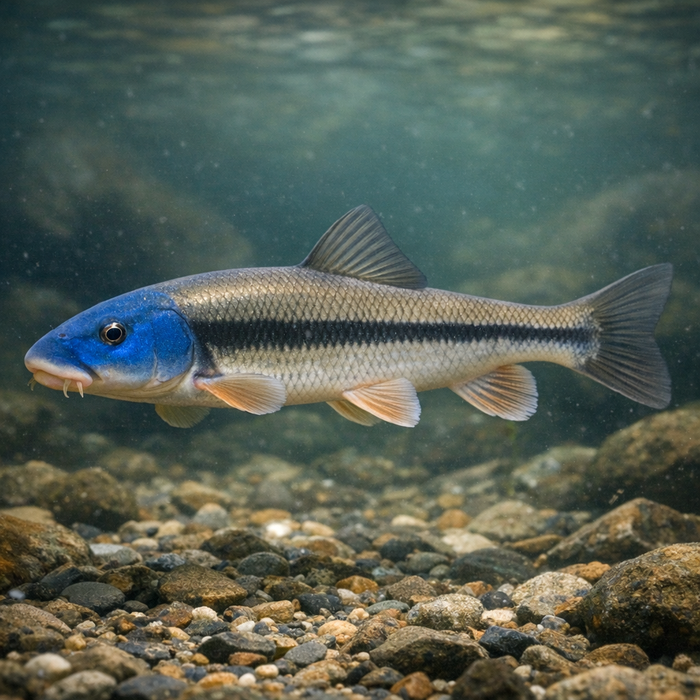
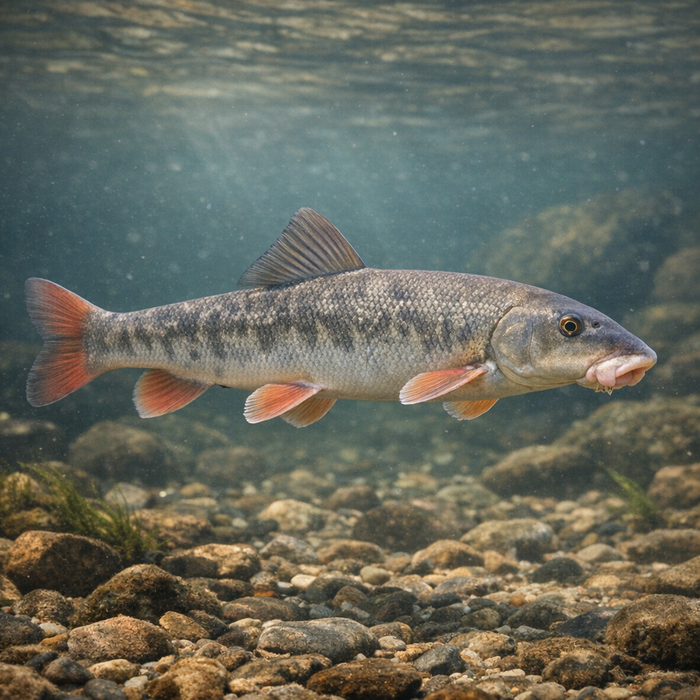
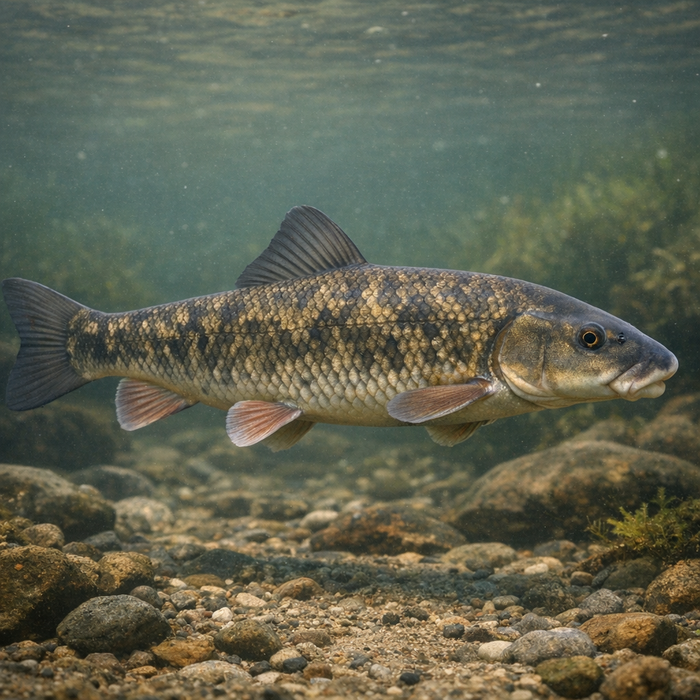
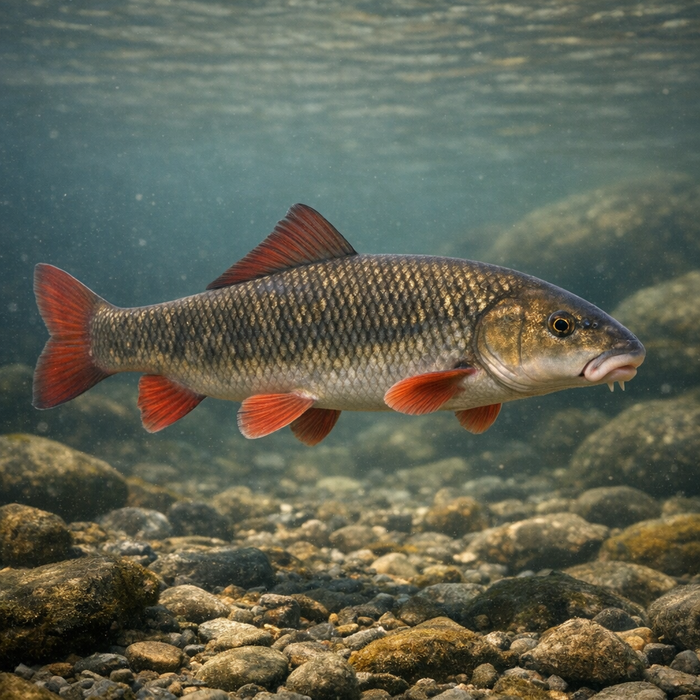
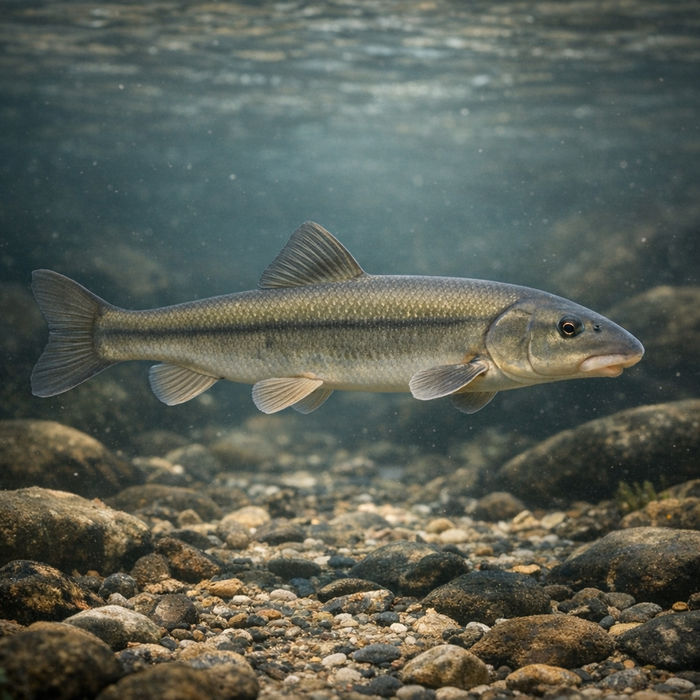
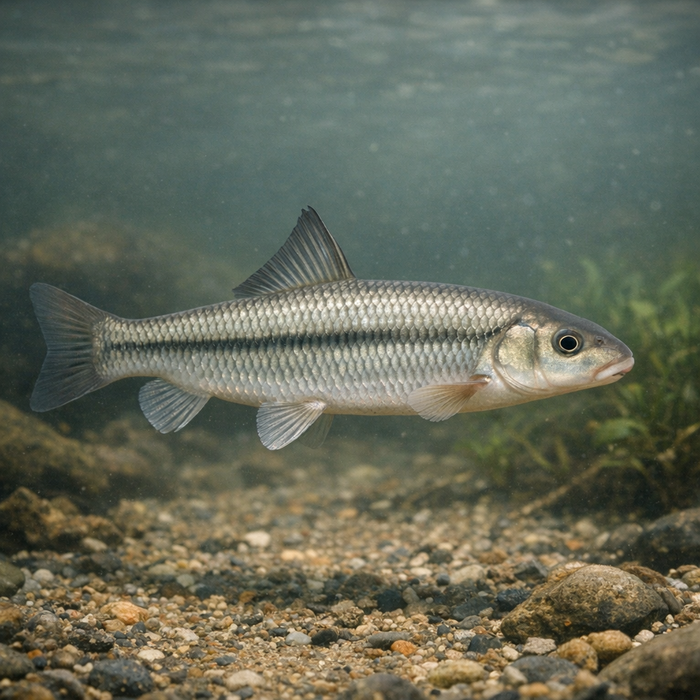
Mountain Sucker (Catostomus platyrhynchus): The stealth grazer ruling fast water while trout steal the spotlightIntroductionThe mountain sucker is the quiet kid in class who aces the test while everyone watches the quarterback. Trout get the love. This little native grazes the rocks, shrugs off pushy current, and outsmarts sloppy drifts. If you've ever stared into a crystal riffle and seen a torpedo with a vacuum mouth polishing cobbles, you've witnessed the mountain sucker doing its day job. Consider this your crash course in Mountain sucker facts and why the species deserves a second look.What Makes the Mountain sucker Unique?First, the hardware: a specialized, ventral suction-rasp mouth engineered to scrape diatoms and periphyton from stone. That mouth isn't just odd; it's purpose-built for life in fast, cold water. Second, the chassis: a subtly flattened head and broad pectorals that help the fish lock into current like a river rock with fins. Finally, seasonal swagger: breeding males roughen up with tiny tubercles and sometimes show orange flush along the flanks, a blink-and-miss display in gin-clear flows.Habitat & Global RangeThe mountain sucker is a Western North America native threaded through the Intermountain West, upper Missouri system, and Columbia-Great Basin drainages. Think cold, swift streams, cobble riffles, and pocketwater seams rather than lazy ponds. They do pop up in lakes with solid inflow and outflow, but the classic mountain sucker habitat is a knee-deep riffle with oxygen to spare. Expect them from valley foothills up into serious elevation, where snowmelt still bites the fingers in July. They stage short runs to spawn in clean gravel, often returning to tight home water afterward.Behavior & TemperamentCall them chill perfectionists. The mountain sucker feeds methodically along bottom, scraping and vacuuming without spectacle. They are not brawlers, but they're spooky and current-savvy. Heavy footsteps, a sloppy shadow, or a high-floating leader sends them skittering. Their daily routine is tied to light and flow: stable, clear water means steady grazing; murky runoff can push them to softer edges or idle pockets. You'll sometimes see them shoulder-to-shoulder with trout, each species ignoring the other while working different menus.Ecological ImportanceThis fish is a river janitor. It converts algae into calories for the rest of the food web, fertilizing higher trophic levels without chasing minnows. Its scraping helps manage periphyton growth, and its eggs and young become protein for trout, char, and birds. Native suckers like this one are bellwethers: when the mountain sucker falters, you can bet something's off with temperature, sediment, or connectivity. Healthy populations scream "cold, clean, moving water."Conservation & Environmental PressuresOverall, the mountain sucker is stable, but stability isn't a forcefield. It needs cold water, intact riffles, and seasonal movement corridors. Silted gravel, low summer flows, and upstream diversions can pin these fish into shrinking habitat. Misidentification during management decisions doesn't help; "just a sucker" often translates to overlooked native. Fortunately, many western states now lean toward native fish conservation, and anglers are waking up to the value of these honest riffle-dwellers.The FishyAF TakeIf you like cracking tough drifts, this fish is your minimalist dojo. The mountain sucker teaches stealth, line control, and humility. Don't expect hero shots or a blistering run. Expect a master class in reading water, in noticing quiet things, in landing a small, flawless native that tells you the river's still working. You came for trout; you stayed for a better drift. That's the mountain sucker in a nutshell-and if you wanted Mountain sucker habitat or Mountain sucker facts, now you've got both with a side of respect.