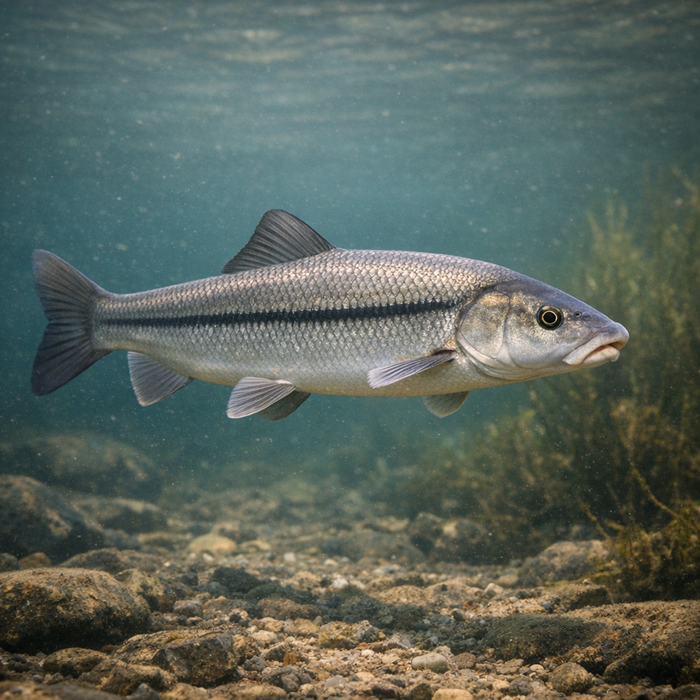
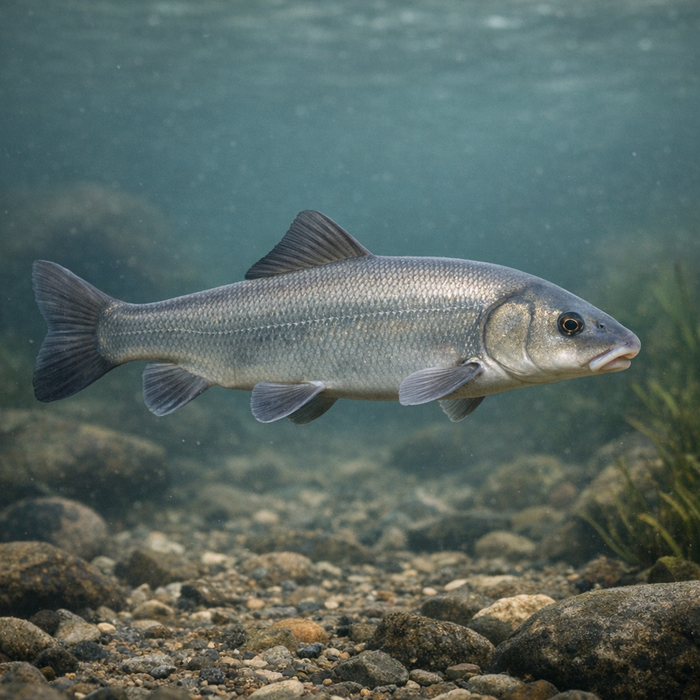
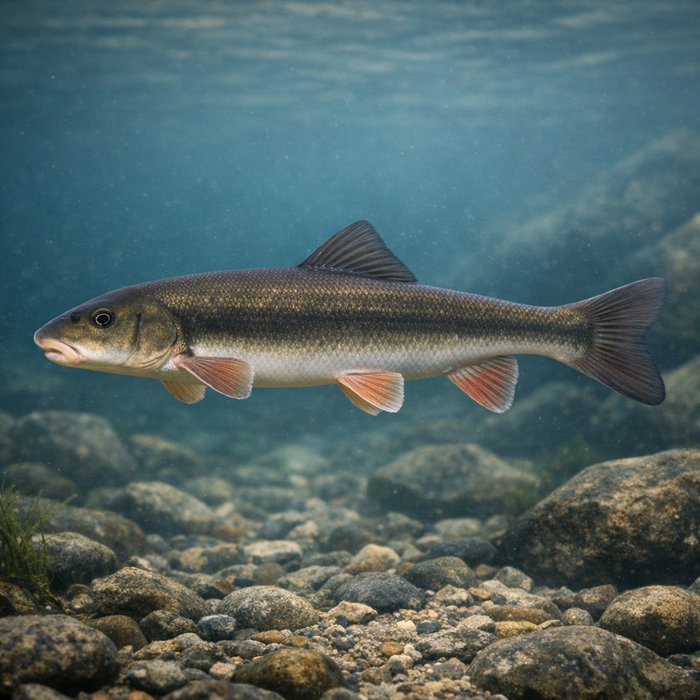
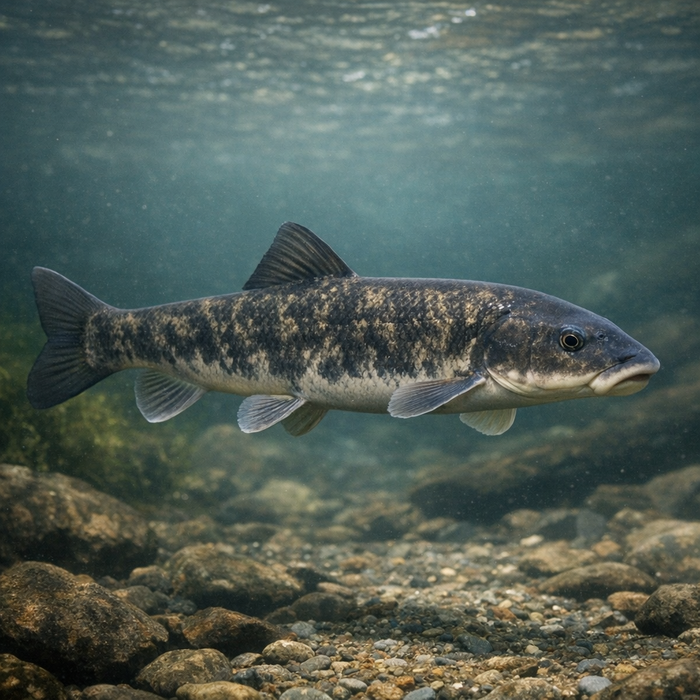
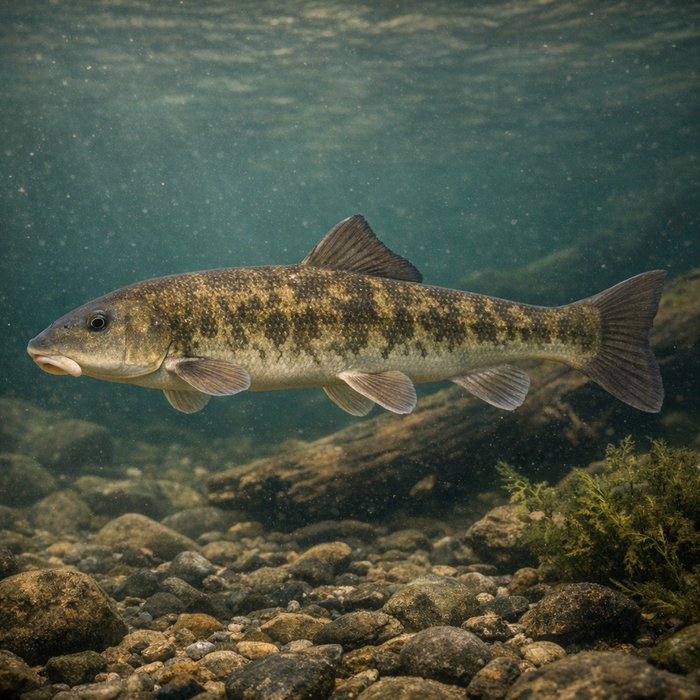
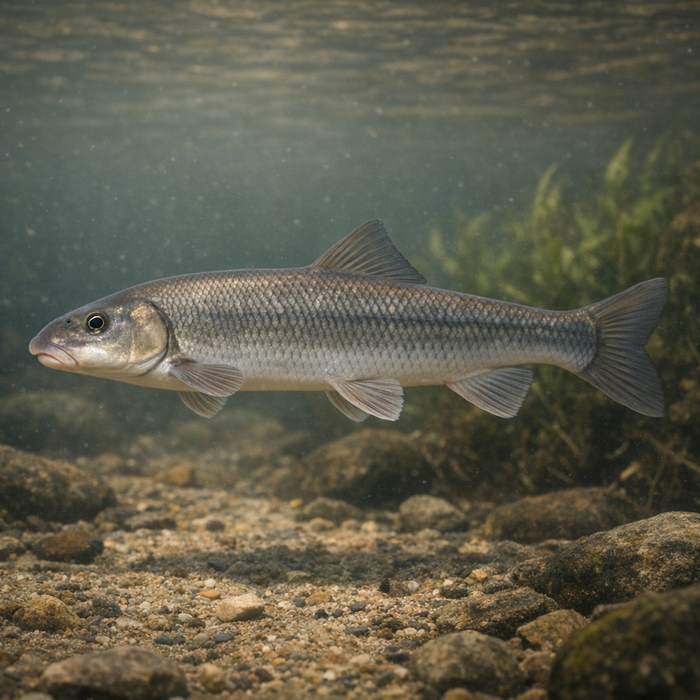
Cui-ui (Chasmistes cujus): A Bold, Memorable Hook LineIntroductionThe cui-ui is a desert survivor with a stubborn streak, a thick-lipped sucker that rode out the end of the Ice Age and still makes a living in one of North America's starkest freshwater arenas. You won't find many anglers chasing them, because you can't. The cui-ui is protected, rare, and iconic precisely because it still exists at all. If you fish Pyramid Lake for trout, you've probably heard whispers about this ghost of Lake Lahontan.What Makes the Cui-ui Unique?The cui-ui is a relict species from the vast Pleistocene lake system that used to cover much of Nevada. It adapted to a huge, alkaline lake and learned to time its spawn to brief pulses of river flow that may or may not show up each spring. It's long-lived for a sucker, with individuals pushing past 30 years, and it's built like a benthic bulldozer with specialized gill rakers for straining plankton. If you like deep-cut Cui-ui facts, here's one: they often delay spawning for years, waiting for the Truckee River to behave.Habitat & Global RangeCui-ui habitat is laser-focused: Pyramid Lake and its connection to the lower Truckee River in Nevada. That's it. This is not a wide-ranging sportfish but a specialist of desert terminal lakes with a once-in-a-while runway to gravel. During non-spawning periods, cui-ui roam open water and deeper basins, riding plankton and foraging along soft bottoms. When spring flows align, they surge into the river, push upstream toward clean gravel, then drift their young back to the lake as currents fall. If you're trying to understand Cui-ui habitat in two words: timing matters.Behavior & TemperamentCui-ui are not brawlers. They school, they cruise, and when hooked incidentally they tend to bulldog more than tail-walk. Their feeding is a mix of bottom foraging and midwater filtering, and they aren't particularly visual hunters. What flips their switch is flow. Warmer spring temperatures and snowmelt pulses cue migrations, and sudden drops in discharge can stall runs just as quickly. They can be surprisingly tolerant of turbidity and wind-whipped desert chop, a good thing when your lake lives in the rain shadow.Ecological ImportanceFor Pyramid Lake, the cui-ui is part of the native backbone, sharing the stage with Lahontan cutthroat trout and a food web shaped by alkalinity, brine shrimp, and desert nutrients. As a plankton and benthic invertebrate grazer, the cui-ui helps transfer energy from the microscopic world into fish biomass, feeding birds and larger predators while stabilizing the system's nutrient churn. It is also a cultural cornerstone for the Pyramid Lake Paiute Tribe, a fish with a name, history, and story that runs deeper than rods and reels.Conservation & Environmental PressuresThe species took heavy hits from water diversions, dams, and degraded spawning habitat through the 20th century. Access to the Truckee River's gravels was choked by structures, and the timing and volume of flows changed dramatically. Recovery efforts, including fish passage at Marble Bluff and targeted flow management, gave the cui-ui a fighting chance. Today, the species remains Endangered and fully protected. That means no harvest, careful handling if you accidentally hook one while trout fishing, and a strong dose of respect for a fish that outlived an era.The FishyAF TakeThe cui-ui is proof that weird, specialized fish make the best stories. You won't plan a trip to catch one, and that's the point. The challenge isn't dialing in a lure; it's keeping a species with a razor-thin habitat window alive. If you fish Pyramid, know the rules, pinch your barbs, and keep your camera wet. Let the cui-ui be the rare sighting that makes your day feel bigger. In a world chasing records and counts, the cui-ui reminds us that not every fish is a target. Some are simply legends you get to witness.