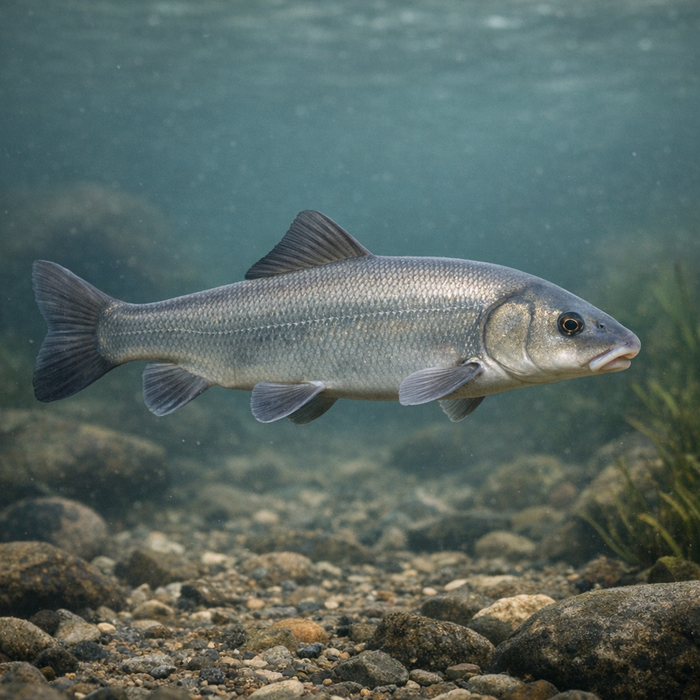
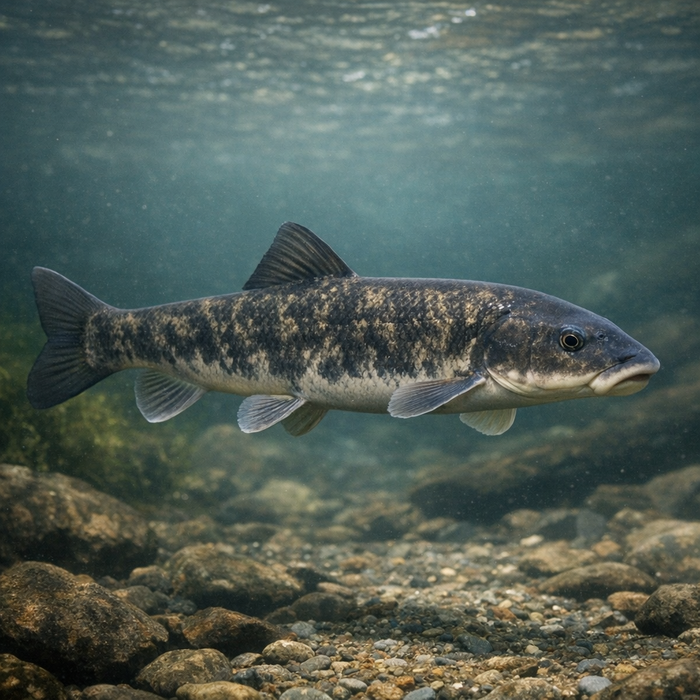
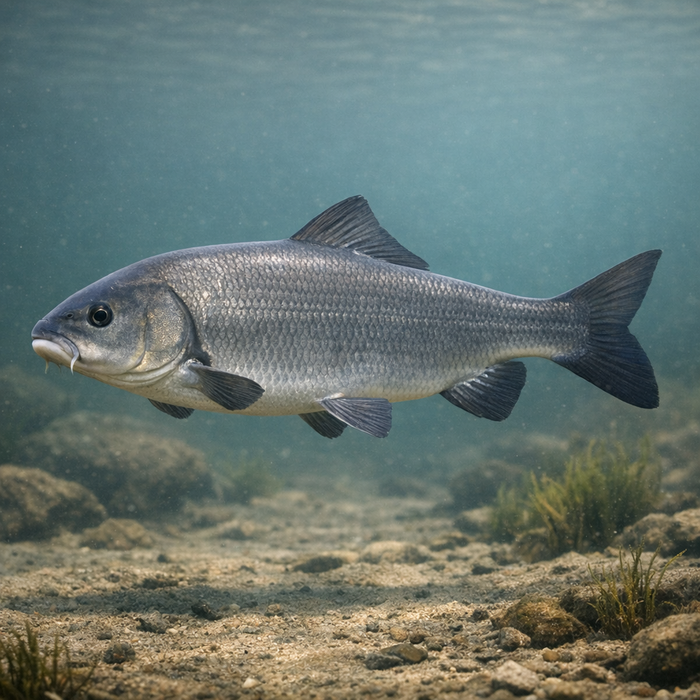
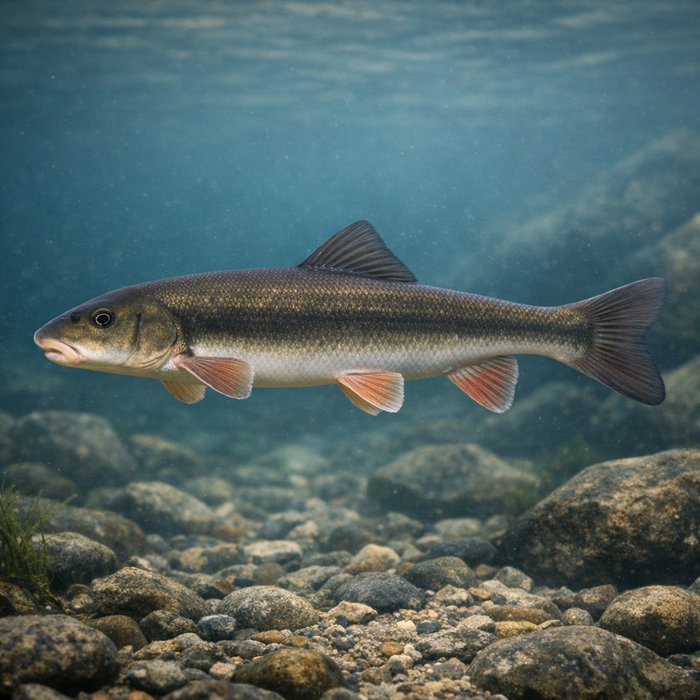
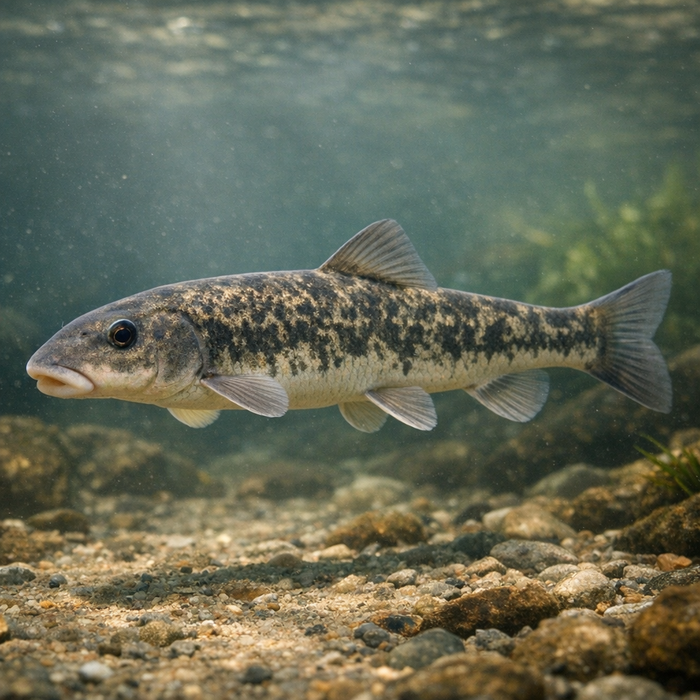
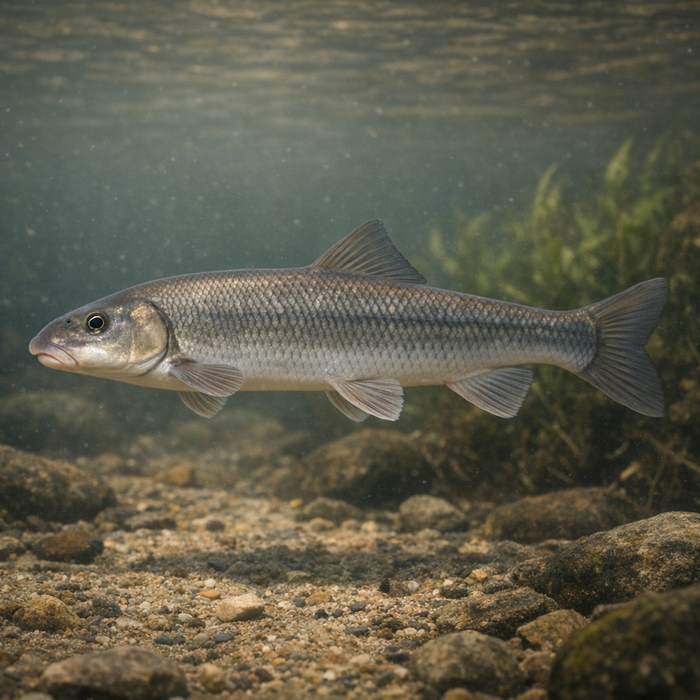
June Sucker (Chasmistes liorus): The pelagic sucker that eats like a filter and ghosts past your lures.IntroductionThe June sucker is not your grandpa's bottom-hugging sucker. This native Western oddball spends much of its adult life roaming open water and sipping zooplankton like a plankton-powered cruiser. You won't see many on stringers for obvious reasons: it's a protected fish with a comeback story. But anglers still bump into them while chasing other species, and knowing a few June sucker facts will help you recognize, respect, and quickly release one if you're lucky enough to cross paths.What Makes the June sucker Unique?First, that feeding style. Most suckers grub along the bottom. The June sucker is different, sporting dense, comb-like gill rakers that let it filter zooplankton in the water column. Second, it's pelagic. Adult fish school and cruise mid-lake like shad, which is unusual among North American suckers. Third, its seasonal timing is tight. The June sucker's name is a hat tip to its early-summer spawning run into tributaries when snowmelt kicks flows and temperatures into the sweet spot.Habitat & Global RangeIf you're looking up June sucker habitat, think shallow, turbid lake basins paired with flowing tributaries that offer gravel and clean, oxygenated water for spawning. Adults spend a lot of time offshore, especially in stained, wind-whipped water where sight predators are at a disadvantage. Come late spring to early summer, they push into rivers and engineered channels, working riffles and runs to drop eggs and milk over cobble and gravel. Post-spawn, adults slide back to the lake while larvae and juveniles use vegetated, low-velocity nursery zones.Behavior & TemperamentThey're not lure chasers. June suckers are subtle eaters, tuned to drifting plankton and tiny invertebrates. Expect a soft take if you ever connect by accident. They commonly school in loose groups offshore, tightening up during migration. In rivers, they favor edges, seams, and modest current where eggs won't smother. Coloration is businesslike: silvery flanks, darker backs that vanish in murk, and a streamlined profile built for cruising rather than sprinting.Ecological ImportanceThis fish is a linchpin in a shallow-lake food web. By filtering zooplankton and invertebrates, it helps modulate plankton blooms and ties river nutrients to lake production. Eggs and fry fuel a buffet for native predators and birds. When June sucker numbers cratered, the whole system leaned harder on rough-water invaders and algae swings. Bring the native back, and the lake starts to remember how to balance itself.Conservation & Environmental PressuresHabitat simplification in tributaries, sediment-choked gravels, water withdrawals, and nonnative fish stacked the deck against the June sucker for decades. Recovery flipped that script: gravel improvements, fish passage, flow tweaks, invasive carp suppression, and strategic stocking boosted survival. Regulations protect the species; intentional targeting and harvest are typically prohibited. It's a rare conservation storyline where agency work, anglers, and local communities all pushed the needle toward recovery.The FishyAF TakeThe June sucker is proof that "rough fish" can be rare treasures. It won't smash a spinnerbait or cartwheel like a steelhead, but it's got charisma if you pay attention. If you're trolling for clout, look elsewhere. If you value wild, native fish doing exactly what evolution wired them to do, the June sucker delivers. Treat it like a privilege if one slides into your net: quick wet photo, gentle release, and a nod to a comeback written in plankton and current. That's the kind of June sucker habitat success story we can get behind.