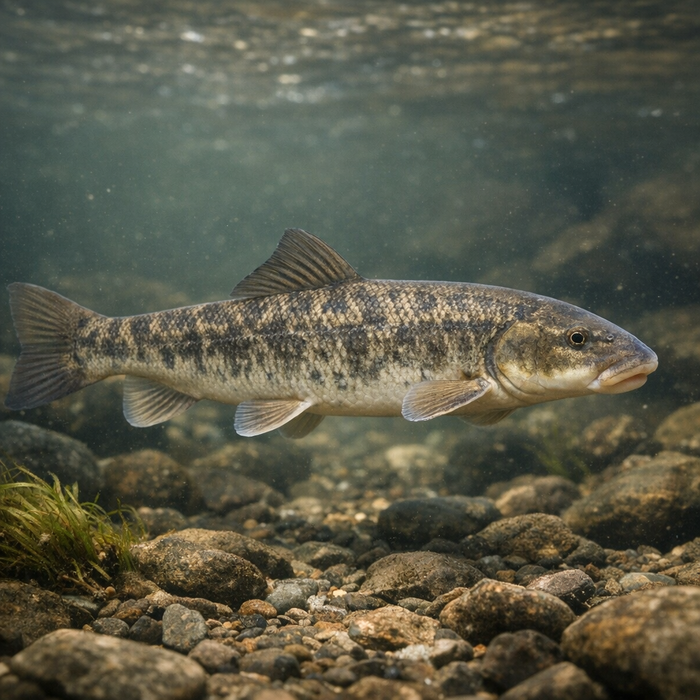
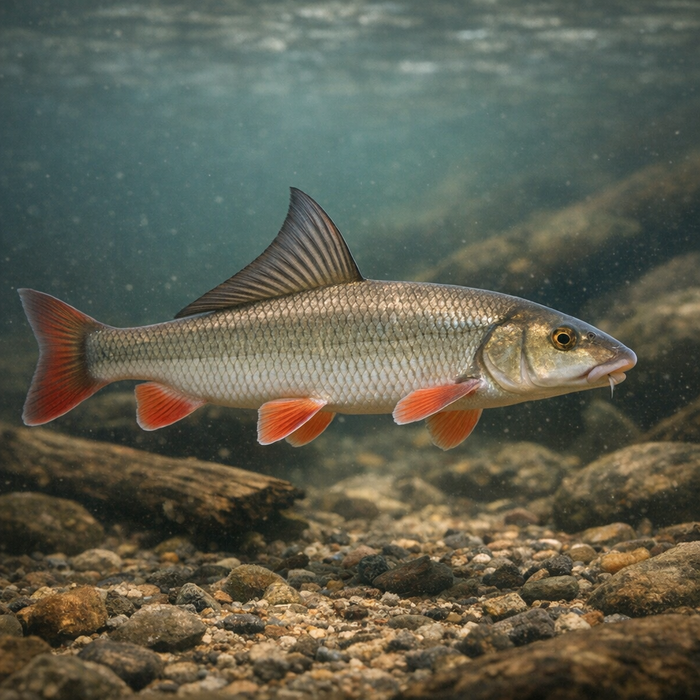
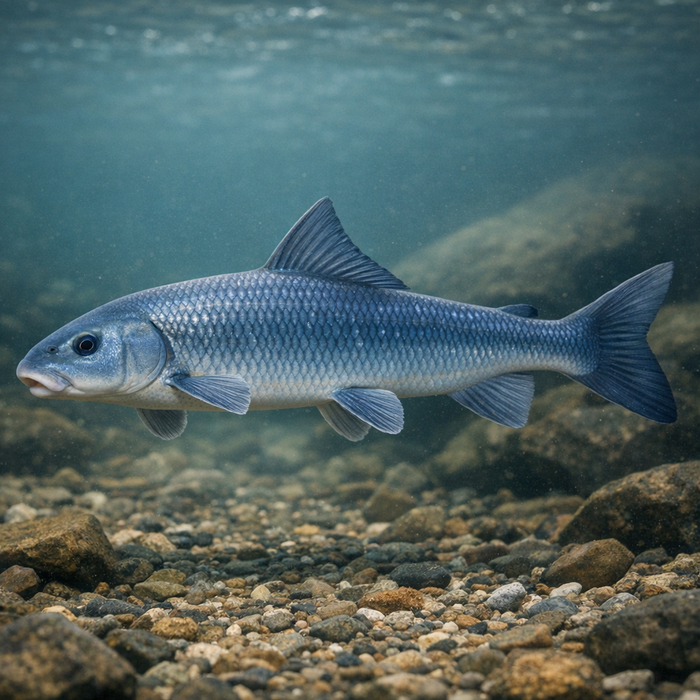
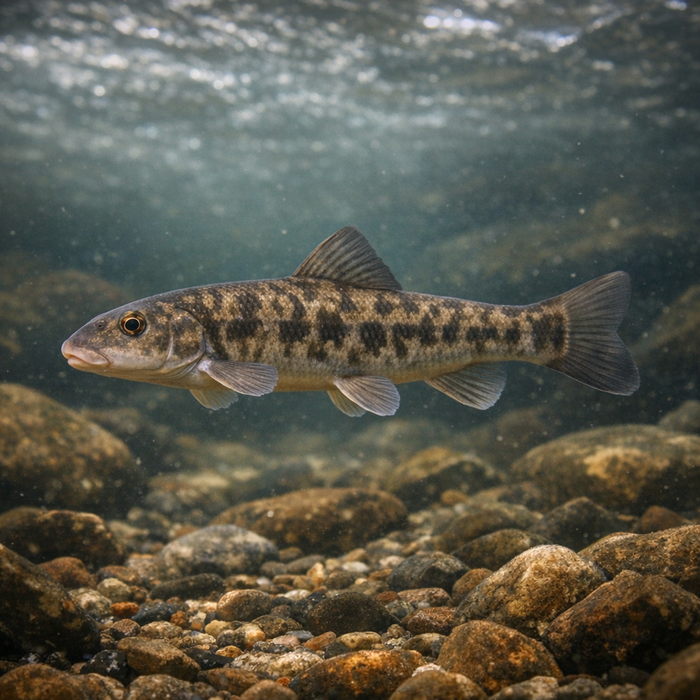
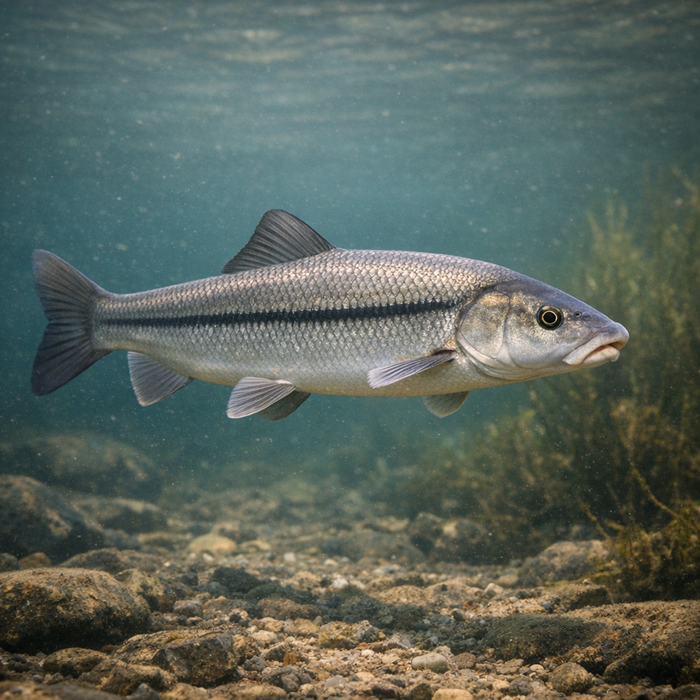
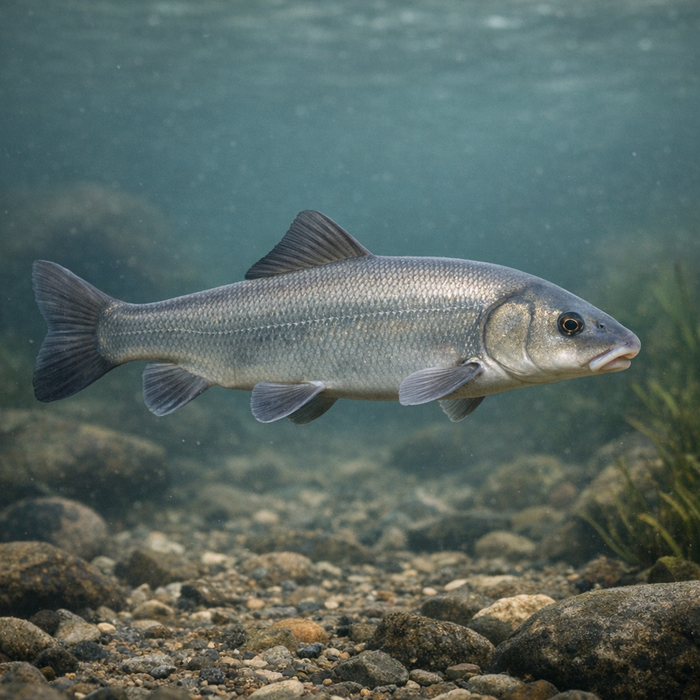
Santa Ana sucker (Catostomus santaanae): The tough little native that outlived the concrete.IntroductionThe Santa Ana sucker is the scrappy survivor of Southern California's urban river story. While lawns, freeways, and flood-control channels took over its world, this small-bodied native fish quietly hung on in riffles and runs most people speed past. For anglers, it's not a grip-and-grin target; it's a rare sighting that says a river still has a pulse. If you want real Santa Ana sucker facts and a window into the Santa Ana sucker habitat, read on.What Makes the Santa Ana sucker Unique?Start with the mouth. The Santa Ana sucker's plicate, vacuum-nozzle lips are custom gear for rasping algae and micro-inverts off cobbles without lifting off bottom in fast current. That's precision design. Then there's its urban grit. Few native fishes have endured SoCal's concrete-lined channels and flashy storm pulses like this one. It's also pint-sized; most adults run 5 to 9 inches, which keeps it off trophy lists but squarely in the native-heritage hall of fame.Habitat & Global RangeThere's nothing global about this fish. The Santa Ana sucker is a Southern California endemic, tied to the Los Angeles, San Gabriel, and Santa Ana River systems and a handful of tributaries. Its happy place is shallow, rocky riffles and adjacent runs, often only knee-deep, where clean gravel and brisk flow keep oxygen high and algae production steady. After winter-spring flows rearrange the riverbed, suckers recolonize new riffle patches fast, drifting as larvae and moving locally as flows stabilize. In a region famous for drought-flood whiplash, this fish has the playbook memorized.Behavior & TemperamentThis isn't a brawler. The Santa Ana sucker feeds nose-down, methodically vacuuming biofilm and picking tiny invertebrates. It forms loose aggregations, especially around prime riffles, and gets skittish in skinny water. Activity spikes when currents push food downstream, and after fresh flow pulses that scrub the rocks. Spawning happens in bursts, with small groups piling onto clean gravel when conditions pop. Quick to bolt, slow to return, they demand quiet feet and careful approaches from anyone poking around the shallows.Ecological ImportanceCall it a bioindicator with fins. Where the Santa Ana sucker persists, you usually have flowing water, functional riffle habitat, and at least some break from chronic sediment and pollutant loads. By scraping algae and sifting invertebrates, it helps keep the benthic buffet balanced, feeding birds, bigger fish, and the entire food web. In rivers drowning in invasive species, this native reminds you what the system once produced naturally.Conservation & Environmental PressuresDespite its toughness, the Santa Ana sucker is federally listed as threatened, and many waters prohibit take. The pressure list reads like a SoCal river résumé: channelization, dams that flatten flow pulses, sediment slugs from wildfire and development, and a rogues' gallery of non-native fish. Add warm, low, and intermittent flows and you've got a habitat gauntlet. Recovery depends on protecting riffle habitat, keeping enough water moving, and dialing back watershed abuse. If you see one, you're looking at a survivor, not a target.The FishyAF TakeThe Santa Ana sucker won't peel drag or break the internet. It's a humble, local legend that says more about river health than personal records. Respect it, fish around it, and celebrate that it's still punching in the heart of one of the world's most paved-over watersheds. When you can spot a Santa Ana sucker under a freeway overpass, that's not just a fish; that's hope with fins.