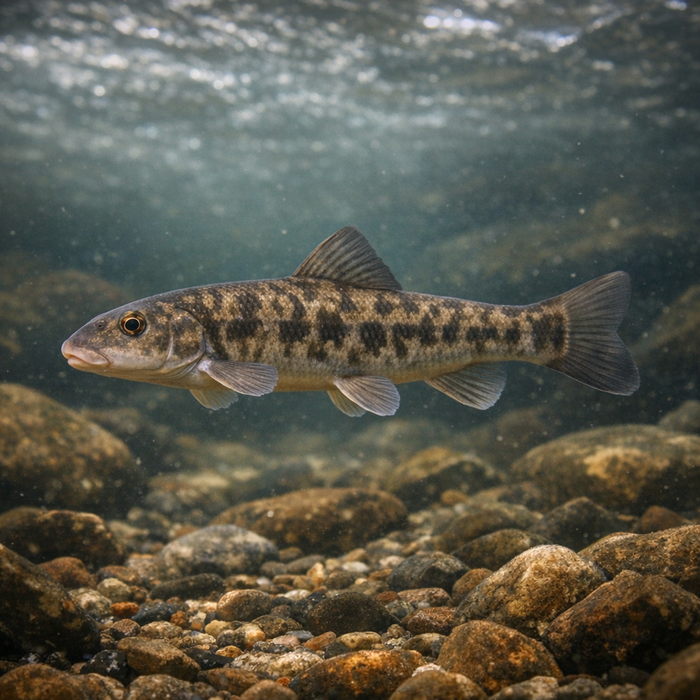
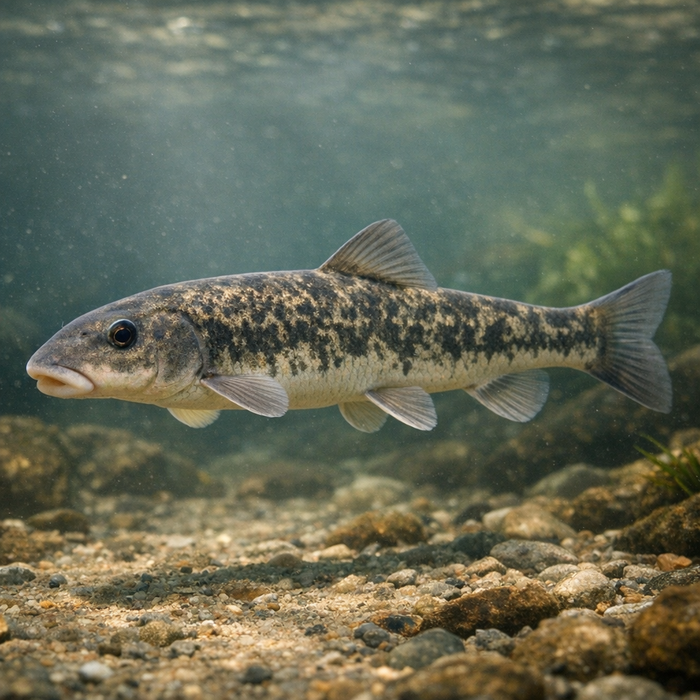
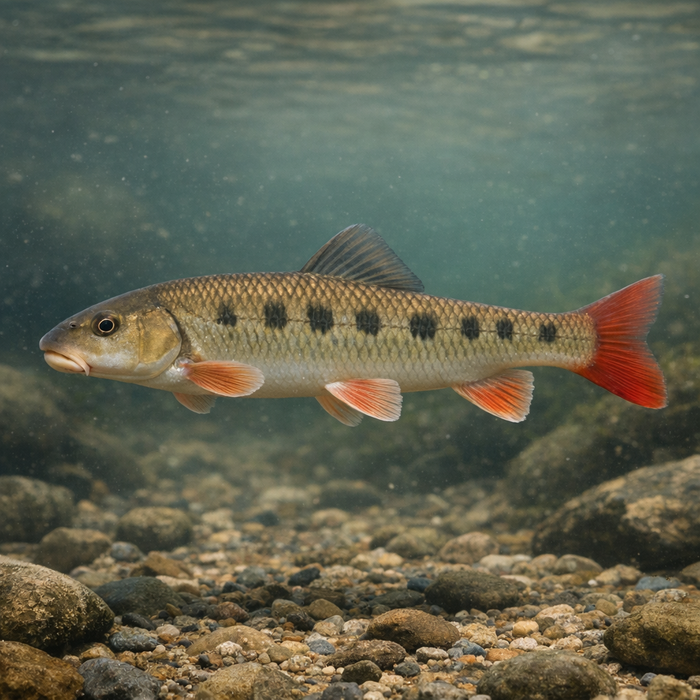
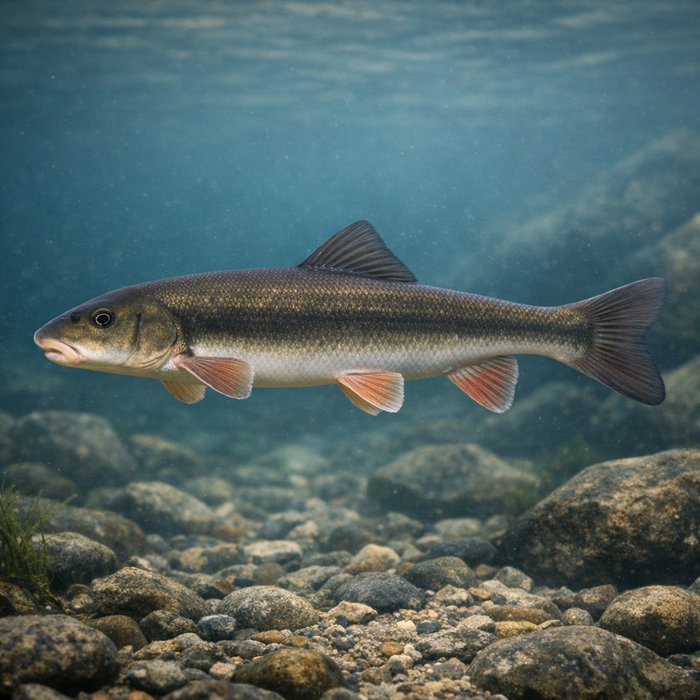
Jenny Creek Sucker (Catostomus rimiculus): Creek-born, rock-scraping, current-loving underdogIntroductionThe Jenny Creek Sucker is the stream kid that never left home. It doesn't chase headlines or fill coolers, but if you like sneaky drifts, clean water, and fish that demand finesse, this little sucker will make you earn it. Tight pools, knee-deep riffles, and cobble bottoms are its stage. Slide in quiet, drift something small, and you'll discover why locals whisper about Jenny Creek Sucker finesse when braggy river talk gets old. If you're here for Jenny creek sucker facts or scouting Jenny creek sucker habitat, settle in.What Makes the Jenny creek sucker Unique?First, the scales. This is the smallscale branch of Catostomus, and it wears that name honestly. Tiny scales give it a sleek, fine-grit look compared to big-scaled cousins. Second, the mouth: thick, flexible lips and a downturned, vacuum-seal snout built to sift gravel like a shop vac. It doesn't just eat; it filters, separating edibles from grit with ridiculous efficiency. Third, the Jenny Creek story itself. Natural barriers and waterfalls have semi-isolated these fish, shaping a local flavor of smallscale sucker that's part creek myth, part legitimate biological oddball.Habitat & Global RangeForget sprawling lakes. The Jenny Creek Sucker keys on cool, clear headwater streams with a run-riffle-pool rhythm. It prefers rocky bottoms, stable flows, and oxygen-rich water. You'll run into it in southern Oregon and far northern California waters tied to the Klamath and Rogue country, with Jenny Creek serving as the poster child. These fish nip through moderate current, hold behind micro-boulders, and sidle into shadow lines the way trout do, just with sucker swagger. Seasonal pulses matter. Spring rains and rising temperatures turn on movement into gravel riffles. By late summer, low water concentrates fish in deeper plunge pools and shaded slots.Behavior & TemperamentThe Jenny Creek Sucker is not aggressive in the bass sense. It's deliberate, precise, and glued to the bottom. Think subtle take, not smash bite. They'll tip forward, tail quivering, rasping biofilm and tiny invertebrates off stone. Males grow rough breeding tubercles during the spawn, shoulder-checking rivals on prime gravel patches. Larvae drift at night to quiet backwaters before joining the main flow as they gain strength. Hook one and expect a short, stubborn tug-of-war, then a quick pinwheel toward the bottom. They're not sprinters; they're current tacticians.Ecological ImportanceThis fish is a benthic engineer. By grazing and sifting, the Jenny Creek Sucker keeps cobble surfaces clean and nutrient cycles ticking. It's not flashy, but it's foundational. It also doubles as a reality check for stream health. When sediment smothers gravel or summer flows disappear, sucker numbers are first to nosedive. Trout anglers might overlook them, but if you care about the whole creek, you want these vacuum-lipped janitors thriving.Conservation & Environmental PressuresThe broader Catostomus rimiculus picture is relatively stable, but creek-specific forms like the Jenny Creek Sucker feel every small insult. Low summer flows, sediment from road cuts, poorly timed diversions, and barrier culverts chip away at spawning access. The good news: clean headwater protection and barrier removals pay instant dividends. The bad news: one sloppy project can park silt on the very gravel beds these fish need. If you're building your Jenny creek sucker facts list, write this in bold: flow and gravel quality are life and death here.The FishyAF TakeThe Jenny Creek Sucker is a humility machine wrapped in bronze scales. You don't go chase it for grip-and-grin glory. You go because creeping along a cold, rock garden with a short line and a micro offering is its own religion. When the drift is perfect, the take is almost imaginary: a pause, a weight, a nod of the rod tip. That's the moment. Respect the fish, keep them wet, and brag about your drift, not your measurement. This isn't a numbers game; it's creek craft. As far as Jenny creek sucker habitat goes, protect every riffle like it's a vault. Because for this fish, it is.