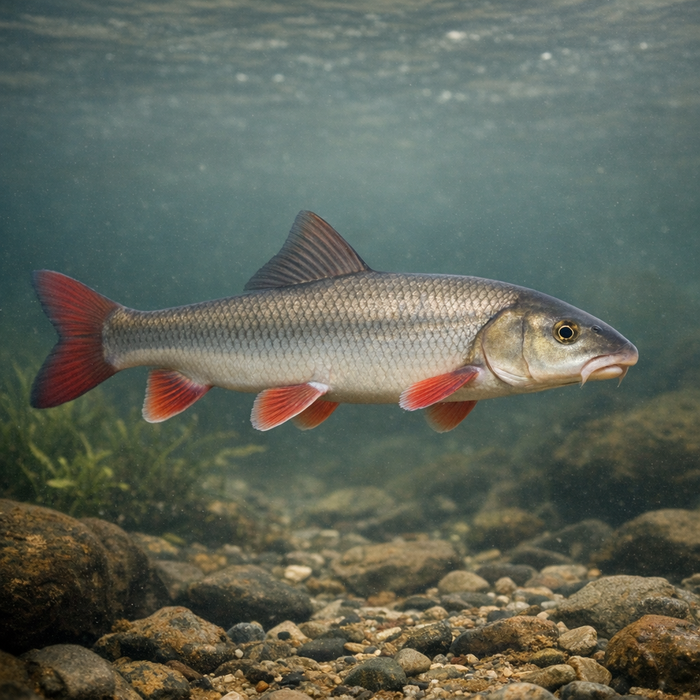
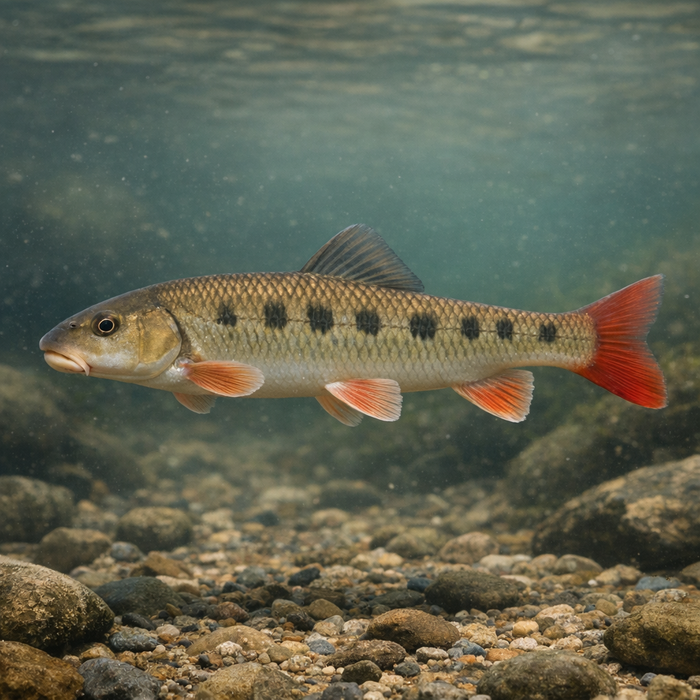
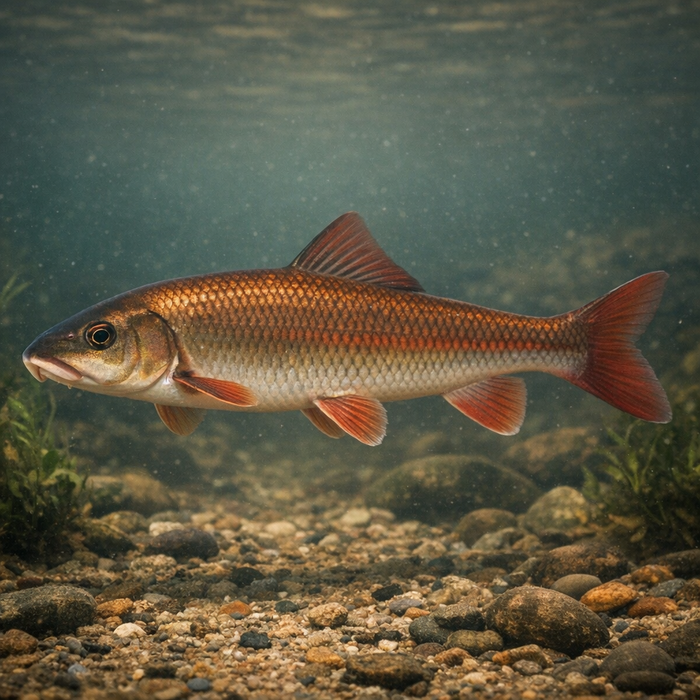
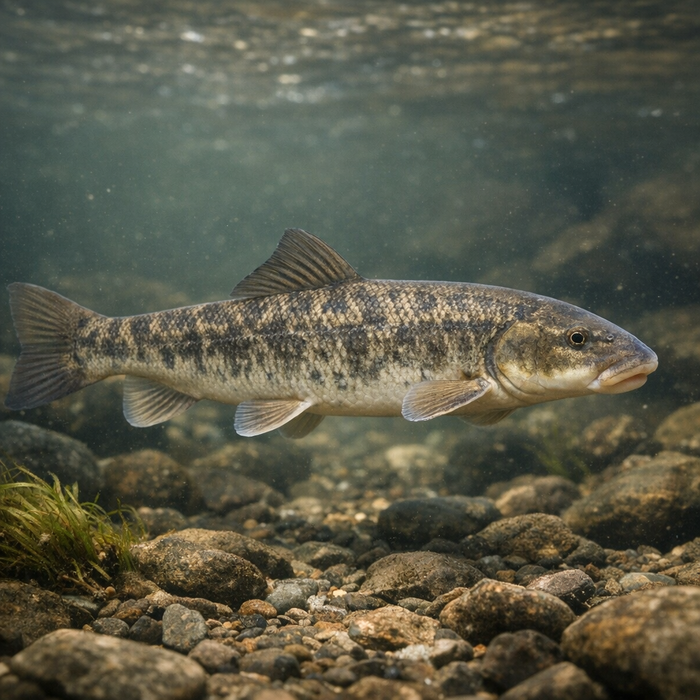
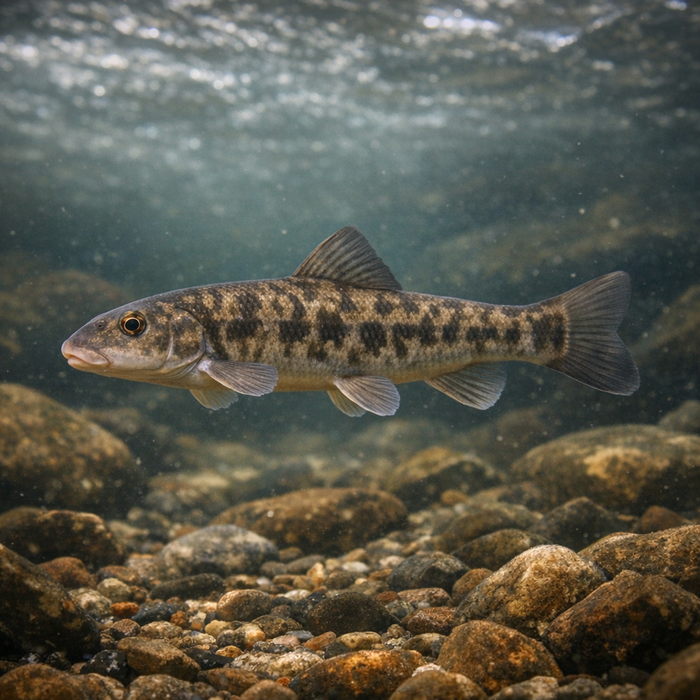
Rustyside Sucker (Thoburnia hamiltoni): Small Fish, Big PersonalityIntroductionThe rustyside sucker is the little native that punches above its weight. Not a glamor species, not a slab, and absolutely not a bass. But slide up to a fast, shallow riffle, look closely through polarized lenses, and you'll spot a bronze flash glued to the bottom, vacuuming life from gravel like it owns the lane. If you like wild fish, clear water, and earning every subtle take, the rustyside sucker will hook you. Consider this your quick hit of Rustyside sucker facts with enough detail to actually matter streamside.What Makes the Rustyside sucker Unique?First, those lips. Thick, papillose, and purpose-built for sifting insect larvae from cracks where lazy fish never shop. Second, breeding males wear a coppery rust stripe down each flank, a paint job that looks custom just for spring. Third, the whole package is compact and hydrodynamic, a riffle specialist that locks onto pocket water most fish avoid. It's a specialist's specialist, and it shows.Habitat & Global RangeCall this the riffle accountant: it lives where the numbers add up to flow plus clean gravel. We're talking small to medium streams with steady current, rock substrate, and low silt. If you're researching Rustyside sucker habitat, think boulder gardens, cobble, and the skinny-water seams right above pools. The species has a tight footprint in the eastern United States, mostly confined to specific drainages. That limited range is part of the appeal and the challenge. Find the right water quality and substrate, and you're halfway there.Behavior & TemperamentThe rustyside sucker isn't aggressive; it's methodical. It feeds nose-down, tail-kicking just enough to hold station, sifting pebbles and rejecting sand like a living sluice. Spawning fires up in late spring as flows stabilize and temps sit in that comfortable cool zone. Fish slide into faster chutes, and colors on the males glow like a fresh penny. Spook factor is real: they don't bolt like trout, they simply vanish into the stones and reappear two yards upstream. Hook a good one on light line and you'll feel a stubborn, thrumming bulldog routine with short dashes and head shakes.Ecological ImportanceThis is a canary-in-the-current fish. Rustyside suckers need clean, oxygenated flow and stable gravel. That makes them excellent indicators of stream health. They convert benthic invertebrates into fish biomass, move nutrients around the streambed, and provide prey for bigger predators and birds. Take them out of the picture and your riffle gets quieter, poorer, and a lot less interesting. Protecting them means protecting the whole small-stream community.Conservation & Environmental PressuresThe species isn't headlining federal lists, but it absolutely feels pressure. Siltation from development, poorly managed stormwater, and sloppy road crossings gums up the cobble they rely on. Low flows concentrate heat and kill oxygen. Even casual bait collecting can whack small, isolated populations if folks aren't careful. While labels and statuses shift over time, the big idea doesn't: if the riffles stay clean, the rustyside sucker does fine. If not, it's gone before most people ever knew it lived there.The FishyAF TakeIf you need a ten-pounder to smile, keep walking. But if you appreciate wild natives doing exactly what evolution asked of them, the rustyside sucker is a gem. It rewards stealth, precise drifts, and a respect for current. It's also the ultimate streamkeeper fish; protecting its riffles protects everything else. Want one? Shrink your ego, shrink your hooks, and fish like you're trying not to be seen. That's the move. And when that bronze stripe slides over a perfectly drifted nymph, you'll wonder why you ever thought "little" meant "less."