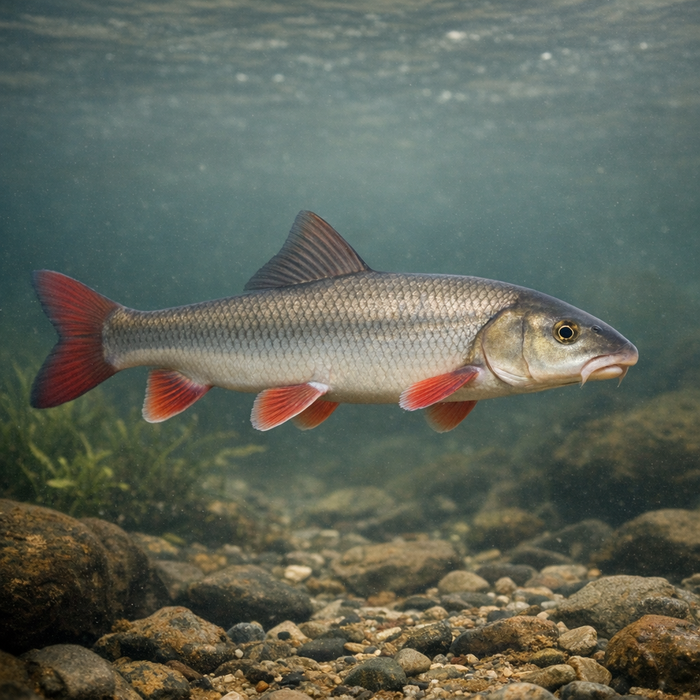
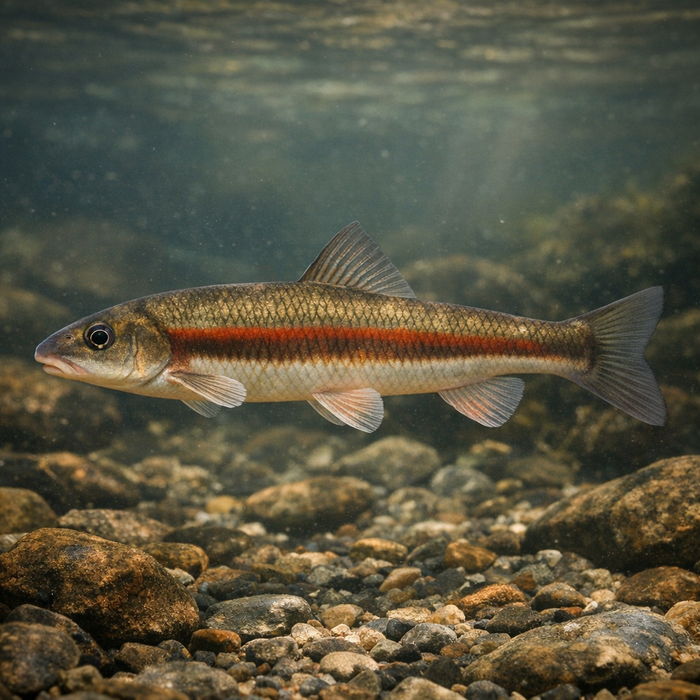
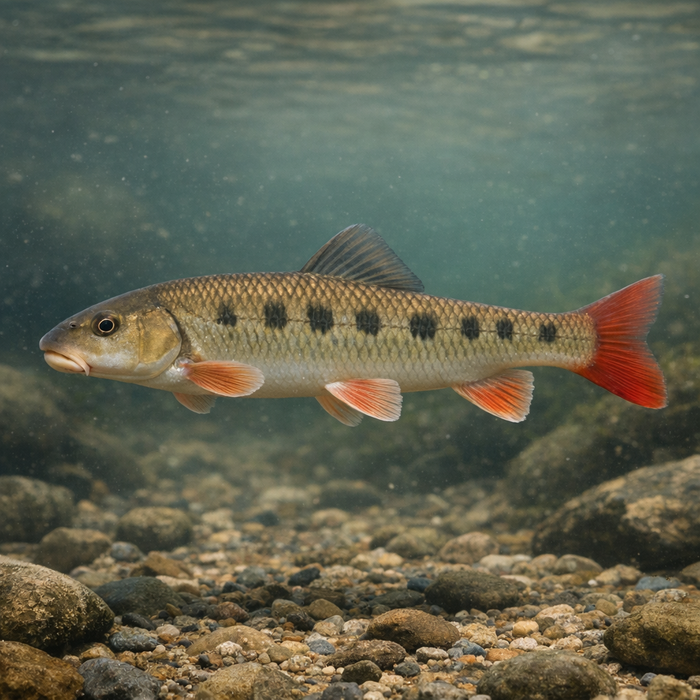
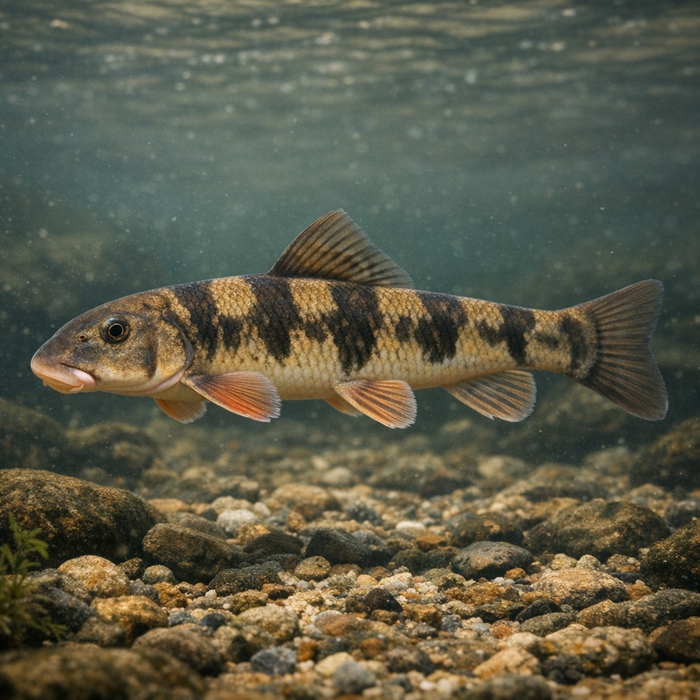
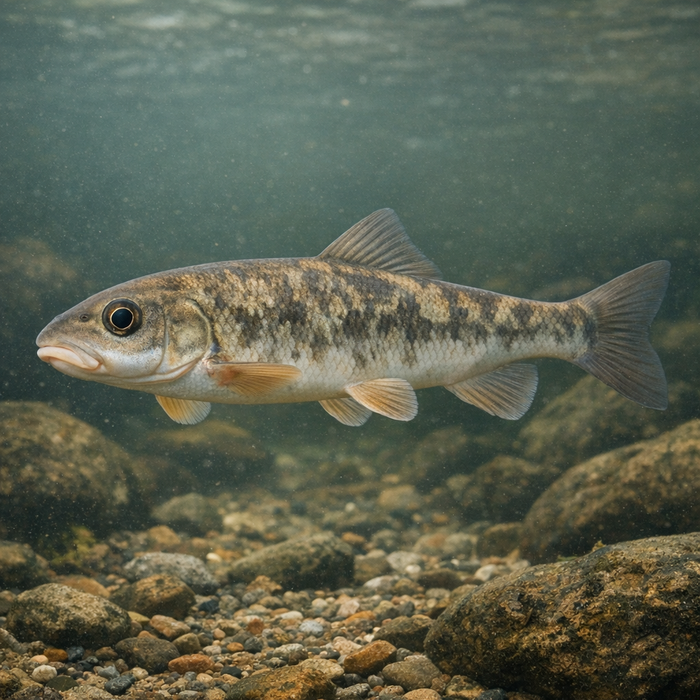
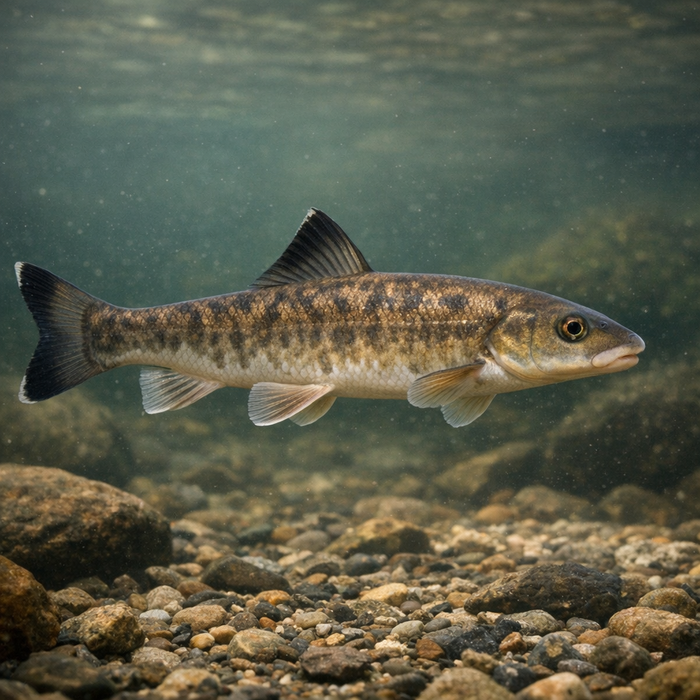
V-Lip Redhorse (Moxostoma pappillosum): A riffle-rocket with a vacuum-seal lip and a brassy spring glow.IntroductionThe V-lip redhorse is the slick, underrated sucker that sneaks past bass heads and still leaves savvy anglers grinning. It's built for current, tuned for clean gravel, and armed with a weirdly perfect mouth that locks onto rock like a gasket. If you want something different than the usual cast-and-crank routine, this fish delivers subtle takes, clean-water hunts, and a satisfying dose of southern river culture. Consider these V-lip redhorse facts your shortcut to appreciating a seriously cool native.What Makes the V-lip redhorse Unique?Start with the namesake: a sharply V-shaped lower lip lined with fine papillae. That lip isn't just a look; it's a tool, sealing to substrate so the fish can hoover up insect larvae and scrape biofilm without wasting energy in fast water. During spring, males roughen up with breeding tubercles and turn brassy with a red tail that pops in the sun. Compared with other redhorse, the V-lip's mouth shape is a dead giveaway, and it's a gift to anglers trying to ID fish from photos.Habitat & Global RangeThink clear, moderate-to-swift rivers with gravel and cobble runs. This species favors the Piedmont and Sandhills drainages of the Southeast, especially North and South Carolina systems. If you're scouting V-lip redhorse habitat, look for riffles that lead into thigh-deep runs, with light silt and plenty of dissolved oxygen. Pools adjacent to shoals become staging areas before and after spring spawning. They'll tolerate reservoirs and low-head impoundments, but they shine in river reaches where you can hear the water working.Behavior & TemperamentThe V-lip redhorse is no brawler, but it's not lazy. It holds tight to bottom seams, tips down like a bonefish on a flat, and offers soft, confidence-sapping takes. Hook one and expect a clean, determined surge rather than fireworks. These fish make short seasonal migrations, sliding upstream toward the first major shoals as water warms. They're classic bottom feeders with almost zero surface game. Presentation rules the day; drift something natural through their lane and don't expect mercy if you get it wrong.Ecological ImportanceCall it the river's janitor with table manners. By vacuuming insect larvae and scraping biofilm, V-lip redhorse keep substrates clean, push nutrients through the system, and support predators up the chain. Their need for clean gravel makes them excellent stream-health barometers. If they're thick in a riffle, odds are you're standing in a functioning river.Conservation & Environmental PressuresThe big enemy is silt. Smothered gravel kills eggs and ruins the buffet. Add in low-head dams that block seasonal movements and you've got trouble. Fortunately, many populations remain stable where flows are natural and sediments stay in check. Local management tends to classify them as nongame fish, but take that as a reminder to treat them gently. A photo, a quick scale read, and a smooth release go a long way.The FishyAF TakeThe V-lip redhorse is a blue-collar prize that rewards precision. It won't smash a spinnerbait or tail-walk for your GoPro. Instead, it demands quiet feet, smart drifts, and respect for current. Nail that, and you'll find a fish with style: brassy sides, red tail, and a mouth that could win an engineering award. If you're bored of the usual suspects, a half day on riffles chasing this sucker will change your definition of fun. Consider it the gateway drug to rough fish, with enough challenge to keep you honest and enough personality to keep you coming back for more. For anglers hunting V-lip redhorse facts or scouting new V-lip redhorse habitat, this is one native worth learning well.